

Anchor Ropes & Chains
Anchor ropes & chains are used to connect a boat’s anchor to the vessel, helping the anchoring setup work as intended. This category is for shoppers comparing the parts that influence how an anchor line behaves in use, including length, chain section and how the components are matched to the boat and anchoring style.
When browsing options, it is sensible to check the individual product details for suitability, compatibility and the intended type of boating. The right choice often depends on the anchor setup, the conditions you expect to face and how much handling convenience you want from the line and chain combination.
 Buyers guideAnchor Ropes & Chains Buyer GuideWhat to compare before you choose
Showing 1–12 of 39 results
-
Anchor Ropes & Chains
316 Stainless Steel Chain Snubber for 6-8 mm Chain or Rope
£15.91 View on Amazon -
Anchor Ropes & Chains
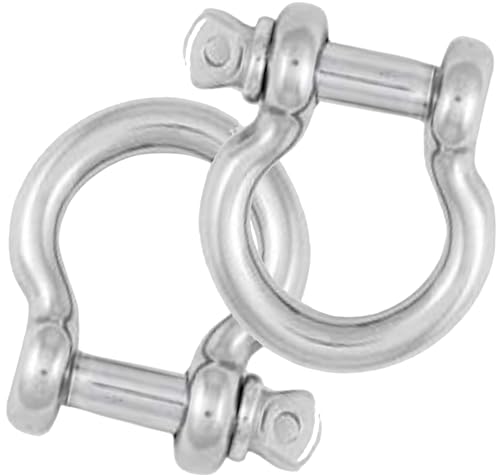
4 Piece Stainless Steel D Shackles Set M8, M10 and M12
Original price was: £8.99.£7.99Current price is: £7.99. View on Amazon -
Anchor Ropes & Chains
6mm D Shackle A4 316 Marine Grade Stainless Steel Pack of 4
£8.43 View on Amazon -
Anchor Ropes & Chains
Amig Stainless Steel S Hooks, Pack of 6, AISI 316
Original price was: £4.54.£2.67Current price is: £2.67. View on Amazon


Anchor ropes & chains cover the connecting parts used between an anchor and a boat. In practice, this category may include rope, chain, or a combination of the two, depending on the anchoring arrangement being considered. Visitors usually compare these listings to find a setup that suits their boat size, anchoring method and the way they prefer to deploy or recover the anchor.
What to compare in anchor ropes & chains
The most useful comparisons are often the length, the amount of chain and the general compatibility with the anchor setup. Chain can help with abrasion resistance and may affect how the anchor sits, while rope can make handling easier and reduce overall weight. A combined rope-and-chain setup is common in many boating applications, but the right balance depends on the individual product and how it is intended to be used.
It is also worth checking how the rope and chain are joined, because the connection point needs to suit the rest of the anchoring system. Some buyers may prefer a simpler arrangement for easier stowage, while others may want a more substantial setup for regular anchoring. The product page should always be checked for any guidance on recommended use and compatibility.
Choosing the right setup for your boat
The best match for a particular boat depends on practical factors rather than a single universal rule. Consider the size and type of vessel, the style of anchoring you use, and whether the line will be handled frequently. If space is limited, ease of storage may matter as much as strength or length. If the anchoring point is likely to experience more wear, the chain section may be an important detail to review.
Because anchor ropes & chains can be listed in different formats, it helps to compare the product description carefully rather than assuming all options work the same way. Checking the individual listing is the safest way to confirm suitability, especially where the anchoring arrangement must match other boat hardware.
Browse with the full anchoring system in mind
This category sits within boat hardware, so it is usually best viewed alongside the anchor itself and the other fittings that support safe, practical use. Comparing the available options with the wider setup in mind can make it easier to choose a rope-and-chain combination that feels manageable on board and appropriate for the way you boat.
Plan for the anchoring conditions
When estimating the length of rode needed, account for the depth where you expect to anchor, the distance from the waterline to the point where the line leaves the boat, and changes in water level. The length available can affect how the anchor is deployed, so consider the range of conditions and locations relevant to your boating rather than choosing by boat size alone. Follow the guidance for your vessel and anchoring equipment, and allow for safe operation in the conditions expected.
For setups using a windlass or other handling equipment, check that the rope, chain and connecting hardware are compatible with that equipment; chain dimensions and rope construction can matter. Also consider how the line will be stowed and inspected, and look for wear or damage before use. If any part of the arrangement is uncertain, seek advice from the equipment manufacturer or a suitably qualified marine professional.