Camp Shelters
Camp shelters are a practical way to create extra covered space at the campsite, whether you want a simple area for cooking, a place to sit out of the weather, or a larger shelter for shared use. This category covers different shelter styles, so it helps to compare size, coverage and how each design is intended to be used.
When browsing camp shelters, check how much shelter you need, how easy the setup is, and whether the design suits solo trips, family camping or group use. It is also worth reviewing how well the shelter fits your campsite layout and the type of conditions you expect.
-
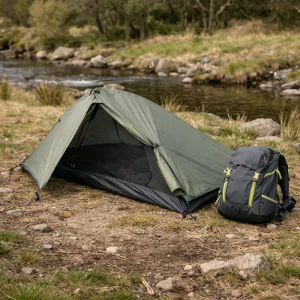
Backpacking Shelters101 Products
-
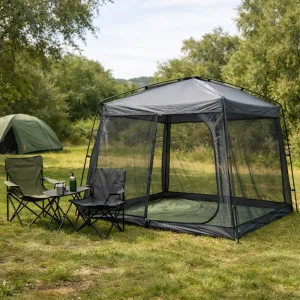
Bug Shelters88 Products
-
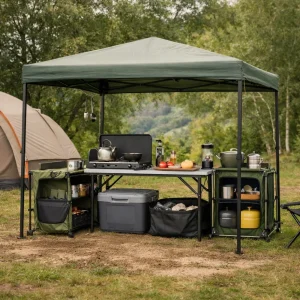
Camp Kitchen Shelters25 Products
-
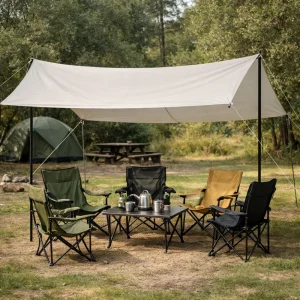
Group Shelters44 Products
-
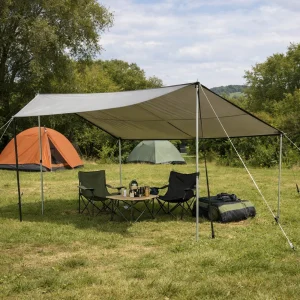
Open-Air Shelters55 Products
-
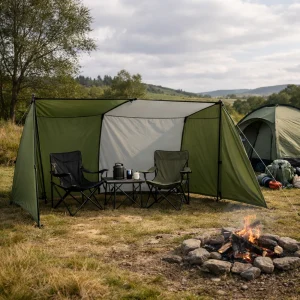
Wind Shelters107 Products
Camp shelters are designed to add useful covered space around a campsite without being a full tent. They can help create a dry or shaded area for cooking, relaxing, storing kit or gathering as a group, depending on the style you choose. This category brings together several shelter types, so the main job is to compare the shape, coverage and intended use of each option rather than expecting every shelter to serve the same purpose.
Choosing the right type of camp shelter
The right shelter often depends on how you camp. Some designs are more suited to lightweight travel, while others are better for creating a shared communal area. If you are comparing backpacking shelters, for example, portability and compact packing may matter more than maximum living space. By contrast, group shelters are generally chosen when several people need cover together.
Other subcategories reflect different needs. Camp kitchen shelters are aimed at sheltered food prep areas, while bug shelters focus on helping reduce insect exposure. Wind shelters and open-air shelters are often used when you want some protection while still keeping the space open and easy to access.
What to compare on individual listings
Because camp shelters are used in different ways, it makes sense to check the individual product details carefully. Look at coverage area, setup style, packed size and whether the shelter suits the number of people or the kind of campsite use you have in mind. If the product page gives guidance on stability, ventilation or compatibility with accessories, that can also help you narrow down the most suitable option.
For many buyers, the best choice is the shelter that balances convenience with the amount of usable space needed on site. Comparing the listings by intended use is usually the most useful way to shop this category.
Plan the shelter’s position
Before setting up, consider how the shelter will fit around tents, paths and shared campsite space. Check the site’s rules, allow room to move in and out, and follow the shelter’s setup instructions. For a camp kitchen shelter, use cooking equipment only as directed by its manufacturer, keep it safely clear of shelter fabric and never assume a shelter is suitable for use with a flame.