Hot Tents
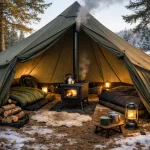
Hot tents are camping tents designed to work with a compatible stove setup, making them a popular choice for colder-weather camping and longer stays in camp. They are usually compared on size, stove compatibility, ventilation and how easy they are to pitch and live in.
When browsing hot tents, check the individual product details carefully so you can compare space, material description, seasonal suitability and any safety guidance from the retailer. The right choice often depends on how many people will use it and how much comfort you want around camp.
 Buyers guideHot Tents Buyer GuideWhat to compare before you choose
Showing 1–12 of 94 results
-
Hot Tents
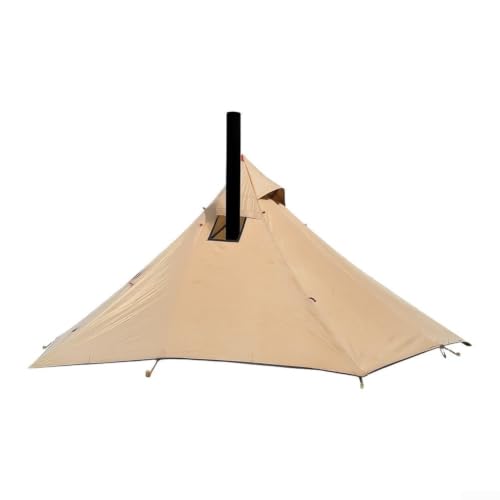
4 Season Air Tent Glamping Tent with Separate Living and Sleeping Area
£1,052.59 View on Amazon -
Hot Tents
Aoxun G15022-12PBR8D-K-DE 5 x 5 m Yurt Hot Tent with Stove Jack
Original price was: £349.99.£282.62Current price is: £282.62. View on Amazon -
Hot Tents
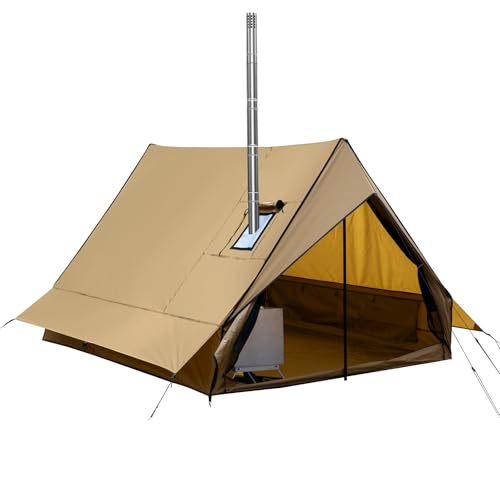
Canvas Hot Tent with Stove Jack, Poles and 1-2 Person Layout
Original price was: £144.99.£123.24Current price is: £123.24. View on Amazon





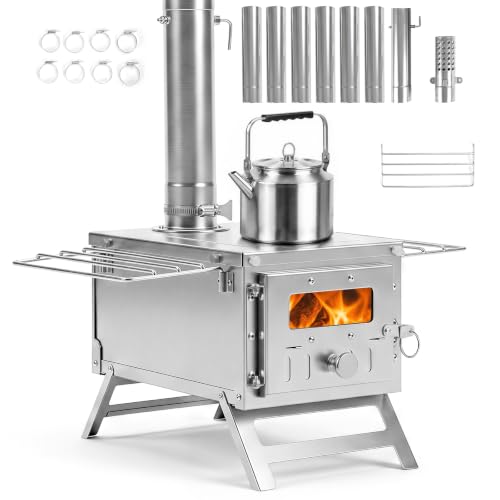

Hot tents are a specialist type of camping tent for people who want a warmer shelter in colder conditions. They are commonly used with a stove-compatible setup, so the key point is not just how much sleeping space a tent offers, but how well it suits that style of camping. This category is useful for anyone comparing shelters for extended trips, winter camps or more comfortable basecamp-style use.
What to compare in a hot tent
Start with the overall size and internal layout. Some hot tents focus on sleeping space, while others leave more room for kit, cooking or sitting inside. It is also worth checking the listed stove compatibility, chimney opening details and any safety information supplied on the product page. These points matter because stove use can affect how the tent is set up and where it can be used.
Ventilation is another practical factor. A tent intended for stove use still needs good airflow to help manage condensation and comfort. Look at the number and position of vents, doors and windows, and review the product description for guidance on how the tent is meant to be aired.
Materials, setup and seasonality
Hot tents can vary in material, pole arrangement and pitching style, so it is sensible to compare the construction details rather than assuming every product works the same way. Some designs may be better suited to long stays at camp, while others are chosen for easier transport or quicker pitching. If seasonality is mentioned, treat it as a useful clue and check the individual listing for the specific intended use.
It is also worth considering packed size and weight if the tent needs to be carried any distance. For some buyers, ease of pitching matters more than maximum interior space, especially if the tent will be used in variable weather or regular short trips.
Choosing the right option
Hot tents are a category where the practical details really matter, so compare each listing carefully. Think about how many people will use the shelter, whether you need extra living space, and whether the stove-related features match the way you camp. That approach makes it easier to choose a tent that fits your intended use without relying on broad assumptions.
Stove use and safety
A hot-tent label does not confirm that a stove is included or that every stove will work with every tent. Check the product details and the stove and tent instructions for compatibility, chimney routing and clearances. Set up the stove and flue as directed, keep combustible items away from hot surfaces, and maintain the ventilation specified by the manufacturers.
Burning fuel can produce carbon monoxide, which is dangerous and cannot be detected by smell. Use fuel-burning equipment only as its manufacturer permits, and follow its guidance on ventilation and operation. Check the instructions for any additional precautions, including whether the stove may be left burning while you sleep; do not assume a tent or stove is safe for a particular setup without that guidance.