Climbing Protection
Climbing Protection covers the gear climbers use to place or build protection points on natural rock or mixed terrain. If you are comparing options, it helps to think about the type of placement, the style of climbing, and how the item works with the rest of your rack.
Browse the category to compare passive and active protection, along with accessories such as slings, runners and nut tools. Check the individual product details for compatibility, intended use and any guidance that affects how the item is selected and used.
-
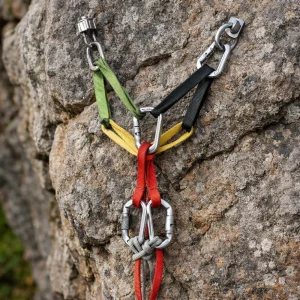
Anchor Systems69 Products
-
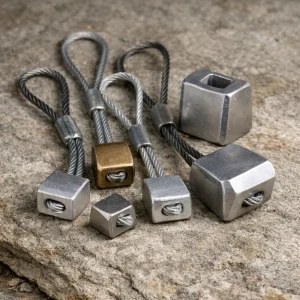
Climbing Nuts24 Products
-
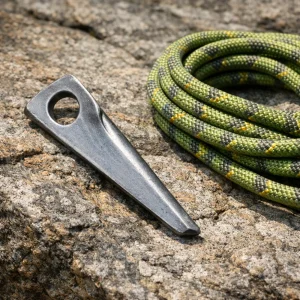
Climbing Pitons33 Products
-

Climbing Slings93 Products
-
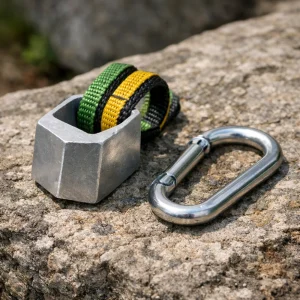
Hexes8 Products
-
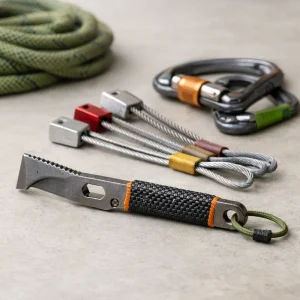
Nut Tools4 Products
-

Sewn Runners4 Products
-

Spring-Loaded Camming Devices45 Products
Climbing Protection is the part of a climbing rack used to create protection points in the rock rather than relying only on fixed anchors. It can include a mix of passive and active items, plus the accessories that help place, extend or remove them. The right choice depends on the style of climbing, the rock features available and how much versatility you need from your rack.
What this category includes
This category brings together equipment such as anchor systems, climbing nuts, pitons, slings, hexes, nut tools, sewn runners and spring-loaded camming devices. These products serve different jobs, so it is worth comparing them by intended use rather than assuming one type does everything. Some items are designed for quick placement in constrictions or cracks, while others are better for building anchors or extending placements to reduce rope drag.
Choosing the right type of protection
Passive protection, such as nuts, hexes and pitons, relies on the shape of the rock to hold in place. Active protection, such as spring-loaded camming devices, uses a mechanical action to fit more securely in a range of crack sizes. Slings and sewn runners are commonly used to extend placements or connect parts of an anchor, while nut tools help retrieve gear after use. When comparing listings, look at the intended placement style, size range where relevant, and how the item integrates with the rest of your climbing system.
Practical things to compare
It is also sensible to check ease of handling, how straightforward the gear is to place and remove, and whether the product description suits the type of climbing you have in mind. If you are building a rack from scratch, comparing several protection types can help you cover a wider range of crack shapes and anchor situations. For existing racks, you may be looking for specific additions rather than a complete set. Check the individual product page for product-specific details and any compatibility or usage guidance.
Use and safety considerations
Protection equipment is safety-critical, so it is sensible to read the retailer’s details carefully and follow all manufacturer instructions. Pay attention to the intended discipline, any usage limits and any notes about maintenance or inspection. For climbing and mountaineering purchases, the most useful choice is often the one that matches the terrain, your experience and the rest of your equipment, rather than the broadest possible specification.
Placement types and context
Pitons differ from removable nuts and hexes: they are generally driven into suitable cracks, and their use depends on the rock, the placement and the climbing context. They should not be treated as interchangeable with other passive protection. More broadly, a product’s category alone does not establish how it will perform in a particular placement; consider the manufacturer’s instructions and seek appropriate instruction for using protection equipment.