Mountaineering Crampons
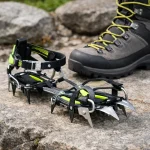
Mountaineering crampons are traction devices designed to add grip on snow and ice, helping you compare options for alpine routes, winter hill use and more technical climbs. The main things to check are the binding style, the intended boot compatibility and whether the crampon layout suits the terrain you plan to tackle.
When browsing the category, it is worth comparing the number and shape of the points, the adjustment method and any anti-balling features described on the individual listing. For the right fit and use, always review the product details carefully against your boots and intended activity.
 Buyers guideMountaineering Crampons Buyer GuideWhat to compare before you choose
Showing 1–12 of 78 results
-
Mountaineering Crampons
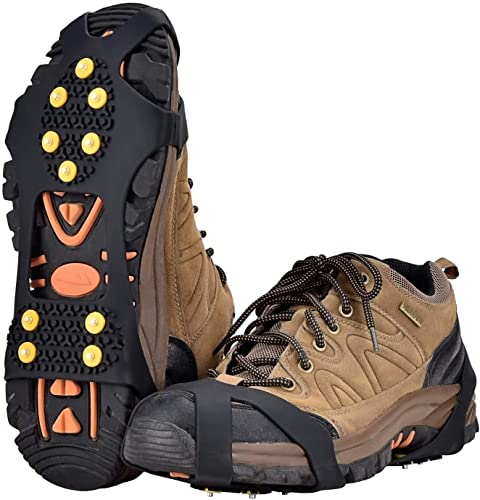
10-Stud Snow Traction Crampons for Footwear
Original price was: £6.99.£5.99Current price is: £5.99. View on Amazon -
Mountaineering Crampons
12 Teeth Ice Crampons Snow Traction Cleats for Shoes and Boots
£44.29 View on Amazon -
Mountaineering Crampons
24 Spike Stainless Steel Crampons for Hiking Boots and Shoes
£21.99 View on Amazon -
Mountaineering Crampons
28-Spike Stainless Steel Crampons for Shoes and Boots
Original price was: £17.90.£12.90Current price is: £12.90. View on Amazon -
Mountaineering Crampons
Abeillo XL Ice Cleats for Shoes and Boots with Stainless Steel Spikes
£5.99 View on Amazon -
Mountaineering Crampons
Adjustable 19-Spike Crampons for Hiking Boots with Carry Bag
Original price was: £18.90.£16.99Current price is: £16.99. View on Amazon -
Mountaineering Crampons
Aliglow Ice Snow Grips Over-Shoe Traction Cleats with Steel Studs
Original price was: £12.99.£7.16Current price is: £7.16. View on Amazon


Mountaineering crampons are an important part of alpine and winter climbing equipment, adding bite on hard snow, ice and mixed ground. Visitors browsing this category are usually looking to compare designs that suit different boots, routes and levels of technical use, so the most useful distinctions are often how the crampon attaches, how it fits and what sort of terrain it is intended for.
What to compare in mountaineering crampons
Start with boot compatibility. Different crampon bindings are intended for different boot types, so it is sensible to check the individual product details and make sure the attachment system matches your footwear. Fit matters as much as the points themselves, because a secure setup helps the crampon sit correctly while you move.
The arrangement of the points is another practical factor. Some crampons are shaped for general mountaineering, while others are more closely associated with steeper or more technical ground. The number, length and front-point style may influence how a crampon behaves on icy sections, traverses or mixed terrain, but the right choice depends on the route and the boots being used.
Fit, adjustment and stability
Adjustment is worth checking carefully when comparing listings. Look for a system that can be set accurately to the boot size and then locked in place securely. A good fit helps reduce movement underfoot and makes the crampon easier to trust on changing surfaces.
It is also useful to look at any anti-balling features mentioned by the retailer. In winter conditions, snow can sometimes build up underfoot, so designs that help reduce clogging may be preferable for certain conditions. The exact usefulness of these features depends on the snow and the route, so it is always worth checking the product description rather than assuming every model performs the same way.
Choosing the right style for the route
Mountaineering crampons are not all aimed at the same level of use. Some are more general-purpose, while others are designed for more committed alpine objectives. If you are comparing products for a specific outing, think about the balance between walking comfort, precision and security on steeper ground. For that reason, it can help to review the full listing alongside any related accessories and matching gear.
Because crampons are used in demanding conditions, it is sensible to check mounting instructions, sizing notes and any compatibility guidance before choosing. That way, you can compare the available options with a clearer idea of which design is most suitable for your boots and your intended mountaineering use.