Bicycle Bearings
Bicycle bearings are the small parts that help rotating bike components turn smoothly, so this category is useful when you are replacing worn bearings or comparing bearing types for a specific repair. Visitors may be looking for bearings for hubs, bottom brackets or other bike parts, depending on the setup.
When comparing options, check the size, bearing type and compatibility with the component you are servicing. It is also worth reviewing the individual product details for fit and any maintenance notes, as bearing requirements can vary between bikes and parts.
 Buyers guideBicycle Bearings Buyer GuideWhat to compare before you choose
Showing 1–12 of 96 results
-
Bicycle Bearings
1-1/8 Bike Headset MTB Threadless 44 mm Black Straight Tapered Tube
Original price was: £14.99.£12.74Current price is: £12.74. View on Amazon -
Bicycle Bearings
10 Pack 1 1/8 Precision Headset Caged Ball Bearings, 16 Ball
Original price was: £5.68.£5.29Current price is: £5.29. View on Amazon -
Bicycle Bearings
10-Piece 1-1/8″ Caged Headset Bearing Set for MTB and Road Bikes
£4.60 View on Amazon -
Bicycle Bearings
2PCS Bike Headset Bearings for FSA Orbit 1.5 ZS Headset No.57
£11.19 View on Amazon -
Bicycle Bearings
37 mm Bicycle Headset Bearing Cage with 16 x 4 mm Steel Balls
Original price was: £4.49.£3.99Current price is: £3.99. View on Amazon -
Bicycle Bearings
4-Pack 40 mm Caged Ball Bearing Set for Bicycle Headset
Original price was: £10.40.£4.21Current price is: £4.21. View on Amazon -
Bicycle Bearings
600 Piece Stainless Steel Precision Ball Bearing Assortment Kit, 13 Sizes
£8.99 View on Amazon -
Bicycle Bearings
600-Piece Stainless Steel Ball Bearing Assortment Kit, 2-10 mm
Original price was: £9.99.£8.49Current price is: £8.49. View on Amazon -
Bicycle Bearings
805 Piece Stainless Steel Precision Bearing Balls Assortment Kit, 2-10 mm
£6.99 View on Amazon
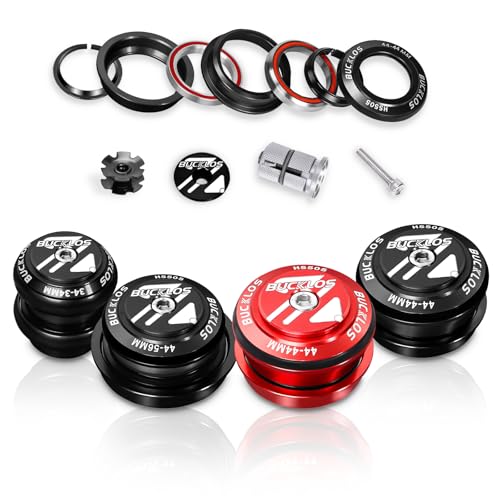


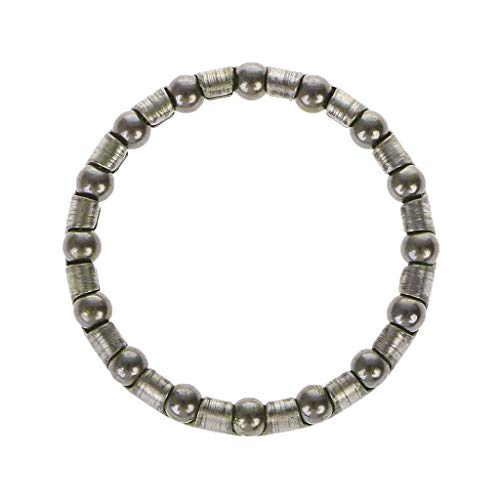


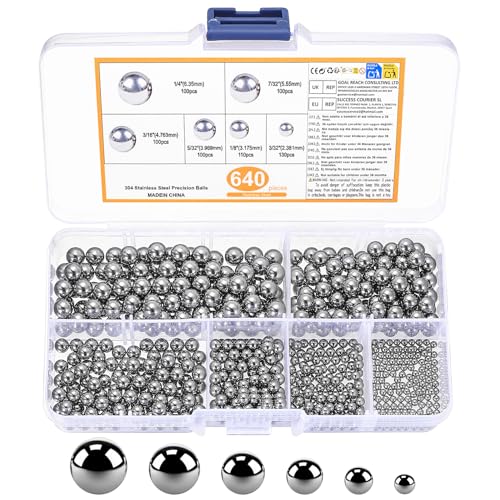

Bicycle bearings are an important part of many rotating bike components, helping them move with less friction. In this category, you can browse bearings intended for bicycle use and compare the options needed for repair, replacement or general maintenance. The right choice usually depends on the part being serviced, so it is sensible to confirm exactly where the bearing will be fitted before selecting a product.
What to compare when choosing bicycle bearings
Bearings may look similar at first glance, but the useful details are often in the product listing rather than the category name. Check the stated size and the type of bearing required for your component, along with any compatibility information provided by the retailer. If you are replacing a worn part, matching the existing bearing as closely as possible is often the safest approach.
It is also worth considering whether the bearing is being bought for routine maintenance or a specific repair. Different bike parts place different demands on bearings, so a listing that works for one application may not suit another. Always review the individual product page for the exact fit and any guidance supplied by the seller.
Matching the bearing to the bike part
This category can cover bearings used in several areas of a bicycle, including hubs and other rotating assemblies. Because requirements vary, the most helpful information is usually the component name, the size and the mounting style. If you are unsure, compare the old part with the product details and check any measurements or reference codes shown on the listing.
For broader maintenance work, it can help to think about the condition of the surrounding component as well. A bearing replacement may be part of a larger repair, so compatibility with the hub, crank or other bike part matters as much as the bearing itself.
Practical checks before you buy
Bearings are small parts, but accuracy matters. Make sure you are comparing like with like, especially if the bike has a specific bearing arrangement or a less common part size. Look for clear product information on dimensions, fit and intended use, and follow any installation or servicing advice provided on the listing. That makes it easier to choose a suitable option and avoid unnecessary returns.
Recognising bearing and servicing formats
A replacement may be supplied as individual balls, a caged set or a complete bearing unit, so check what is included rather than relying on the word “bearing” alone. Some listings may instead be for servicing products such as grease. These can support maintenance but are not a replacement bearing; confirm that the item matches the repair you intend to carry out.