

Fly Tying Materials
Fly Tying Materials covers the essential supplies used to build custom fishing flies, from natural and synthetic dressing materials to items that help shape bodies, wings and legs. It is a useful category for anglers who want to match local conditions, copy proven patterns or experiment with their own variations.
When comparing products, think about how each material behaves on the hook, how easy it is to work with and which fly styles it suits best. Individual listings can also vary in texture, colour, size and intended use, so it is worth checking the details on each product page.
 Buyers guideFly Tying Materials Buyer GuideWhat to compare before you choose
Showing 1–12 of 54 results
-
Fly Tying Materials
11-Piece Fly Fishing Tying Tool Kit with Bobbin Finisher and Scissors
£29.92 Product info -
Fly Tying Materials
15 Piece Reflective Fishing Lure Sticker Sheets for Lure Making
£9.99 Product info -
Fly Tying Materials
15 Spools Tinsel Chenille Fly Tying Material, 10 m Each, Multiple Colours
£11.98 Product info -
Fly Tying Materials
2 Yard White Rooster Hackle Feather Fringe Trim, 4-6 Inch Width
£4.99 Product info -
Fly Tying Materials
850-piece Plastic Fishing Beads Box with Round and Oval Shapes
£9.39 Product info -
Fly Tying Materials
Black Fly Tying Thread 200D 100 Yard Spool
Original price was: £5.88.£5.18Current price is: £5.18. Product info -
Fly Tying Materials
Fish Eyes for Lures Assortment, 3-10 mm DIY Fly Tying Materials
£6.99 Product info


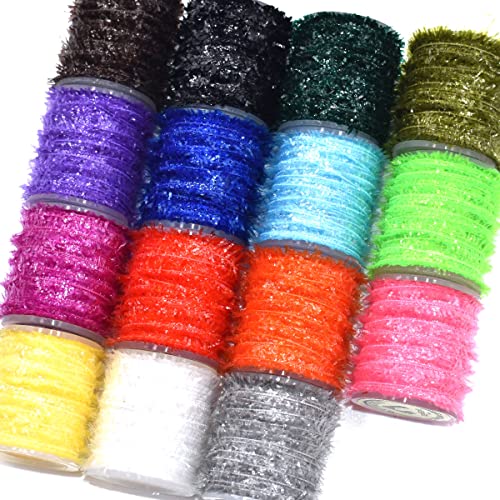


Fly Tying Materials brings together the supplies used to create artificial flies for fly fishing. This category is useful whether you are tying simple patterns for everyday use or refining more specific imitations. The broad range of materials in fly tying means shoppers may be looking for anything from body material and dubbing to feathers, fibres, tinsels and other dressing components.
What to compare in fly tying materials
Different materials suit different parts of a fly. Some are chosen for bulk and shape, while others are used for movement, shine or a more natural finish. When browsing the options, it helps to think about the style of fly you want to tie and how the material will sit on the hook once secured. A material that works well for one pattern may be less suitable for another.
Colour is often important too, especially when you are matching a particular style of fly or aiming for a more visible pattern. Texture and handling can also affect the tying process, particularly if you prefer materials that split, wrap or flare in a certain way. For that reason, it is sensible to check individual product descriptions rather than assuming all fly tying supplies behave in the same way.
Choosing materials for your tying style
Some anglers prefer natural-looking finishes, while others want materials that add flash, contrast or extra profile. Fly Tying Materials can support a wide variety of approaches, so the most useful choice usually depends on the type of fly you are building and how you want it to perform in the water. If you are tying at home, it may also help to consider how easy a material is to store, cut and combine with other components.
If you are buying for a specific pattern, check compatibility with the hook size, tying method and intended fly type. That is often the simplest way to narrow down the available options and choose materials that fit the style of fly you want to make.
Reviewing product details
Because fly tying supplies vary widely, product pages are the best place to confirm the finer points. Look for the stated format, pack details, and any notes about how the material is intended to be used. That makes it easier to compare the listings and build a practical selection of materials for different fly patterns.