


Rear bike racks are a practical way to carry everyday loads, touring luggage or commuting essentials without filling a backpack. The right choice depends less on branding and more on fit, intended use and how much weight or volume you expect to carry.
This guide helps you compare the main buying factors, understand common rack types and avoid compatibility mistakes. Specifications vary by model, so always check the individual product page before buying.
Compare Rear Bike Racks


As an Amazon Associate we earn from qualifying purchases.
What should I look for in a rear bike rack?
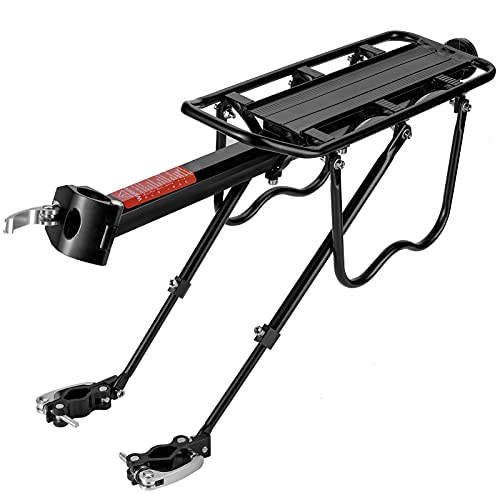
Start with your bike, then think about the load. A rack that fits the frame and wheel setup is the first priority, followed by the way you plan to carry bags or other items. The most useful rack is usually the one that matches your bike’s mounting points, clears the wheel and suits the kind of riding you do.
The main trade-off is usually between carrying capacity, fit flexibility and ease of installation. A simpler rack can be easier to live with, while a more adjustable design may suit a wider range of bikes or luggage styles.
| Feature | What it means | Why it matters | What to check |
|---|---|---|---|
| Bike fit | How the rack attaches to your frame and axle area | Fit determines whether the rack can be mounted safely and positioned correctly | Mounting points, frame compatibility and clearance around the wheel and brake area |
| Carrying style | How luggage or items sit on the rack | Different designs suit panniers, straps or a flatter load platform | Whether the rack suits your bags, boxes or general cargo |
| Load capacity | The amount of weight the rack is intended to carry | Helps you match the rack to commuting, touring or lighter day use | Manufacturer guidance for the exact model and any limits for your bike |
| Stability | How firmly the rack holds its shape and load while riding | More stability can improve confidence with heavier or bulkier items | Design, attachment points and how the load is supported |
| Ease of fitting | How straightforward it is to install and remove | Important if you share bikes, travel with the bike or remove the rack often | Tools needed, adjustment range and how the rack mounts to your bike |
Key decision criteria explained
Compatibility with your bike
Rear racks are not universally interchangeable. The frame layout, brake type, wheel size and available mounting points all affect whether a rack will fit neatly. If your bike has unusual tubing, limited eyelets or extra accessories already fitted, check the product details carefully before assuming it will work.
Intended load
Think about what you will actually carry most often. A commuting setup may only need space for a bag or groceries, while touring or longer rides may call for a rack that better supports panniers and heavier loads. A rack that is oversized for your needs can add unnecessary bulk, while one that is too light-duty may not suit regular use.
Mounting style
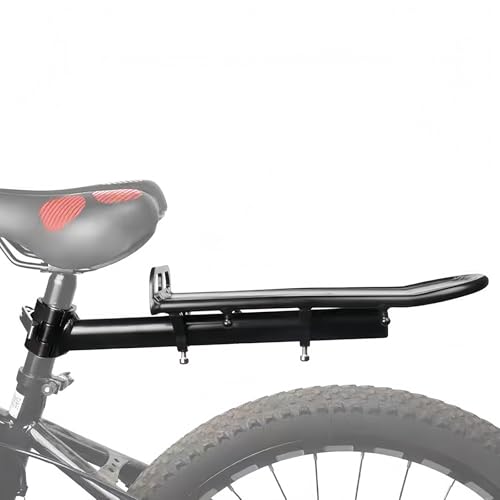
Some buyers want a rack that fits the usual rear mounting points and stays in place for day-to-day riding. Others need more flexibility because their bike has limited fittings or they want to move the rack between bikes. The right answer depends on how often you will install and remove it, and how fixed you want the setup to be.
Shape and luggage support
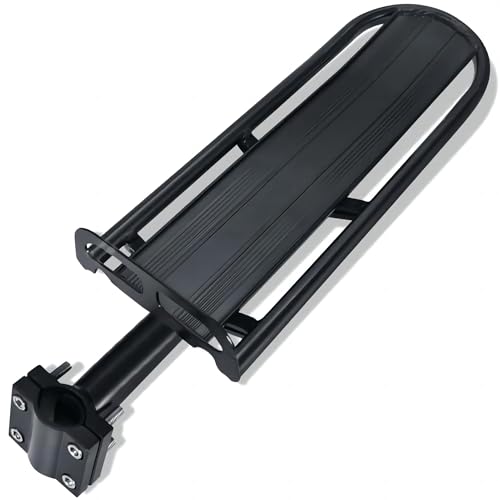
Rear racks can emphasise different carrying styles, from a simple platform for strapped items to a structure better suited to pannier bags. If you already use luggage, make sure the rack design works with it rather than relying on assumptions. The wrong shape can make loading awkward or reduce heel clearance when pedalling.
Weight and handling
A rack adds some extra mass to the bike, so it is worth considering how important lightweight handling is to you. Riders who mainly want a neat way to carry practical items may accept a little extra weight, while riders prioritising nimble handling may prefer a simpler setup. The best choice depends on whether carrying convenience matters more than keeping the bike as light as possible.
Common rear rack types and variants
Within rear bike racks, the main differences are usually about mounting, adjustability and the way luggage is supported. Some designs are aimed at straightforward everyday use, while others are better suited to more committed carrying setups.
- Standard rear racks: Often chosen for regular commuting or general utility use. They tend to suit buyers who want a familiar layout and predictable loading, but they still need a proper fit check.
- More adjustable racks: Useful where the bike fit is less straightforward or the rider wants more flexibility. The trade-off is that extra adjustment can sometimes mean more setup time.
- Pannier-friendly racks: Suitable if you plan to carry bags on the sides. These are often a sensible choice for loaded rides, but you should check heel clearance and bag compatibility.
Which rack suits which kind of rider?
| Buyer need | What to prioritise | Why |
|---|---|---|
| Daily commuting | Fit, convenience and stability | You are likely to value simple loading and reliable day-to-day use |
| Touring or longer rides | Load support and luggage compatibility | Longer trips usually make bag fit and carrying stability more important |
| Light utility use | Straightforward mounting and modest capacity | You may only need a practical way to move small loads occasionally |
| Shared or multi-bike use | Adjustability and easy removal | A more adaptable rack can be simpler if the rack is moved between bikes |
Common mistakes and misunderstandings
Assuming all rear racks fit all bikes. They do not. Always check the bike’s mounting points and any clearance constraints before comparing features.
Focusing only on carrying capacity. A high load figure is not useful if the rack does not suit your bike or luggage. Fit and support matter just as much as capacity.
Ignoring heel clearance. Some racks and bags can interfere with pedalling position. If you use panniers, think about how your feet move when riding.
Choosing for the occasional trip but buying for heavy touring. Bigger is not automatically better. Match the rack to how often and how heavily you will use it.
Safety and suitability caveats
A rear rack should be suitable for your bike and the kind of riding you do. If you are unsure about frame compatibility, attachment points or load limits, treat the product page as the source of truth rather than guessing from appearance alone. Avoid overloading a rack beyond its intended use, and check that any bags or cargo you plan to use leave enough room for safe pedalling and braking.
Maintenance, storage and lifespan considerations
Most rear racks are relatively low-maintenance, but they still benefit from occasional checks for loosened fittings, wear or movement after use. If you ride in wet or gritty conditions, it is sensible to keep the rack clean and inspect mounting points more often. Consider where the bike will be stored too, especially if the rack needs to remain fitted all year or if you plan to remove it between rides.
How to compare options efficiently
- Confirm that the rack can fit your bike’s frame and mounting setup.
- Decide what you will carry most often and how much support you need.
- Compare the rack’s carrying style with your bags, straps or boxes.
- Check the mounting method, adjustment range and how easy it is to fit.
- Review the individual product page for any model-specific limits or notes.
Summary buyer decision checklist
- Does the rack match your bike’s mounting points and clearance?
- Is it suited to the way you want to carry loads?
- Does the design work with your existing bags or cargo?
- Is the expected capacity appropriate for your use?
- Will the rack be easy enough to fit, remove and live with?
- Have you checked the individual product page for model-specific details?
Frequently asked questions
Do I need a rear bike rack if I already use a backpack?
Not always, but a rack can be a better choice if you want to keep weight off your back. It may also be more comfortable for commuting, shopping or longer rides with larger loads. The main question is whether carrying on the bike fits your routine better than carrying on your body.
Can a rear rack be used for everyday commuting?
Yes, that is one of the most common uses. Many buyers look for a rear rack so they can carry work items, a change of clothes or groceries more comfortably than they could in a backpack. Just make sure the rack suits the kind of bag or load you use most often.
Are rear racks mainly for pannier bags?
Many are used with panniers, but not every rack is designed with the same luggage style in mind. Some are better for strapped-on cargo or mixed utility use. Check how the rack supports the load rather than assuming all racks are pannier-specific.
What matters more: capacity or fit?
Fit comes first. A rack that does not suit your bike cannot do its job properly, no matter how much weight it claims to carry. Once compatibility is confirmed, capacity becomes the next important filter.
Can I move a rear rack between bikes?
Sometimes, but only if the fit and mounting setup work on both bikes. Adjustable racks can make this easier, although repeated removal may still take time. If you want to swap often, look for a design that makes installation and alignment straightforward.
What if my bike has limited mounting points?
That is when checking the product details matters most. Some racks rely on specific fittings, while others are more adaptable. If the bike’s rear end is unusual, verify compatibility before narrowing the choice further.
Extra fit checks for less-standard bike setups
Some setups need closer checking than a basic frame-and-wheel-size match. If your bike has disc brakes, full-length mudguards, rear suspension, a thru-axle or an electric-bike battery or wiring near the mounting area, confirm that the rack’s attachment points and clearance suit that exact layout. Do not assume a rack described as adjustable will accommodate every configuration.
If you intend to fit a child seat or another accessory to the rack, check that the rack is explicitly intended for that use and that the accessory maker confirms compatibility. A rack designed for luggage should not be assumed suitable for carrying a passenger.
How to interpret load limits
Compare the rack’s stated load limit with the intended load, but also check any relevant limit given for the bike and its mounting system. Do not assume the rack’s rating overrides a lower limit elsewhere, or that the rating includes or excludes bags and accessories unless the product information says so. If the limits or intended use are unclear, confirm them before buying rather than estimating from the rack’s appearance.
More Rear Bike Racks
See all 75 Rear Bike Racks →



As an Amazon Associate we earn from qualifying purchases.