

Reel replacement parts are for anglers who want to keep a reel working smoothly, restore a worn component or replace a lost piece without changing the whole reel. They can also be useful when you are maintaining a favourite reel that still suits your fishing style but needs attention.
Because reels vary a lot by type and model, the main buying challenge is not just deciding what part you need, but whether it will fit and function as intended. A careful check of the part type, reel family and product details can save time and frustration.
What should you look for in reel replacement parts?
The most important starting point is fit. A part may look similar in a photo yet still be the wrong size, shape or fixing style for your reel. After that, think about how the part affects day-to-day use: some parts are mainly cosmetic or protective, while others directly affect retrieve, drag or line control.
Specifications vary by model, so always check the individual product page before buying.
| Feature | What It Means | Why It Matters | What To Check |
|---|---|---|---|
| Compatibility | Whether the part is made for your reel type or model family | The wrong part may not fit or may work poorly | Reel type, model details and any stated compatibility notes |
| Part function | What the part actually does in the reel | Critical parts affect performance more than decorative ones | Whether it is for drag, handle, spool, line lay, winding or protection |
| Material and finish | What the part is made from and how it is surfaced | Can affect wear resistance, feel and exposure to moisture | Product description and any care guidance provided |
| Included fittings | Whether screws, washers or other small pieces are supplied | Missing fittings can delay fitting or make a part unusable on arrival | What is listed as included, not just the headline part name |
| Replacement scope | Whether you are replacing one item or several related parts | Some wear problems are better solved by checking the whole assembly | Whether the damaged item sits within a larger mechanism |
Which details matter most when comparing parts?
Fit and compatibility
Fit is usually the deciding factor. Reels are not all built to the same pattern, so two parts with similar names can still differ in dimensions, thread type, mounting points or orientation. Look for clear model references, and if those are absent, compare the part carefully with the one you are replacing.
Function and wear
Some replacement parts are chosen because they improve usability, while others simply restore a worn reel to normal use. If a part affects drag, winding smoothness or line management, it deserves more attention than a purely cosmetic cover or knob. That does not mean every upgrade is necessary; it just means the role of the part should match the problem you are solving.
Materials and durability
Different parts may use different materials or finishes depending on where they sit in the reel. A part exposed to regular handling or moisture may benefit from a more durable finish, but the better choice still depends on the exact reel and use case. It is usually more helpful to compare the stated part type than to assume a material alone tells the whole story.
What is included
Small fittings matter. A replacement part that arrives without the screws, washers or retaining pieces you need may not solve the issue straight away. When comparing options, read the product details carefully so you know whether you are buying just the visible component or a more complete fitting set.
Common part types and what they are for
Reel replacement parts can cover a wide range of components, from user-facing handles and knobs to internal wear items and small fixings. Some are intended for routine maintenance, while others are used when a reel has been damaged or a piece has been lost. The useful question is not simply “what is it called?”, but “what part of the reel does it support?”
Where the product page gives little context, compare the old part against the replacement and look for any model or reel-family notes before making a choice.
| Buyer need | What to prioritise | Trade-off to keep in mind | Useful check |
|---|---|---|---|
| Routine repair | Exact fit and complete fittings | The cheapest part is not helpful if it does not install correctly | Match the broken part as closely as possible |
| Maintenance refresh | Wear resistance and correct function | A minor wear item may reveal a larger issue elsewhere in the reel | Confirm whether one part is enough or whether a related piece is also worn |
| Careful upgrade | Comfort, feel and build quality | Improving one part does not change the whole reel | Check that the upgrade suits the reel’s design and your fishing style |
| Gift or spare purchase | Clear identification and broad compatibility notes | Parts are easy to mis-buy without the reel details to hand | Record the reel model before choosing anything |
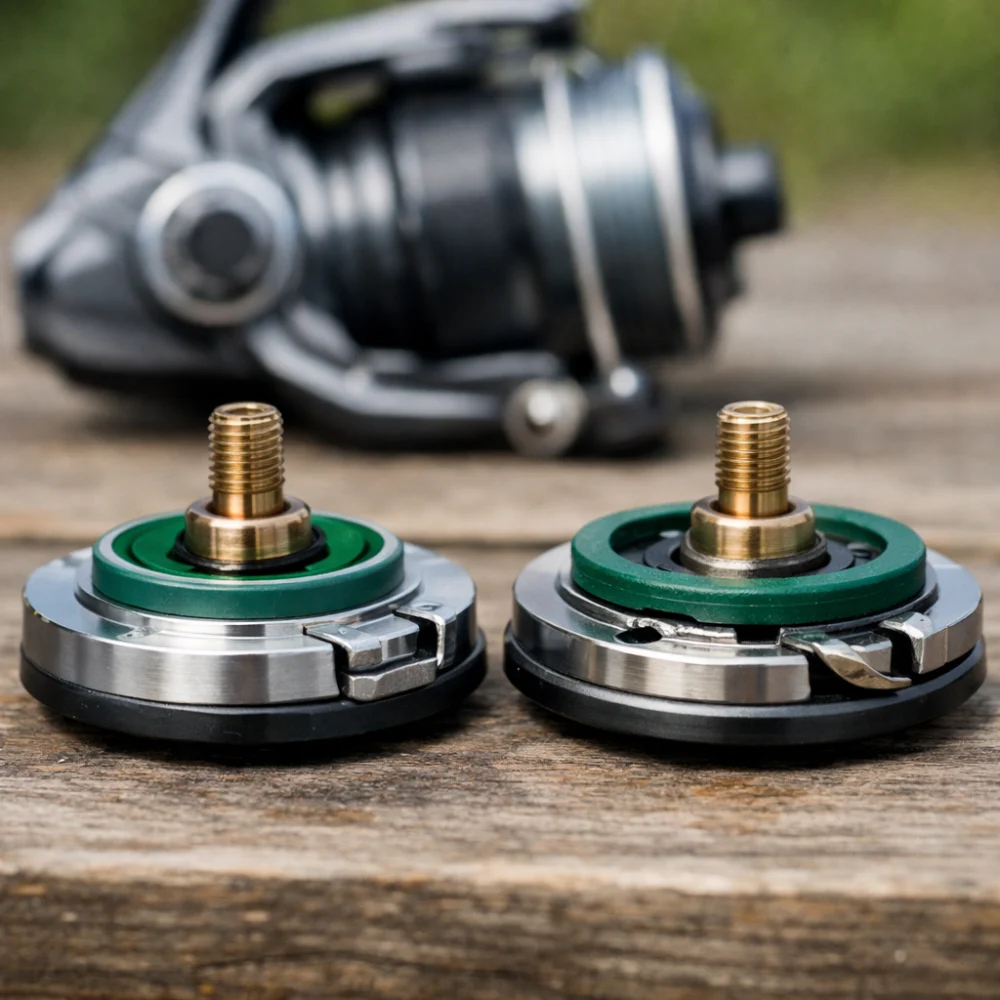
Common mistakes to avoid
- Buying by appearance alone. A part can look right in a photo but still be the wrong fitting or size.
- Ignoring the exact reel model. Even within the same reel family, parts may vary enough to matter.
- Overlooking small fittings. Washers, screws and retaining pieces are easy to miss and can stop a repair from being completed.
- Replacing the visible part without checking the cause. Sometimes the worn item is only part of a larger maintenance issue.
- Assuming universal fit. Unless a listing clearly supports it, compatibility should be checked rather than guessed.
Safety and suitability checks
For fishing reel parts, the main concern is suitability rather than danger, but it still pays to check the fit carefully. A part that is mis-specified can affect how the reel works, how smoothly it winds or whether the reel assembles correctly. If a component is part of a load-bearing or moving mechanism, make sure the product information is specific enough for your reel before you commit.
Maintenance, storage and lifespan considerations
Replacement parts often make the most sense when they are paired with sensible care of the reel as a whole. Keep the reel clean and dry when you can, and store spare parts where small pieces will not be lost or mixed up. If you are replacing a part because of wear, it is worth thinking about whether other nearby components may need attention later, especially in reels that see regular use.
How to compare options efficiently
- Identify the exact reel and the part you need to replace.
- Check whether the part is for the right reel type, model family or assembly.
- Compare the function of the part with the problem you are trying to solve.
- Look for details about what is included, especially small fittings.
- Read the individual product page carefully before deciding.
Summary buyer decision checklist
- Do I know the exact part I am replacing?
- Have I checked reel type and model compatibility?
- Does the part do the job I actually need it to do?
- Are any screws, washers or other fittings included?
- Have I compared the replacement with the old part where possible?
- Have I checked the product page for any model-specific notes?
Frequently asked questions
How do I know which reel replacement part I need?
Start with the reel model and the worn or missing component. If possible, compare the old part with the product photos and description, then look for any compatibility notes on the product page. The more exact the match, the less likely you are to end up with a part that does not fit.
Are reel parts interchangeable between different reels?
Sometimes, but not always. Parts that look similar may still differ in size, fixing style or intended reel family. It is better to check compatibility carefully than to assume interchangeability.
Should I replace one part or several at the same time?
That depends on how the reel is wearing. If only one item is damaged, a single replacement may be enough. If nearby parts also show wear, it can make sense to compare the related components before deciding.
Do I need to choose parts from the same reel brand?
Not necessarily, but compatibility matters more than brand name alone. A part from another brand may still be unsuitable if the dimensions or fixing style are different. Always rely on the specific product information rather than the label alone.
What if I do not have the original part to compare?
Use the reel model, assembly type and any product measurements or notes that are provided. If a listing is vague, that is a sign to be cautious. It is usually better to pause than to buy a part that only seems close.
Are all replacement parts equally important?
No. Some are minor convenience items, while others affect how the reel functions. Parts linked to winding, drag or line control deserve more careful checking than cosmetic covers or small trims.