


Sailboat rigging covers the lines, wire, fittings and hardware that help control and support a sailing boat. If you are replacing worn parts, upgrading handling, or buying for a specific boat type, the main challenge is matching the right component to the right job.
This guide focuses on the practical choices buyers usually face: strength, compatibility, material, ease of adjustment and the difference between standing and running rigging. It is meant to help you narrow the options before you compare individual product pages.
Specifications vary by model, so always check the individual product page before buying.
Compare Sailboat Rigging


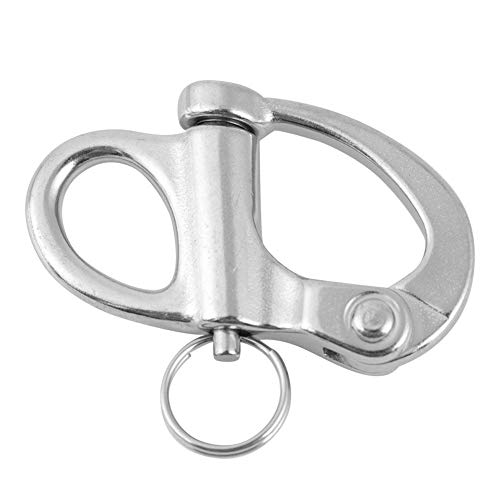
As an Amazon Associate we earn from qualifying purchases.
What should you look for first in sailboat rigging?
The best starting point is the role the part plays on the boat. A support or load-bearing component needs a different specification from a control line that is adjusted more often, and a part that runs through hardware needs different handling properties again. Once you know the job, you can compare the important details instead of judging products by name alone.
The main trade-off is usually between strength, flexibility, durability and ease of handling. A more specialised component may work better for a specific setup, but it is only useful if it matches the boat and the intended use.
| Feature | What it means | Why it matters | What to check |
|---|---|---|---|
| Rigging role | Whether the part is for support, control or adjustment | Different jobs place different demands on the component | Confirm the intended use on the product page |
| Material | The construction of the line, wire or fitting | Material affects handling, wear and suitability | Look for the material description and any application notes |
| Compatibility | How well it matches the boat and existing hardware | Even a good component can be unsuitable if the size or end fitting is wrong | Check dimensions, connection type and intended setup |
| Strength and load handling | How much load the component is designed to cope with | Load demands vary widely across sailboat setups | Compare the stated specification against your boat’s requirements |
| Handling and adjustment | How easy it is to set, tension or trim | Frequent-use control lines benefit from easier handling | Look for notes on flexibility, grip or adjustability |
Key decision criteria
Standing rigging or running rigging?
Standing rigging is the support side of a sailboat’s rig, while running rigging is the part you handle and adjust during sailing. That distinction matters because the two categories are chosen for different purposes and usually have different performance priorities. A buyer replacing one should not assume the other is interchangeable.
Material and construction
Materials influence how the rigging behaves in use, how it wears and how much care it may need. Some buyers care most about low stretch, others about easy handling or corrosion resistance, depending on the part and the environment. The right choice depends on the boat’s setup and the intended use, not on one material being universally better.
Size, ends and fitting compatibility
Rigging parts often need to work with specific fittings, attachment points or rope-handling hardware. Small differences in diameter, termination style or end fittings can make a component unsuitable even if it looks similar at first glance. Check the dimensions and connection details carefully before buying.
Comfort and handling
For lines that are frequently adjusted, feel and grip can matter as much as basic strength. A rigging item that is easier to handle may make regular sailing simpler, but it still has to suit the load and the hardware path. That is why it helps to compare practical use rather than focus on one specification in isolation.
Types and variants you are likely to compare
Within sailboat rigging, buyers commonly compare support components, control lines and related hardware. A support component is chosen mainly for its load-carrying role, while a control line needs to be easy to use during sailing. Hardware and fittings sit between those two needs, because they must be both secure and compatible with the rest of the setup.
Specifications vary by model, so always check the individual product page before buying.
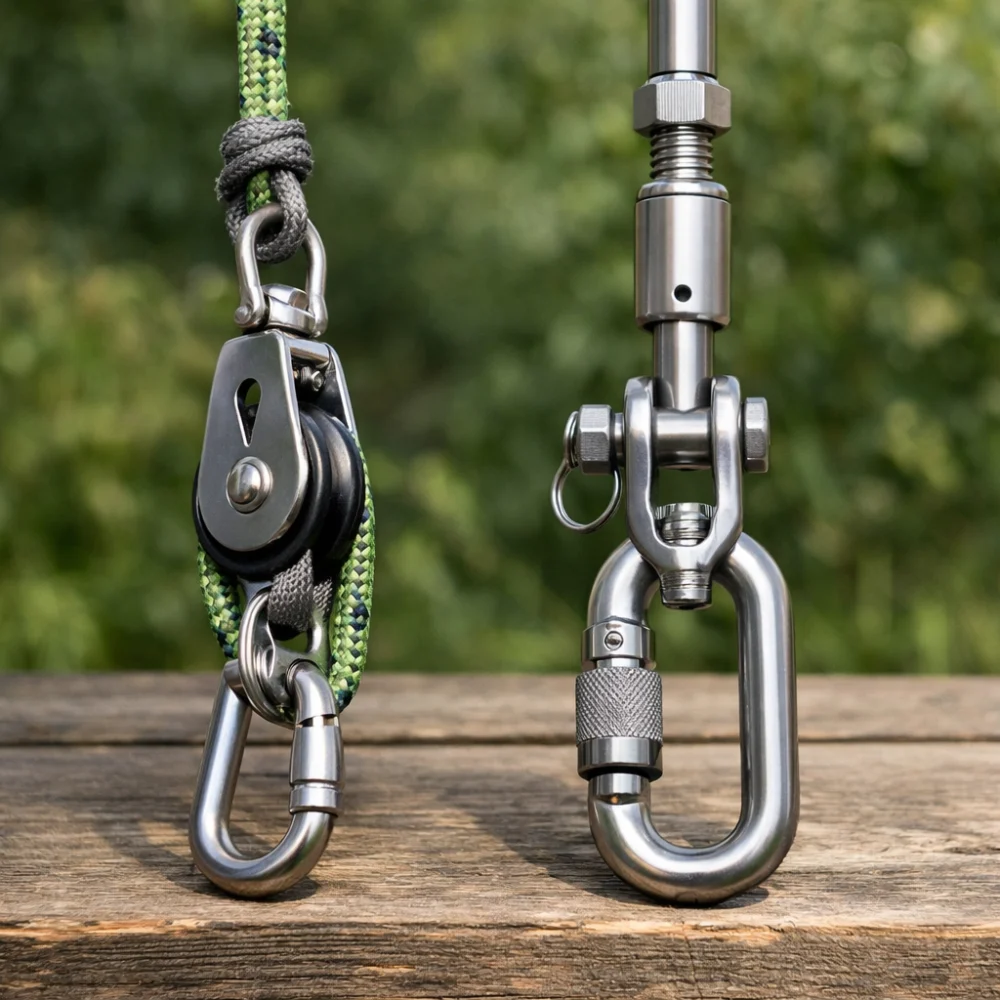
Which rigging features suit different buyers?
| Buyer need | What matters most | Typical trade-off | What to confirm |
|---|---|---|---|
| Replacement for an existing part | Exact fit and matching connection type | A close-looking part may still be wrong for the setup | Dimensions, fittings and intended application |
| General upgrade to handling | Ease of use and consistent feel | More convenient handling may come with a different material choice | Grip, flexibility and suitability for repeated adjustment |
| Load-bearing support work | Strength and correct construction | Heavier-duty parts may be less convenient to handle | The stated specification and compatibility with the boat |
| Shore-based spares or maintenance stock | Broad usefulness and reliable compatibility | A general spare may not suit every exact rigging role | The most common sizes and connection styles you need |
Common mistakes and misunderstandings
- Choosing by appearance alone. Two items can look similar but perform very differently once load, routing and fittings are considered.
- Assuming every rigging part is interchangeable. Support and control roles are different, so the correct choice depends on the job.
- Ignoring the fittings. A suitable line or wire can still be wrong if the termination or connection type does not match.
- Focusing only on strength. Strength matters, but so do handling, wear, compatibility and the way the part will be used.
Safety and suitability caveats
Sailboat rigging is safety-relevant because it contributes to how the boat is controlled and supported. That makes it important to match the right component to the right application and to avoid guessing when a product page leaves out a detail. If the boat has unusual hardware, a replacement part should be checked carefully against the existing setup before you buy.
Maintenance, storage and lifespan considerations
Rigging choices are not just about the initial purchase. Some parts may need more attention to cleaning, inspection or replacement than others, depending on exposure to wear and weather. If you want the most practical option, think about how easy it will be to inspect, keep tidy and replace when needed.
How to compare sailboat rigging options efficiently
- Start with the exact job the part needs to do on the boat.
- Narrow the choice to the correct rigging type and fitting style.
- Compare the practical details that matter most: material, dimensions, compatibility and handling.
- Weigh the trade-off between easier use and the demands of the application.
- Check the individual product page for the specific model information before deciding.
Summary buyer decision checklist
- Have you identified whether the part is for support, control or adjustment?
- Do the size and fittings match the boat and the existing hardware?
- Is the material suitable for the way the part will be used?
- Have you checked handling, flexibility and the likely wear points?
- Does the product page give enough detail to confirm the fit?
- Are you replacing a part or choosing an upgrade with a different trade-off?
Frequently asked questions
What is the difference between standing and running rigging?
Standing rigging supports the rig, while running rigging is used to adjust and control sails or related equipment. They serve different functions, so the same buying priorities do not apply to both. Always check which role the component is intended to fill.
Can I replace a rigging part with something that looks similar?
Not safely on looks alone. Small differences in diameter, construction or end fitting can make a component unsuitable even if it resembles the original. Compare the product details against the existing part before making a decision.
Why does compatibility matter so much?
Rigging often has to work with specific hardware, attachment points or routing paths. If the fit is wrong, the part may not function as intended even if it seems strong enough. Compatibility is one of the most important checks for a replacement buyer.
Is stronger always better?
Not necessarily. A stronger component may be heavier, less flexible or less convenient to handle, and those trade-offs matter in sailing. The right choice is the one that suits the load and the way the part will be used.
What should I check first on a product page?
Start with the intended use, then check size, connection type and any notes about compatibility. After that, compare the material and handling characteristics against your needs. If any of those points are unclear, it is safer to pause and verify the match.
How do I choose between different materials?
Think about the balance you need between handling, wear resistance and suitability for the application. Different materials can suit different roles, so the best choice depends on whether the part is a control line, support component or related fitting.
Before replacing a rigging component
For a replacement, identify the component’s job and position in the rig, then compare its relevant dimensions, construction and end connections with the existing setup and the boat’s specifications. A close visual match is not enough: the product information needs to confirm suitability for the intended application. If the specification or compatibility is unclear, seek confirmation from the boat’s manufacturer or a qualified marine rigger before choosing.
Some rigging-related products are tools or gauges rather than replacement components. For these, check what type of rigging they are intended for and any stated size or compatibility limits; do not assume a tool or gauge suits every boat or setup.
More Sailboat Rigging
See all 97 Sailboat Rigging →


As an Amazon Associate we earn from qualifying purchases.