


Spring-loaded camming devices are a core part of many climbers’ protection systems, but choosing between them is not just a matter of picking the first size that looks right. The useful differences are usually about placement range, ease of handling, intended rock features and how well a device suits your climbing style.
If you are comparing options for the first time, it helps to focus on what kind of protection you actually want to place, rather than treating all camming devices as interchangeable. The right choice depends on the cracks or placements you expect to encounter, how much confidence you want when placing gear and how much weight or complexity you are comfortable carrying.
Because this is technical climbing equipment, the main buying decision is usually about suitability and compatibility with your intended use. Specifications vary by model, so always check the individual product page before buying.
Compare Spring-Loaded Camming Devices


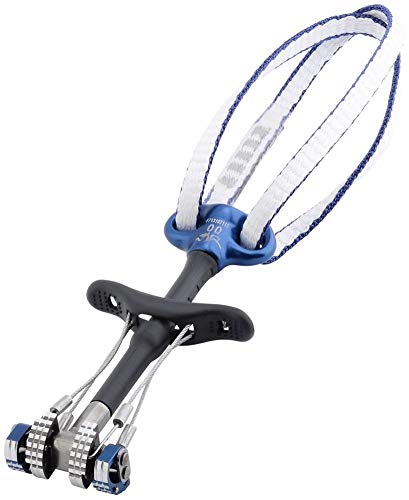
As an Amazon Associate we earn from qualifying purchases.
What should you look for first?
Start with the placements you expect to use most often. A camming device that fits securely in the size and style of crack you commonly encounter is usually more useful than one chosen only for general appeal. After that, compare handle feel, size range, weight and how easy the device is to place and inspect quickly.
The biggest trade-off is usually between versatility and specialisation. A wider size range or more refined design can be helpful, but only if it still suits the routes and cracks you actually climb.
| Feature | What it means | Why it matters | What to check |
|---|---|---|---|
| Size range | The crack widths or placement range a device is intended to fit | It affects where the device can be placed confidently | Check the stated range on the product page and compare it with the placements you expect |
| Unit size | The physical size of the device itself | It influences rack planning, carry comfort and where it may fit on your harness | Look at how the size relates to the other devices you already use |
| Trigger and handling feel | How the device compresses and releases when placing it | It affects speed, confidence and ease of use with gloves or in awkward positions | Review the product details for any design notes that explain operation or ergonomics |
| Weight and bulk | How much space and mass the device adds to your rack | It matters on long routes and when carrying several pieces | Compare only within the same category and consider your full rack, not one item alone |
| Intended use | The climbing style or environment the device is designed around | It helps match the gear to your intended climbing | Check whether the product information describes the intended application clearly |
Key decision criteria
Placement range
Placement range is one of the most important checks because it determines where the device can do useful work. A device that covers the cracks or pods you actually meet is more valuable than one with impressive general appeal. Think in terms of the routes and rock you normally climb, not just the broadest possible option.
Handling and placement confidence
Some climbers prefer a device that is quick and intuitive to place, while others are comfortable with a more compact shape or a different trigger feel. The practical question is whether the device is easy enough for you to place cleanly under real climbing conditions. If you often climb in colder weather or with gloves, handling can matter even more.
Rack balance
Climbing protection is often chosen as part of a set rather than in isolation. A new camming device should complement the other gear you already carry, instead of duplicating a size you already have or leaving a gap in your range. This is especially useful when building a first rack or replacing a lost piece.
Build details and finish
Small design details can affect day-to-day use even when the broad category is the same. Look for clear product information about the device shape, trigger arrangement and any notes that help you understand how it is intended to be used. Do not assume two similar-looking products will behave the same way.
Types and variants within the category
Within spring-loaded camming devices, the main differences usually come down to size and design emphasis rather than entirely separate product families. Smaller devices are often chosen where narrower placements are expected, while larger ones may suit wider cracks or different parts of a rack.
Some buyers want a general-purpose option for common placements, while others prefer to fill a specific gap in an existing set. The useful distinction is not whether one device is universally better, but whether it fits your climbing and the rest of your rack.
Who each choice tends to suit
| Buyer need | What tends to matter more | What to avoid overlooking |
|---|---|---|
| First-time buyer building a rack | Clear sizing information and straightforward handling | Make sure the device fills a genuine gap rather than repeating gear you already have |
| Experienced climber refining a rack | Specific placement range and rack balance | Check how the device complements existing pieces rather than adding another similar size |
| Climber prioritising easy handling | Trigger feel, grip and quick placement | Do not ignore whether the size range still matches your intended use |
| Buyer replacing a lost piece | Matching the previous range and general style | Confirm the new device really serves the same role in the rack |
Common mistakes and misunderstandings
- Choosing by size alone: physical size is not the same as placement suitability, so always check the stated range.
- Buying for general appeal: a camming device should match the rock and routes you climb, not just look versatile on paper.
- Ignoring the rest of the rack: a useful purchase often fills a gap rather than adding another overlapping piece.
- Assuming similar products behave identically: small design differences can change how a device handles and fits.
Safety and suitability caveats
Spring-loaded camming devices are specialist climbing protection, so the buyer’s main job is to confirm that the product suits the intended climbing use and that the details are clear enough for informed selection. If you are uncertain about a device’s role in your rack, check the product information carefully and compare it with the rest of your equipment. Do not rely on a name or appearance alone to judge suitability.
Maintenance, storage and lifespan considerations
General care matters because climbing gear is exposed to dirt, moisture and repeated handling. Buyers should consider how easy the device is to inspect, keep clean and store with the rest of their rack. Any care instructions on the individual product page are worth checking, especially if you want gear that stays organised and easy to assess before use.
How to compare options efficiently
- Work out what kind of placements you want the device to cover.
- Compare the stated range and size against your intended use.
- Check handling, weight and how the device fits with your existing rack.
- Look for design details that affect confidence and ease of placement.
- Read the individual product page carefully before deciding.
Summary buyer decision checklist
- Does the placement range match the cracks or features you climb most often?
- Will the device add something useful to your current rack?
- Are the handling and trigger feel likely to suit your preferences?
- Have you checked the individual product page for the details that matter most?
- Does the device fit your intended climbing rather than a generic use case?
Frequently asked questions
What is a spring-loaded camming device used for?
It is used as a type of climbing protection that can be placed in suitable rock features where its range and shape make sense. The important part is not just what it is, but whether it matches the placements you expect to use.
How do I know which size to buy?
Start with the crack widths or placements you most often encounter, then compare those needs against the stated range on the product page. If you already own other pieces, try to fill a gap rather than duplicate what you have.
Are all camming devices interchangeable?
No. Similar devices can differ in size, handling and the sort of placements they suit. That is why it is worth checking the product details instead of assuming one option will replace another exactly.
Should a beginner buy one general-purpose device first?
That can make sense if it fits the kind of climbing being planned, but it should still be chosen for a real placement need. The goal is not to buy the most flexible-looking item, but the one that is easiest to use well in your intended setting.
What matters more: weight or size range?
Usually the answer depends on how you climb. Weight matters more on longer routes and when carrying a full rack, while range matters more when you need the device to fit a particular kind of placement reliably.
How should I compare two similar products?
Compare the stated placement range, handling notes and how each option fits the rest of your rack. If both look close, the deciding factor is often which one better suits your real climbing rather than the broadest specification.
Symmetric and offset cam designs
Another distinction to consider is whether the lobes are symmetric or offset. Offset designs have lobes of differing sizes and may suit some tapered or irregular placements, while a symmetric design may be a more relevant comparison for more uniform placements. Neither shape is a universal solution, so check the maker’s stated intended use and size information rather than assuming an offset cam will fit every uneven feature or replace a symmetric one.
More Spring-Loaded Camming Devices
See all 45 Spring-Loaded Camming Devices →


As an Amazon Associate we earn from qualifying purchases.