


Tent repair patches are a simple way to deal with small tears, worn areas and accidental punctures in camping shelter fabric. The main buying challenge is not just finding a patch, but finding one that suits the fabric, the damage and the way you plan to use the tent afterwards.
If you are replacing or patching a tent panel, doorway or groundsheet area, it helps to think about material match, adhesion method and the size of the repair. A patch that is convenient to apply is not always the best fit for every surface, especially when the damaged area flexes often or sees a lot of moisture.
This guide focuses on how to compare tent repair patches sensibly, so you can choose a practical option for repairs, spares or emergency use.
Compare Tent Repair Patches


As an Amazon Associate we earn from qualifying purchases.
What should you look for in tent repair patches?
The best starting point is the tent material and the type of damage. A small tear in a low-stress panel may suit a simple patch, while a more exposed or frequently flexed area may need a more considered repair approach. The trade-off is usually between ease of use, flexibility and how neat or durable the finished repair is.
Specifications vary by model, so always check the individual product page before buying.
| Feature | What It Means | Why It Matters | What To Check |
|---|---|---|---|
| Patch material | The patch may be made from a fabric, film or other adhesive-backed material. | Material choice affects flexibility, grip and how well the repair blends with the tent surface. | Check whether it is suitable for your tent fabric and the area being repaired. |
| Adhesion method | Some patches rely on peel-and-stick application, while others may need heat or a separate adhesive. | Ease of application matters if you need a quick field repair. | Look at the application steps and whether they suit your conditions. |
| Patch size and shape | Patches may be small, cut-to-size or pre-shaped. | Coverage needs vary depending on the tear, hole or worn section. | Compare the damaged area with the usable patch area. |
| Flexibility | How well the patch moves with the tent fabric after fitting. | Flexible repairs are often more suitable for panels that are folded or tensioned. | Check whether the patch is intended for moving fabric or more static areas. |
| Weather exposure suitability | Some repairs are better suited to dry, sheltered or temporary use than long-term exposed use. | Outdoor shelter fabric faces rain, UV and repeated packing. | Read the product information for intended conditions and limitations. |
Key decision criteria
Match the patch to the tent fabric
Different tent fabrics behave differently, so the most important question is whether the patch is appropriate for the surface you are repairing. A patch that bonds well to one material may not suit another in the same way. For buyers, the main task is to compare the repair product with the fabric type described on the tent or on the product page.
Think about the location of the damage
A patch for a side panel may face less stress than one used on a high-tension corner or a frequently opened section. If the damaged area bends, folds or gets pulled often, the repair needs to cope with movement as well as weather. That usually means paying more attention to flexibility and adhesion than to appearance alone.
Choose the right size of coverage
A small puncture does not need the same level of coverage as a longer rip or worn seam-adjacent area. It is usually easier to buy enough patch material for the job than to find a repair that is too small. At the same time, oversized patches can look untidy or be awkward on cramped sections of a tent.
Consider how quickly you need to repair it
Some buyers want a compact emergency fix for a trip, while others want a more deliberate repair at home. Fast application can be very useful, but it may involve trade-offs in finish or long-term durability. If portability matters, compare pack size and application method rather than assuming all patches are equally convenient.
Product types and variants
Tent repair patches are usually chosen by application style rather than by elaborate product type. A simple adhesive patch can suit quick fixes, while a more adaptable patch material may suit buyers who want to cut a repair to shape. Some options are aimed more at temporary field use, while others are better for planned maintenance at home.
The main limitation is that no patch works equally well on every tent or every kind of damage. For that reason, buyers should treat the category as a repair solution family rather than a one-size-fits-all product.
Which patch suits which buyer?
| Buyer need | What tends to matter most | Reason |
|---|---|---|
| Emergency trip repair | Simple application, compact format, quick bonding | Speed and convenience matter when you want the tent usable again with minimal fuss. |
| Planned home repair | Material match, clean finish, enough coverage | You have more time to choose a patch that suits the tent and the repair area properly. |
| Frequent camper | Durability, flexibility, storage practicality | Repeated use means the patch needs to cope with packing, pitching and weather exposure. |
| Occasional user | Ease of use, broad suitability, straightforward instructions | It is often better to choose a simple option that is easy to keep as a spare. |
Common mistakes and misunderstandings
- Choosing by patch size alone. Size matters, but compatibility with the tent material is usually the more important starting point.
- Assuming every adhesive patch is permanent. Some repairs are better for temporary use, so it is worth checking the intended application.
- Repairing the visible area only. A patch should cover the damage properly and account for any fraying or weak edges around it.
- Ignoring where the tear sits. A patch on a lightly used panel has different demands from one on a high-stress or repeatedly folded section.
Safety and suitability caveats
Tent repair patches are useful for many minor repairs, but they are not a universal fix for every failure. Large structural damage, repeated tearing or damage to key load-bearing points may need a different solution. For any repair, it is sensible to check the product information carefully and make sure the patch is appropriate for the tent fabric and the conditions you expect.
Maintenance, storage and lifespan considerations
Repair patches are usually easiest to keep effective when stored clean, dry and in line with the product instructions. If the repair depends on adhesive performance, contamination from dirt or damp can affect results. It also helps to keep a small repair kit with your camping gear, so you are not searching for supplies when you need a quick fix.
How to compare options efficiently
- Identify the fabric and area you need to repair.
- Decide whether you need a quick temporary fix or a more considered repair.
- Compare patch material, size, adhesion method and flexibility.
- Check the product page for intended use and any limitations.
- Choose the option that matches the damage and the way you use your tent.
Buyer decision checklist
- Does the patch suit the tent fabric you need to repair?
- Is the repair area small, moderate or likely to flex often?
- Is the application method practical for your setting?
- Do you have enough patch material for proper coverage?
- Is the repair intended as temporary, practical or longer term?
- Have you checked the individual product page for any model-specific details?
Frequently asked questions
Can tent repair patches be used on all tent fabrics?
Not always. Different tent fabrics and coatings can affect how well a patch bonds, so it is important to check suitability on the product page. If the material is not clearly stated, treat compatibility as uncertain rather than assuming it will work.
Are adhesive patches enough for a lasting repair?
They can be, depending on the damage and the fabric, but not every repair is the same. Small, low-stress tears may be well served by an adhesive patch, while more exposed or heavily flexed areas may need a more considered approach. The key is to match the repair to the job rather than expect one method to suit everything.
Should I choose a larger patch than the hole itself?
Usually yes, because the repair needs to cover the damaged area properly and account for any frayed edges. A patch that is too small may not hold well or may leave weakened fabric exposed. That said, an oversized patch may be less neat on small panels.
Do tent repair patches work as an emergency fix?
Many are suitable for emergency use, but you should still check the intended application and any limitations. A quick repair can help a tent remain usable for the rest of a trip, yet it may not be the same as a planned home repair. Keeping a patch in your camping kit is often a practical precaution.
What matters more: ease of application or durability?
It depends on how you use the tent. If you need a fast repair away from home, ease of application may matter most. If you are repairing a tent you use often, durability and fabric match may deserve more attention.
Can a patch fix a torn seam or major structural damage?
Not necessarily. A patch is best thought of as a repair for suitable fabric damage, not a solution for every problem. If the damage affects a key seam, stressed corner or broad structural area, check whether a different repair method is more appropriate.
Tent repair patches are intended to cover or reinforce certain kinds of damage to tent fabric. Choosing one involves more than matching the patch to the size of a tear: the fabric surface, damage location and intended use of the repair can all affect suitability.
This guide focuses on how to compare repair patches for tent fabric, whether you are preparing a repair kit or considering a particular repair. It does not cover other tent components such as poles, pegs or seam sealers.
How do you choose a tent repair patch?
Start by identifying the tent fabric and the kind of damage, then check that the patch is intended for that surface and use. Compare the available coverage, application method and flexibility, especially if the damaged area is likely to bend or experience tension. A convenient patch is not automatically suitable for every fabric or repair.
Specifications vary by model, so always check the individual product page before buying.
Key factors to compare
| Feature | What it means | Why it matters | What to check |
|---|---|---|---|
| Material compatibility | The patch is designed for particular fabric types or surfaces. | Different fabrics, coatings and finishes can affect whether a patch is suitable. | Compare the stated intended materials with the information for your tent. |
| Format | A patch may be pre-cut, cut-to-size or supplied as repair tape or part of a kit. | The format affects how much flexibility you have over coverage and what else may be needed. | Check the format and what the product includes; do not assume a kit contains a particular item. |
| Coverage | The usable patch area or tape length available. | The size and shape of damage vary, and nearby weakened fabric may also affect the repair choice. | Compare the stated dimensions with the area you need to cover. |
| Application method | The product may use adhesive backing or require a separate bonding method. | Some methods may be more practical than others for your repair setting and experience. | Read the product information for the stated method and any conditions or preparation requirements. |
| Flexibility and intended use | How the product is described for fabric that may flex, fold or be exposed outdoors. | A repair area can move or experience more stress than another part of the tent. | Check the stated use and limitations, particularly for frequently folded or tensioned areas. |
| Appearance | Colour, transparency or surface finish of the patch. | A visible repair may matter on prominent panels, although appearance does not establish suitability. | Compare the described finish if appearance is important to you. |
Decision criteria
Match the patch to the tent fabric
Look for clear information about which materials and surfaces the patch is intended for. A tent can include different fabrics or finishes, so do not assume that a product suitable for one panel will suit every part of the shelter. If you cannot confirm a match, treat compatibility as uncertain.
Consider where the damage is
A repair on a relatively still panel may face different demands from one near a seam, corner or area that folds repeatedly. Consider whether the patch is described for the relevant kind of use, rather than choosing on appearance alone. Damage close to a seam or in a highly stressed area may call for a different repair approach.
Compare coverage with the repair area
Check the stated usable dimensions against the size and shape of the damage. A tape or cut-to-size format can offer flexibility, while a pre-shaped patch may be convenient for a smaller, simpler repair. More coverage is not automatically better if the format is awkward for the area or is not suitable for the fabric.
Balance convenience with the repair you need
A ready-to-use format may appeal when you want a compact item to keep with camping supplies. For a planned repair, you may prefer to compare material compatibility, finish and coverage more carefully. In either case, check the application information; do not assume that every adhesive-backed product can be applied in the same way.
Common patch formats
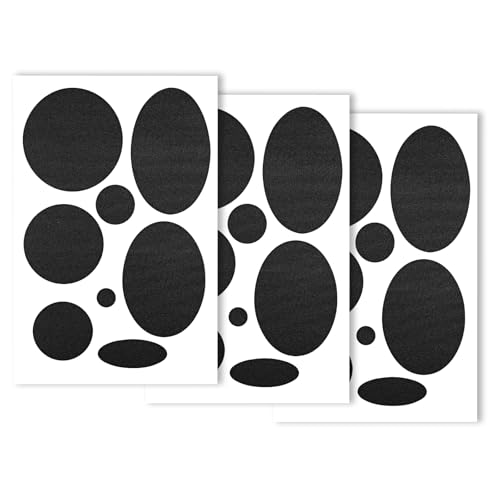
Pre-cut patches offer a defined shape and may suit straightforward repairs where the coverage is appropriate. Cut-to-size patches or repair tape can be adapted to different shapes, but the material and stated use still need to suit the tent surface.
Some repair products are supplied as kits rather than as a single patch. The contents and application method can differ, so check the individual product information rather than assuming that all kits include the same materials. These are format differences, not a guarantee that one type will suit every tent or kind of damage.
Which features may suit different needs?
| Situation | Useful priorities | Trade-off to consider |
|---|---|---|
| Keeping a repair option in camping gear | Compact format, straightforward product information and a suitable range of coverage | Convenience does not remove the need to check fabric compatibility. |
| Planning a repair at home | Clear material guidance, suitable coverage and a finish that meets your preference | A more considered choice may take longer than selecting a simple ready-to-use format. |
| Repairing an area that flexes or folds | Stated suitability for the relevant material and use, plus attention to flexibility | Not every patch is intended for repeatedly moving fabric. |
| Unsure what the tent is made from | Reliable information about the tent fabric and cautious comparison with patch guidance | Guessing based on colour or appearance can leave compatibility unresolved. |
Common mistakes and misunderstandings
- Choosing by size alone. Check fabric compatibility and intended use as well as coverage.
- Assuming all tent fabrics are alike. Fabrics and surface finishes can differ, so verify the match rather than relying on a general label.
- Treating every patch as a permanent repair. Products can have different intended uses and limitations; check what the product information says.
- Overlooking the damage location. A frequently flexed or stressed area may need more consideration than a less exposed panel.
- Assuming a kit has everything required. Check the listed contents and application method for the particular product.
Suitability and repair limits
A patch is not necessarily appropriate for every tear or tent surface, and it should not be assumed to restore the tent to its original condition. Extensive damage, damage near a seam or highly stressed area, or uncertainty about the fabric may warrant a different repair option or advice from the tent manufacturer or a repair specialist. Follow the product information and consider the consequences if a repair does not hold in the conditions you expect.
Storage and care considerations
Check the product information for storage conditions and any care guidance, particularly where adhesive performance is involved. Keeping a repair product in its original packaging can help you retain its instructions and identify its intended use. Do not assume that every patch has the same storage needs or usable life.
A simple buying process
- Identify the tent fabric and the location and general extent of the damage.
- Decide whether you want a compact spare or a product for a planned repair.
- Compare material compatibility, format, coverage and application method.
- Consider whether the repair area flexes, folds or experiences particular stress.
- Check the individual product information for intended use, limitations and contents.
Buyer checklist
- Have I identified the tent material or surface that needs repair?
- Does the product information say the patch is suitable for that material?
- Is the format and coverage appropriate for the damage?
- Have I considered whether the repair area bends, folds or experiences tension?
- Do I understand the application method and any stated limitations?
- If it is a kit, have I checked exactly what is included?
Frequently asked questions
Can one tent repair patch work on every tent fabric?
No single patch should be assumed to suit every fabric, coating or finish. Check the patch’s stated intended materials against information for your tent. If you cannot confirm the match, compatibility remains uncertain.
Is repair tape different from a pre-cut patch?
The format is different: tape or cut-to-size material can offer flexibility over shape, while a pre-cut patch has a set form. Neither format is automatically more suitable. Check the material guidance and intended use for the product you are considering.
How much coverage should I look for?
Compare the product’s stated usable dimensions with the damaged area and the surrounding fabric that may be weakened. The right amount depends on the repair and the patch format. Avoid choosing by dimensions alone if compatibility is unclear.
Can a patch repair a seam or a highly stressed area?
It depends on the damage, the tent construction and the product’s intended use. A patch should not be assumed suitable for a seam or an area under repeated tension. Check the relevant product guidance, and consider specialist advice if the damage is significant.
Are tent repair patches suitable as emergency spares?
Some formats may be convenient to carry, but portability does not establish that a patch will suit a particular tent or repair. Check compatibility and application information before relying on a product for a trip.
Does an adhesive-backed patch need another adhesive?
Requirements vary by product. Check the listed contents and application instructions rather than assuming that a separate adhesive is either required or included.
More Tent Repair Patches
See all 103 Tent Repair Patches →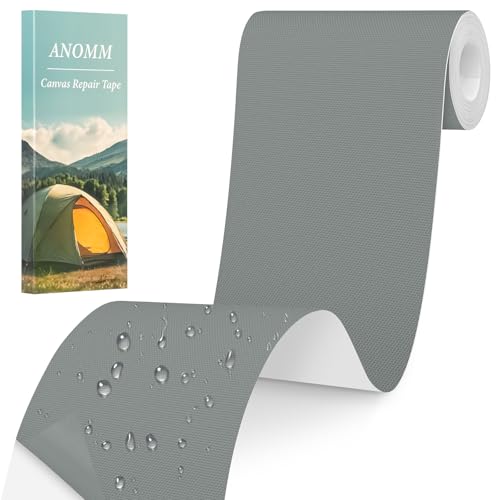



As an Amazon Associate we earn from qualifying purchases.