

Tube-style belay devices are a familiar choice for climbers who want a simple, compact and versatile device for belaying and rappel use. They are common because the basic format is easy to understand, but small design differences can still affect handling, braking feel and the situations each device suits best.
If you are comparing options for gym, wall or crag use, the most useful approach is to start with your rope type, the climbing style you expect and how much control or convenience you want from the device. Specifications vary by model, so always check the individual product page before buying.
This guide focuses on the buying questions that matter most: what the device is for, which features are worth paying attention to, and where the trade-offs usually appear.
What should you look for first in a tube-style belay device?
Start with the rope and the way you plan to use the device, because those two factors quickly narrow the field. After that, compare the handling shape, whether the device is meant for belaying, lowering or abseiling, and how much friction or control it offers with the rope sizes you expect to use. The main trade-off is usually between simplicity and extra control: a more basic design can be straightforward, while a more shaped or feature-led device may feel more controlled in use.
| Feature | What it means | Why it matters | What to check |
|---|---|---|---|
| Device shape | The overall form and how the rope runs through it | Affects handling, smoothness and how predictable the device feels | Look for a shape that suits your preferred style of belaying and rope management |
| Rope compatibility | Which rope diameters and rope types the device is intended to work with | Compatibility is central to safe, comfortable use | Check the listed rope range on the product page and match it to your ropes |
| Braking feel | How much friction and control the device provides | Influences how easy it is to pay out rope, take in rope and control a lower | Consider whether you prefer a smoother or firmer feel |
| Use case | Whether it is aimed more at belaying, lowering or abseiling | Some devices are better suited to particular jobs than others | Confirm the intended use rather than assuming every tube-style device behaves the same |
| Weight and size | How compact the device is in your kit | Matters if you want a light rack or a simple spare device | Check if portability or simplicity is more important to you |
Key decision criteria explained
Rope compatibility
The first check is whether the device suits the ropes you actually use. Rope diameter, rope construction and whether you are using a single or double rope setup can all affect how well a tube-style device feels in practice. The important point is not just whether a rope can physically pass through the device, but whether it is intended to be used that way.
Handling and control
Some tube-style devices feel very simple and direct, while others are shaped to improve grip or braking control. This matters because even a small change in feel can make the device more comfortable for the belayer or easier to manage during longer descents. If you are unsure, compare the product description for clues about added friction, assisted control or a more classic tube layout.
Intended use
Not every device is aimed at the same kind of climbing or rope work. Some are better suited to everyday belaying, while others may be chosen with abseiling or multi-purpose use in mind. A buyer who mainly wants a straightforward indoor belay device may value a different balance of features than someone who expects regular rope descent use.
Durability and finish
For a device that may see frequent use, the quality of the finish and the clarity of the design matter more than decorative details. Smooth rope handling and an easy-to-read profile can be more useful than a complicated appearance. If the product page mentions materials or construction details, use those to compare robustness and weight rather than assuming all tube-style devices are equal.
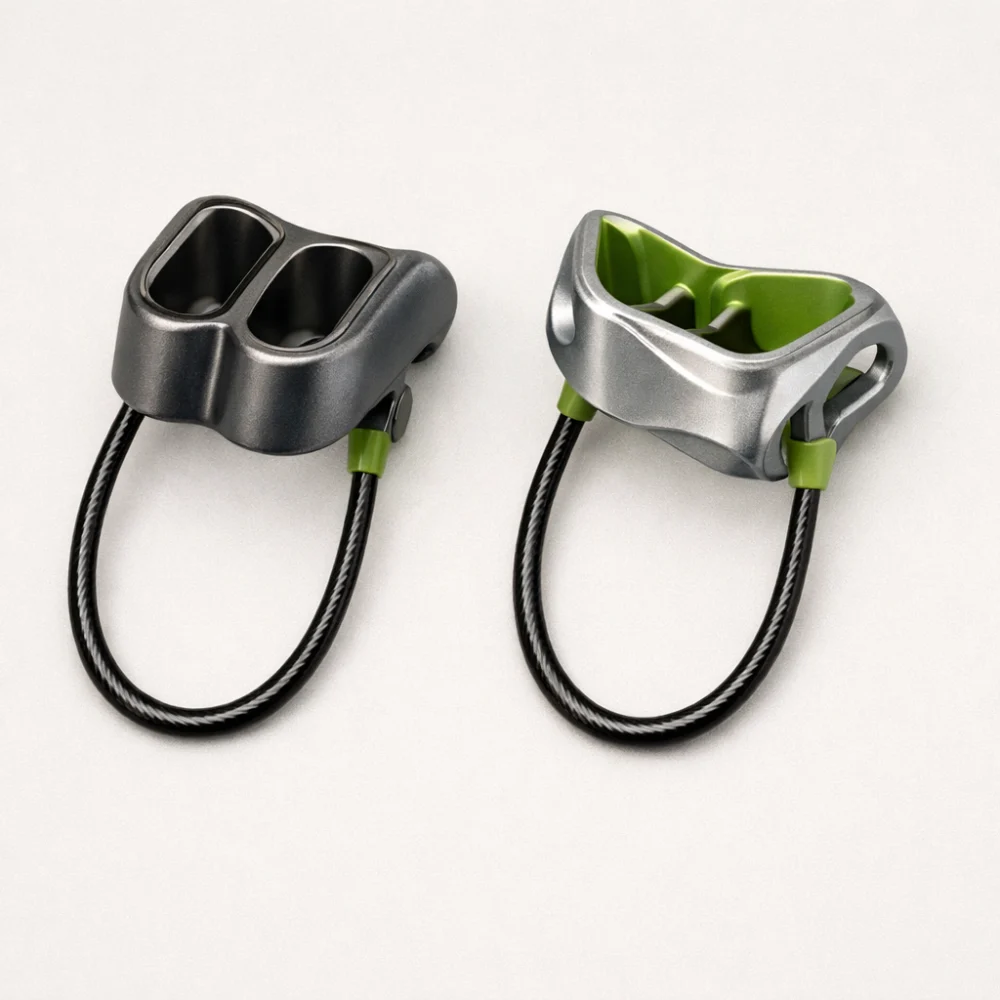
Common tube-style variants
Tube-style belay devices are usually chosen for their general shape and simplicity, but buyers may still see meaningful variation in how they are built and how they behave.
- Plain tube-style devices suit climbers who want a simple, familiar option with minimal complexity.
- Shaped or slot-enhanced devices may offer a more controlled feel or smoother rope management.
- Lightweight compact devices can suit those who want a small, easy-to-carry addition to a climbing kit.
The limitation to keep in mind is that a familiar tube shape does not guarantee the same handling across every product. Small design changes can alter friction and ease of use, so compare the actual product information rather than relying on the category name alone.
Which type suits which buyer?
| Buyer need | What to prioritise | Why |
|---|---|---|
| Beginner or occasional user | Simplicity and clear rope handling | A straightforward device is easier to understand and compare |
| Frequent indoor climber | Comfortable handling and predictable control | Repeated use makes rope feed and braking feel more noticeable |
| Outdoor or multi-use buyer | Versatility and intended-use clarity | You may want a device that suits more than one rope task |
| Buyer replacing an older device | Rope compatibility and preferred braking feel | The best replacement is often the one that matches your current ropes and habits |
Common mistakes and misunderstandings
- Assuming all tube-style devices feel the same. In practice, shape and friction can change the handling noticeably.
- Ignoring rope compatibility. Always check the rope range and intended rope type on the product page.
- Choosing only on compact size. A smaller device is not automatically better if it feels less comfortable in use.
- Mixing up belay and rappel priorities. Some buyers mainly need a belay device, while others want a device that also suits descent use.
Safety and suitability caveats
Because these devices are used in climbing and mountaineering, suitability matters more than styling. Check that the product is intended for the rope system and activity you plan to use, and do not assume a familiar shape makes every model interchangeable. If you are buying for a shared group, a gift or a mixed-experience setting, be especially careful to match the device to the intended ropes and use case.
Maintenance, storage and lifespan considerations
Tube-style belay devices are usually simple to look after, but they still benefit from regular inspection and sensible storage. Keep the device clean enough that rope contact surfaces remain clear of grit, and store it where it will not be knocked about with sharp hardware. If the product page gives material or care information, use that to judge how robust it may be for repeated use.
How to compare options efficiently
- Decide what you need the device to do most often.
- Check that the rope range matches the ropes you use.
- Compare the handling shape and braking feel.
- Look for any intended-use notes that narrow the choice.
- Read the individual product page carefully before you decide.
Summary buyer decision checklist
- Does the device suit your rope type and rope diameter?
- Is the main use belaying, lowering, abseiling or a mix of these?
- Do you prefer a simple tube feel or a more controlled braking feel?
- Is the size and weight appropriate for your kit?
- Have you checked the individual product page for the specific model details?
Frequently asked questions
What is a tube-style belay device used for?
It is used to help manage rope during belaying and, in some cases, lowering or abseiling. The exact use depends on the device design and the rope system it is intended for.
Are all tube-style belay devices interchangeable?
No. They may look similar, but rope compatibility and handling can differ from one model to another. Check the product page rather than assuming the same feel or use case.
Do I need a tube-style device if I already have another belay device?
That depends on what you want from the replacement or extra device. Some buyers want a simple backup, while others prefer a different handling feel for a particular rope or style of climbing.
What matters more, shape or rope compatibility?
Rope compatibility comes first, because the device has to suit your rope setup. Shape then becomes the main factor for comfort, handling and how the device feels in use.
Is a smaller device always better?
Not necessarily. A compact device can be convenient, but handling and control matter more than size alone. Choose the device that suits your rope use and preferred feel.
How can I compare two similar-looking devices?
Look at the rope range, intended use, braking feel and any design notes in the product description. Those details often matter more than the general category name.