

Wading boots are made for anglers who need more secure footing and support in wet, uneven places. The right pair can make walking to the water, standing for longer periods and moving over slippery ground feel more manageable.
This guide helps you compare the features that matter most without getting distracted by details that do not always change how a boot performs for your needs. It is especially useful if you are replacing an older pair, choosing boots to go with waders, or buying for a particular style of fishing.
Because fit, sole type and support can vary, the best choice is usually the one that suits your terrain and the waders you plan to wear with them. Specifications vary by model, so always check the individual product page before buying.
What should you look for in wading boots?
The best starting point is fit and traction, then move on to support, weight and how easy the boots are to wear for a full session. If you fish in mixed conditions, think about the surfaces you actually walk on rather than focusing on one feature alone. A boot that feels comfortable on a shop floor may still be tiring if it lacks support or is not suited to the ground underfoot.
| Feature | What It Means | Why It Matters | What To Check |
|---|---|---|---|
| Fit with waders | How well the boot works with the foot section of your waders and your usual socks | Too much or too little room can affect comfort and walking confidence | Check sizing guidance and whether the boot is intended to be worn over wader socks |
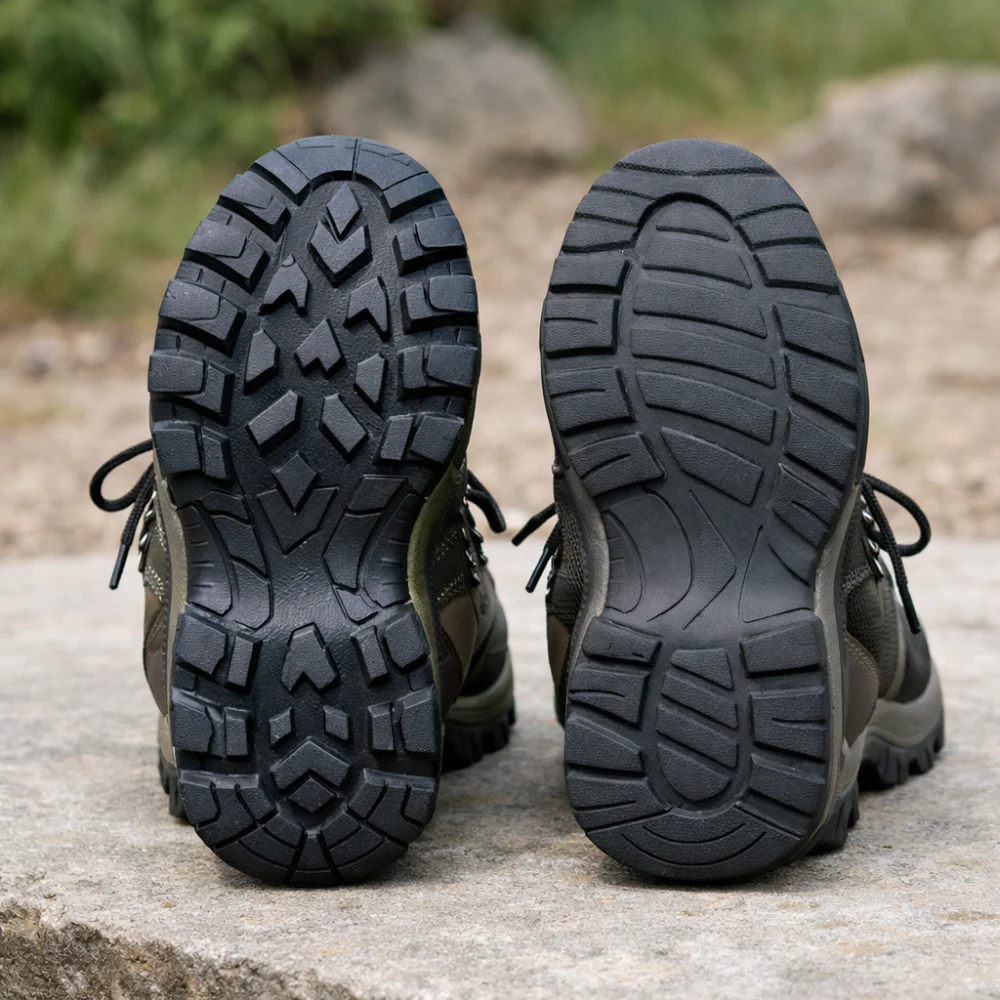
| Sole type | The style of outsole designed for different kinds of ground | Different surfaces can call for different grip characteristics | Look at the intended terrain and any notes about surface suitability |
| Ankle support | How much structure the boot gives around the ankle and midfoot | More support can feel steadier on uneven banks and rocky paths | Compare the boot’s support level with how much walking you expect to do |
| Weight and flexibility | How heavy and stiff the boot feels when moving | Lighter boots may feel easier to wear, while sturdier boots may feel more supportive | Consider whether comfort over distance or extra structure matters more |
| Drainage and drying | How quickly water can leave the boot after use | Helps with day-to-day convenience and storage between sessions | Check the design notes for any drainage or drying features |
| Durability cues | Visible signs of build quality and wear resistance | Useful if you fish often or walk over rough ground | Look for reinforced areas and materials described on the product page |
Key decision criteria explained
Fit and sizing
Fit is one of the most important choices because wading boots are usually worn with waders and thicker socks, which can change the feel considerably. A pair that is too tight can feel restrictive, while a pair that is too loose may reduce stability and increase rubbing. When comparing options, look for any sizing advice and think about the socks or wader feet you will use with them.
Traction for the ground you fish
Different fishing spots place different demands on the sole. Smooth banks, muddy tracks, rocks and mixed terrain can all favour different traction characteristics, so it helps to think about your most common conditions first. Do not assume one sole style suits every environment equally well.
Support and stability
Support matters if you walk long distances, carry kit or move across uneven ground. A more structured boot may feel reassuring on rough terrain, while a more flexible boot may feel less tiring for shorter sessions. The trade-off is that extra support can sometimes mean a more substantial feel on the foot.
Comfort over a session
Comfort is not just about softness underfoot. It also includes how the boot sits around the ankle, whether it rubs, and whether it still feels manageable after standing or walking for a while. If you are likely to be out for longer sessions, small comfort differences can matter more than they first seem.
Drying and storage practicality
Wading boots are used in wet conditions, so how they dry and store is part of the buying decision. Some buyers prefer boots that feel easier to rinse and dry between outings, especially if they fish regularly. Consider how much space you have for airing and storing them after use.
Product types and variants
Within this category, the main differences are usually about sole design, support level and overall build. Some boots are aimed more at walking comfort and general use, while others are designed to feel more secure on uneven or demanding ground. Rather than looking for a single “best” type, match the boot to where and how you fish.
- More supportive boots: suitable if you want extra structure and steadiness, especially for longer walks or rougher banks.
- Lighter-feeling boots: may suit shorter sessions or buyers who value ease of movement over a more substantial build.
- Terrain-focused boots: useful when your usual fishing ground has a clear surface type or traction need.
Which features matter most for different buyers?
| Buyer need | Features to prioritise | Why this helps |
|---|---|---|
| Frequent walker | Support, comfort and a secure fit | Helps the boots feel steadier and less tiring over distance |
| Occasional angler | Comfort, ease of use and sensible sizing | Makes the boots straightforward to put on and wear when needed |
| Mixed-terrain fishing | Traction, stability and balanced support | Provides a more versatile feel across changing surfaces |
| Replacement buyer | Fit with existing waders and similar wear feel | Reduces the chance of ending up with boots that do not suit your current setup |
| Gift buyer | General comfort, adaptable sizing guidance and practical design | Helps avoid over-committing to a very specific style without enough information |
Common mistakes and misunderstandings
- Choosing only by appearance: wading boots need to work on wet, uneven ground, so use fit and traction as the main checks.
- Ignoring the waders: the boot has to work with the wader foot and your socks, not just with your usual shoe size.
- Overlooking walking distance: a boot that seems fine for short use may feel different after a longer approach to the water.
- Assuming one sole suits every surface: your local ground conditions should guide the decision more than a general description.
Safety and suitability caveats
Wading boots are part of a broader fishing setup, so suitability depends on the conditions where you plan to use them. A boot may be comfortable and still not be the right choice for every bank, path or riverbed. Check the product information carefully and make sure the size, support level and intended use fit your own conditions.
They are not a substitute for sensible judgement around slippery or uneven terrain. If you fish in changing conditions, give extra weight to stability and the kind of ground you expect to cross most often.
Maintenance, storage and lifespan considerations
General care can affect how well wading boots stay comfortable and usable. Rinsing off mud or grit after use and letting them dry fully before storage can help them stay in better condition. If the product page mentions special materials or cleaning guidance, it is worth following that advice.
How often you fish, the surfaces you walk over and how you store the boots all influence wear over time. If you want a pair to last well in regular use, choose a build that looks appropriate for the amount of walking and wet use you expect.
How to compare options efficiently
- Start with where you fish most often and the kind of ground you walk on.
- Check how the boots are intended to fit with waders and socks.
- Compare traction, support and comfort rather than focusing on one feature alone.
- Think about whether you want a lighter-feeling boot or a more structured one.
- Read the individual product page carefully before deciding.
Summary buyer decision checklist
- Does the sizing guidance suit your waders and socks?
- Is the sole style appropriate for your usual terrain?
- Do you need more support or a lighter-feeling boot?
- Will the fit stay comfortable for the length of your sessions?
- Have you checked any care or drying guidance on the product page?
Frequently asked questions
Do wading boots need to be the same size as my normal shoes?
Not necessarily, because they are often worn with waders and thicker socks. The most useful approach is to follow the sizing guidance on the individual product page and think about the full setup you will wear with them.
Are all wading boots suitable for every fishing surface?
No, and that is why it helps to think about the terrain first. Some boots are likely to suit certain ground conditions better than others, so check the product description for the intended use and compare that with your usual fishing spots.
Is more support always better?
Not always. Extra support can feel more secure on rough ground or during longer walks, but a lighter or more flexible boot may feel easier for shorter sessions. The right balance depends on how and where you fish.
What should I check before buying as a replacement?
Compare the new pair with the fit and feel of your current boots, then check whether they will work with your waders and socks. It is also worth considering whether your current boots were comfortable because of the sizing, the sole type or the amount of support they gave.
How important is drying time?
It matters more if you fish often or store your boots between sessions in a confined space. Boots that are easier to rinse and dry can be more convenient, especially when wet kit needs to be ready again soon after use.
Can one pair do everything?
Some pairs may feel versatile, but there is usually a trade-off between different needs such as support, weight and terrain focus. It is better to choose a pair that suits your most common conditions than to expect one boot to excel everywhere.