

Waterproof camera pouches are for people who want to protect a camera or camera-related kit from wet conditions without carrying a larger bag than necessary. They are often chosen for trips near water, changeable weather, or any situation where quick access matters as much as splash protection.
The main buying challenge is not just whether a pouch is waterproof, but whether it suits the shape, size and handling needs of your camera. Some buyers want a simple protective layer for transport, while others need something that allows faster access or easier carrying. Specifications vary by model, so always check the individual product page before buying.
Because this category sits between general dry storage and more specialised camera carrying options, it helps to be clear about what you need to protect, how often you need to reach it and how much convenience you are willing to trade for protection.
Compare Waterproof Camera Pouches
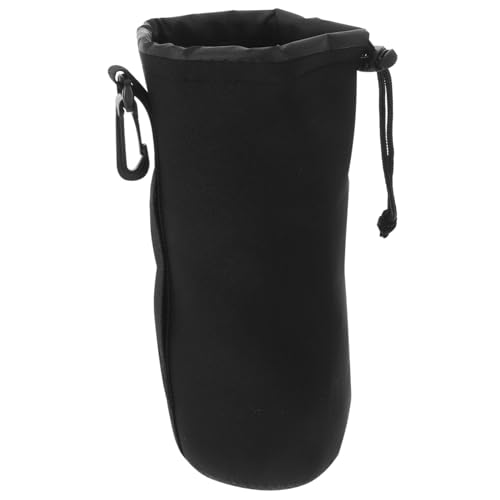


As an Amazon Associate we earn from qualifying purchases.
What should you look for in a waterproof camera pouch?
The best starting point is fit. A pouch that is too tight may be awkward to use, while one that is too loose can make the contents shift more than you want. After fit, look at how the opening seals, how easy it is to access the camera, and whether the pouch is meant mainly for storage, transport or active use.
The key trade-off is usually protection versus speed. More secure closures and tighter protection can be less convenient when you need to get the camera out quickly. A simpler pouch may be easier to use, but may not suit every wet or rough setting.
| Feature | What It Means | Why It Matters | What to Check |
|---|---|---|---|
| Fit and internal space | How closely the pouch matches the size of the camera or kit | A proper fit helps prevent excess movement and awkward packing | Check the intended device size, internal shape and whether accessories need space too |
| Closure style | The way the pouch seals to keep out water and dirt | It affects how secure the pouch feels and how quickly you can open it | Look at how the closure works and whether it suits your planned use |
| Access speed | How quickly you can remove or return the camera | Important if you need to react quickly to changing conditions or moments | Consider opening size, closure steps and whether one-handed access matters |
| Carrying method | How the pouch is held, worn or stored | Comfort and convenience matter on longer outings | Check straps, handles or attachment options if they are relevant to your use |
| Protection level | The overall degree of resistance to water, spray and general outdoor wear | Different buyers need different levels of reassurance | Read the product page carefully and match the pouch to your actual conditions |
Key decision criteria
Size and camera shape
Camera pouches are not all designed around the same shape. A compact camera, action camera, mirrorless body or camera plus accessory may each need a different kind of internal layout. The important question is whether the pouch can hold your kit comfortably without forcing it into place.
If you want to carry extras such as a battery, cable or memory card, check whether the pouch has room for them or whether it is intended for the camera alone.
Water protection versus everyday convenience
Some buyers want a pouch mainly for brief exposure to rain or spray, while others want stronger reassurance for trips near water. The more protection-focused the design, the more careful you may need to be about opening and closing it efficiently. Decide how much convenience you are prepared to give up for a stronger barrier.
Closure and opening design
The way a pouch opens affects both confidence and usability. A simpler opening can be easier to live with, but may offer less of a barrier against wet conditions. More involved sealing methods can improve protection, but they may be slower when you are trying to keep up with the moment.
Carrying and handling
Think about how you will actually use the pouch outdoors. If it will live inside a larger bag, handling is less important than if you plan to carry it on its own or reach into it often. A comfortable strap or easy-grip design can make a noticeable difference on longer trips.
Types and variants you may see
Within this category, the biggest differences are usually about format rather than dramatic feature changes. Some pouches are made for straightforward storage and weather protection, while others are shaped more for quicker access or easier carrying.
A simple protective pouch may suit casual use, short outings or extra security inside another bag. A more access-focused design may suit people who need to reach the camera more often, but that convenience can come with a smaller margin for error when conditions are wet.
Which pouch suits which buyer?
| Buyer need | More suitable characteristics | Why this matters |
|---|---|---|
| Casual day trips | Simple fit, easy opening, light carry | Comfort and convenience may matter more than maximum protection |
| Wet-weather outings | Stronger-seeming closure, secure enclosure, good fit | Protection against rain and spray is a higher priority |
| Frequent camera access | Fast opening, practical handling, manageable size | You need to reach the camera without making the pouch cumbersome |
| Transport inside another bag | Compact shape, protective padding or enclosure where relevant | The pouch may act as an extra layer rather than the main carry solution |
| Minimalist packing | Low bulk, straightforward design, no unnecessary extras | Smaller gear systems are easier to manage on the move |
Common mistakes and misunderstandings
- Assuming all waterproof pouches are the same. They can differ in shape, access and the level of protection they are intended to provide.
- Choosing by size alone. A pouch may fit the camera but still be awkward if the opening or closure does not suit how you work.
- Overlooking how often you need access. A protective pouch that is frustrating to open can become inconvenient very quickly.
- Expecting a pouch to replace every other camera carry solution. Some are better as protective storage, while others are more suited to active use.
Safety and suitability caveats
It is sensible to match the pouch to the conditions you actually expect, not the worst case you can imagine. If your camera setup is large, irregular or fitted with accessories, check that the pouch is intended for that kind of use rather than relying on general size descriptions alone.
Do not assume that a pouch designed for one type of device will suit every camera format. If you are unsure, compare the product page details carefully with your own kit.
Maintenance, storage and lifespan considerations
General care is usually straightforward, but it still matters when choosing. A pouch that is easy to wipe clean and dry may be simpler to live with after wet outings. If you expect to pack and unpack often, think about how the closure, seams and opening will cope with regular use.
When not in use, store the pouch clean and fully dry where possible. That helps it stay more pleasant to handle and avoids carrying moisture into your camera kit the next time you use it.
How to compare options efficiently
- Start with the camera or kit you want to protect.
- Decide whether your main need is transport, weather protection or frequent access.
- Compare size, closure style and carrying method first.
- Think about the trade-off between stronger protection and quicker handling.
- Check the individual product page for the details that matter to your setup.
Summary buyer decision checklist
- Will the pouch fit the camera and any essential extras?
- Is the closure style suitable for the conditions you expect?
- Do you need fast access or mainly secure storage?
- Will you carry it on its own or inside another bag?
- Does the design suit how often you will use it?
- Have you checked the individual product page for any model-specific details?
Frequently asked questions
Is a waterproof camera pouch the same as a dry bag?
Not necessarily. A dry bag is usually a more general storage solution, while a camera pouch is more likely to be shaped or arranged around camera use. The right choice depends on whether you want general protection or a pouch that is easier to live with for camera access.
Can I use a waterproof camera pouch for other items?
Sometimes, but only if the size and shape make sense. It is usually better to choose for the item you most need to protect rather than assuming a pouch will work well for everything.
Do I need a pouch with the strongest possible closure?
Not always. If you only need light weather protection or transport inside another bag, a very heavy-duty closure may be more than you need. Balance protection against how quickly and easily you want to use the pouch.
How do I know if the fit is right?
Compare the product page details with the camera or accessory you plan to carry. Look beyond general size language and check whether the pouch seems designed for your type of kit and the way you pack it.
What should I prioritise if I need quick access?
Focus on opening size, closure simplicity and the way the pouch handles in your hand. A design that is slightly less protective on paper may still be the better choice if you need to reach the camera often.
Are waterproof camera pouches a good choice for travel?
They can be, especially when you want compact protection and a simple carry solution. The main question is whether the pouch will keep your camera protected while still being easy enough to use throughout the trip.
More Waterproof Camera Pouches
See all 80 Waterproof Camera Pouches →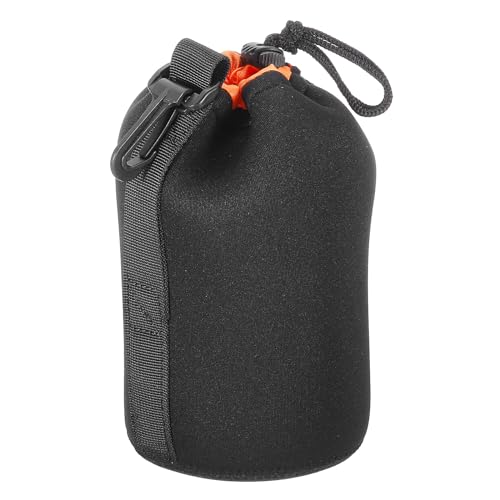


As an Amazon Associate we earn from qualifying purchases.