


Women’s golf gloves are a small part of your kit, but they can make a noticeable difference to grip, comfort and confidence through the swing. The right choice depends on how you like the glove to feel, how often you play and whether you want one glove for practice, rounds or changing weather.
Because glove preferences are personal, the main job is to narrow down the fit, material and level of grip you want. That is usually more useful than chasing features that sound impressive but do not matter for your own use.
If you are buying for the first time, start with fit and feel before anything else. Specifications vary by model, so always check the individual product page before buying.
Compare Women's Golf Gloves

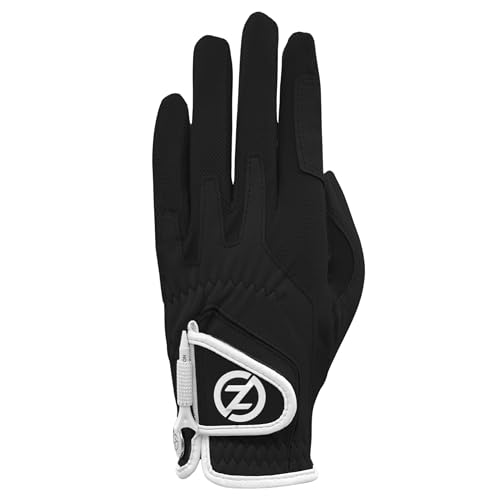

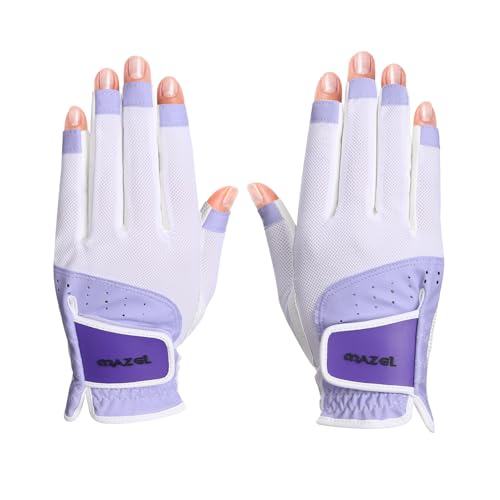
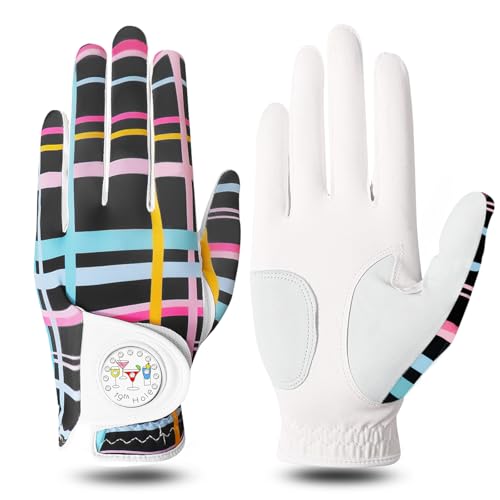

As an Amazon Associate we earn from qualifying purchases.
What should you look for in women’s golf gloves?
The best starting point is a glove that fits cleanly, feels comfortable in the hand and matches the conditions you play in. A snug fit usually matters more than extra details, because a glove that twists, bunches or feels bulky can distract you during the swing.
From there, compare the material, breathability, grip texture and how easy the glove is to take on and off. The right balance depends on whether you want a softer feel, more consistent grip or a glove that handles frequent use more comfortably.
| Feature | What it means | Why it matters | What to check |
|---|---|---|---|
| Fit | How closely the glove follows the shape of your hand | Fit affects comfort, feel and whether the glove stays stable during a swing | Look for a close fit without pinching, bunching or loose fingertips |
| Material | The main glove material or blend | Material influences softness, durability and the overall feel on the club | Check the product page for the stated material and any comfort-related details |
| Grip feel | The surface contact you feel between glove and club | Grip can affect confidence, especially if you prefer a secure hold | Consider whether the glove is described as designed for grip, feel or all-round use |
| Breathability | How readily air can move through the glove | More breathability can help with comfort in warmer conditions or during long rounds | Look for mentions of ventilation, perforation or lighter construction where relevant |
| Closure | How the glove fastens around the wrist | The closure affects adjustability and how firmly the glove sits in place | Check that the fastening feels easy to adjust and secure for your preference |
| Hand orientation | Which hand the glove is meant to be worn on | Golf gloves are usually worn on one hand, so the correct side matters | Confirm whether the product is for left-hand or right-hand wear |
Fit and sizing: the first decision to get right
A golf glove should feel close-fitting, but not restrictive. If it is too tight, it may feel uncomfortable and reduce ease of movement; if it is too loose, it can feel less controlled and may shift during play.
Pay attention to how the glove sits across the fingers, palm and wrist rather than only the overall size label. Hand shape varies, so a good-looking size on paper is not always the best choice in practice.
Why fit is more important than extras
Small design details are useful only if the glove already fits well. A glove with added features will still feel disappointing if the fingers are too long, the palm is baggy or the closure does not sit comfortably.
Material and feel
Material choice often comes down to preference. Some buyers want a softer, more natural feel, while others prefer something that feels more structured or durable for regular rounds and practice.
Think about what you notice most when you hold the club. If touch and sensitivity matter, focus on a glove that aims to preserve feel. If your priority is everyday practicality, look for materials and construction that suit repeated use.
Comfort in different conditions
Golf gloves can feel very different depending on temperature, moisture and how long you wear them. A glove that feels fine on a dry short round may feel less comfortable during warmer or damper conditions.
If you play often in changeable weather, it helps to think about breathability and how quickly the glove may feel damp or worn in. That does not mean you need the lightest option available, but it does mean comfort should be considered alongside grip.
Types and variants within the category
Within women’s golf gloves, the most practical differences are usually in fit, material and construction rather than in dramatic product types. That means the buying choice is often about choosing the most suitable version of a familiar item, not comparing completely different categories.
- All-round gloves: a sensible choice for most buyers who want a balanced feel and straightforward use.
- Grip-focused gloves: may suit players who prioritise a more secure feel in the hand.
- Comfort-focused gloves: may suit buyers who want a softer feel or plan to wear the glove for longer sessions.
Which version suits you best depends on how you play and what you notice most when holding the club.
Choosing based on your needs
| Buyer need | What to prioritise | Why |
|---|---|---|
| First-time buyer | Fit, clear sizing and easy comfort | The simplest choice is often the one that feels secure without needing adjustment |
| Frequent golfer | Material, durability and comfort over time | Regular use puts more emphasis on how the glove feels after repeated wear |
| Warm-weather player | Breathability and lighter feel | Comfort matters more when heat and moisture can build up |
| Player focused on grip | Grip feel and close palm contact | A stable feel can help the glove feel more connected to the club |
| Gift buyer | General fit guidance and versatile styling | If you do not know the recipient’s preference, a straightforward all-round option is usually easier to judge |
Common mistakes to avoid
- Choosing by appearance alone: a glove that looks good but does not fit well is unlikely to feel right in play.
- Ignoring hand orientation: the glove needs to suit the hand it is intended for, so check this before buying.
- Overlooking comfort in use: a glove that feels fine when held still may feel different once you are gripping a club.
- Assuming one feature solves everything: grip, breathability and softness all matter, but no single detail replaces a good overall fit.
Suitability and buying caveats
Women’s golf gloves are mainly about comfort, control and preference, not complex technical specification. That makes them fairly straightforward to buy, but it is still worth checking the product page carefully for hand side, sizing guidance and any material details that matter to you.
If you have especially sensitive preferences around fit or feel, it is sensible to be cautious rather than assuming a standard size label will work the same way across different products.
Care, storage and everyday use
Gloves generally last better when they are kept clean, allowed to dry properly and stored without being crushed. If you play regularly, it can help to think of them as a wear item rather than a permanent one, especially if you choose a softer feel.
How often a glove needs replacing depends on use, conditions and how it is handled, so there is no single lifespan to expect. If you are comparing options, it can be sensible to balance comfort against the level of use you expect.
How to compare options efficiently
- Decide whether your main priority is comfort, grip or all-round use.
- Check the fit guidance and confirm the glove is for the correct hand.
- Compare the material and construction for the feel you want.
- Think about the conditions you usually play in, especially warmth and moisture.
- Read the individual product page carefully before deciding.
Summary buyer checklist
- Does the glove fit closely without feeling restrictive?
- Is it for the correct hand?
- Does the material suit the feel you prefer?
- Will the glove work well in the conditions you usually play in?
- Does the product page give enough sizing and construction detail for you to judge it confidently?
Frequently asked questions
Do women’s golf gloves have to be a perfect fit?
They should be close-fitting rather than loose. A glove that is too large can feel less controlled, while one that is too small may feel uncomfortable and distracting. The best fit is usually the one that feels secure without pinching or bunching.
Should I choose one glove or think about buying more than one?
That depends on how often you play and how quickly you like to swap gloves between rounds or conditions. Many buyers start with one and then decide whether they want a spare for convenience or changing weather. The key point is to choose the right fit first.
Is material or fit more important?
Fit usually comes first because even a good material will not feel right if the glove is the wrong size or shape. After that, material helps determine comfort, feel and how suitable the glove is for your playing habits.
What should I check if I am buying as a gift?
If you are unsure, focus on the correct hand, a sensible size choice and a straightforward all-round style. It is harder to judge very personal preferences such as softness or grip intensity, so versatile choices are often easier.
Do all golf gloves feel the same once worn?
No, small differences in fit, material and construction can change the feel noticeably. Some gloves feel softer or more structured, while others prioritise breathability or grip. That is why the product page details matter.
How do I know whether a glove is suitable for regular play?
Look for a product that gives you the fit, comfort and grip balance you want for repeated use. If you play often, durability and day-to-day comfort matter more than a glove that only feels right in the short term.
More Women's Golf Gloves
See all 127 Women's Golf Gloves →


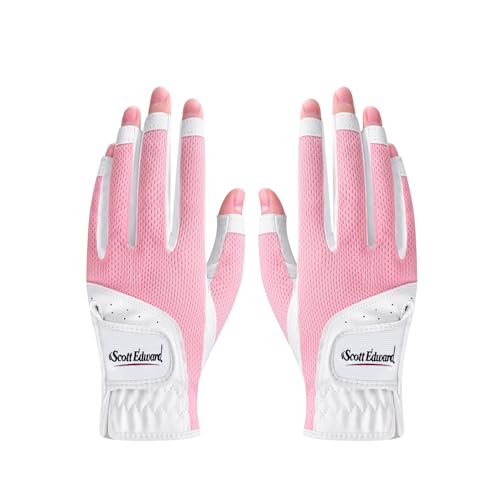
As an Amazon Associate we earn from qualifying purchases.