


Women’s insulated gilets are a useful mid-layer when you want core warmth without full sleeves. They suit walkers, commuters, dog owners and anyone who likes a bit of extra insulation while keeping arms free.
The main decision is less about looks and more about where and how you will wear it. A gilet can be lightweight and packable for changeable weather, or warmer and more structured for colder days, so it helps to compare insulation, fit and outer fabric carefully.
Used well, an insulated gilet can bridge the gap between a fleece and a heavier jacket. The right choice depends on how much warmth you need, how active you are and whether you want something easy to layer.
Compare Women’s Insulated Gilets

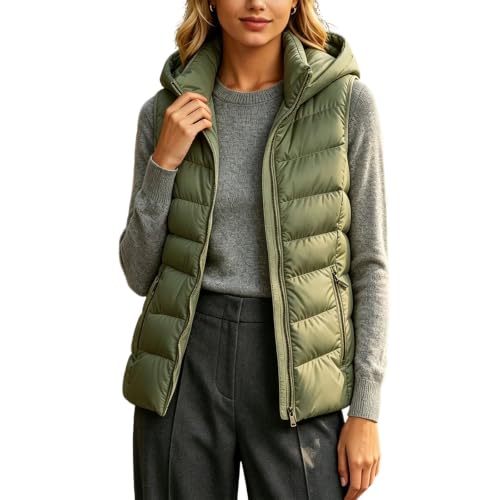

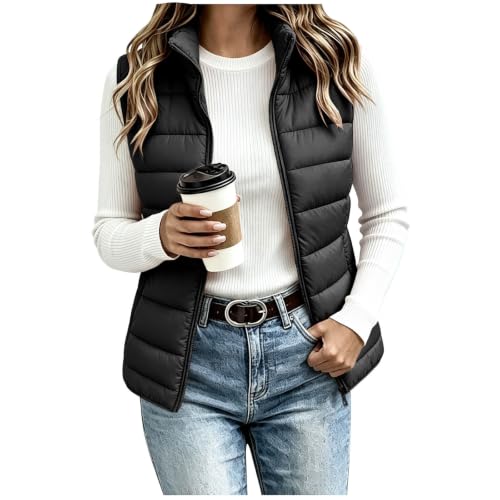


As an Amazon Associate we earn from qualifying purchases.
What is the right women’s insulated gilet for your needs?
A good starting point is to match the gilet to your usual conditions and layering habits. If you want a simple extra layer over a top or under a coat, look for a lighter, low-bulk option; if you expect colder outings, a more substantial insulated style may make more sense. The main trade-off is warmth versus freedom of movement and packability.
Specifications vary by model, so always check the individual product page before buying.
| Feature | What It Means | Why It Matters | What To Check |
|---|---|---|---|
| Insulation level | How much warmth the gilet is designed to provide | Affects comfort in cool or cold conditions | Whether the style is aimed at light layering or more noticeable warmth |
| Bulk and packability | How compact the gilet feels and how easily it stows away | Important for travel, commuting and variable weather | Whether it is described as lightweight, packable or more structured |
| Fit and layering room | How the gilet sits over other clothing | Too snug can limit layering; too loose can feel less efficient at trapping warmth | Neckline, hem shape and whether you plan to wear thick jumpers underneath |
| Outer fabric finish | The surface material and whether it is built for everyday wear or more outdoor use | Helps indicate how well it may suit walking, commuting or casual use | Any mention of water resistance, wind protection or durability |
| Pockets and collar | Practical details that affect comfort and convenience | Useful for hands, small essentials and extra neck warmth | Placement of pockets and whether the collar sits high enough for your preference |
Key decision criteria
Warmth level
Insulated gilets vary in how much heat they hold in. Some are designed as light everyday layers, while others are better when you want more core warmth outdoors. Think about whether you are mainly filling a gap between seasons or looking for a layer that helps on colder walks.
Layering and fit
Because a gilet leaves the arms free, fit is important. A cut that is too close may restrict movement over knitwear, while a boxy fit may feel less tidy under a jacket. Check how the product is shaped around the shoulders, chest and hem, especially if you plan to wear it over thicker tops.
Weight and ease of carrying
Many buyers want an insulated gilet because it is easier to carry than a full jacket. If that matters to you, look for descriptions that suggest lightweight construction or packable design. If you care more about steadier warmth than stowing it away, a less compressible style may still be the better choice.
Outer fabric and everyday use
The outer material affects how the gilet feels in real life, not just how it looks. A smoother outdoor fabric may suit active use and changeable weather, while a softer everyday finish may be better for casual wear. Check whether the product page mentions any weather resistance, but avoid assuming that all insulated gilets are suitable for wet conditions.
Details that change comfort
Small features can make a surprisingly big difference. Pockets, zip placement, collar height and hem shape all affect how easy a gilet is to wear. These details matter most if you expect to wear it often rather than only occasionally.
Types and variants within the category
Women’s insulated gilets usually fall into a few practical styles. Some are lightweight and easy to layer, some have a more quilted look, and some are designed with a softer everyday feel. The right variant depends on whether your priority is warmth, neat layering or general versatility.
Lightweight styles are often the easiest to wear on variable days, but they may not feel as warm on their own. More structured styles can feel cosier, yet they may take up more room under a shell jacket. Quilted designs often sit somewhere in between, offering a familiar balance of shape and insulation.
Which buyer need does each style suit?
| Buyer need | Useful features | Main trade-off | Best thing to check |
|---|---|---|---|
| Everyday layering | Lightweight feel, tidy fit, easy zip front | May give less warmth than heavier styles | How well it sits over your usual tops |
| Walking and outdoor use | Practical pockets, comfortable collar, durable outer fabric | May feel less soft or less dressy | Weather-related wording and pocket layout |
| Travel and commuting | Packable construction, low bulk, easy layering | Compact styles can be less insulating | Whether the gilet is described as packable or lightweight |
| Extra warmth indoors or in mild weather | Moderate insulation, simple design, comfortable fit | Too much bulk can feel unnecessary | Overall thickness and neckline comfort |
Common mistakes and misunderstandings
- Assuming all insulated gilets are equally warm. They are not. Look at the intended feel of the garment and decide whether you need a light layer or something more substantial.
- Choosing a size only for a base layer. If you want to wear it over jumpers or thicker tops, allow room for layering.
- Ignoring the collar and arm opening shape. These affect comfort more than many buyers expect, especially if you wear the gilet often.
- Expecting the same weather performance from every style. Some are mainly for insulation, not for wet or windy conditions, so check the description carefully.
Safety and suitability caveats
For clothing like this, the main caution is suitability rather than risk. Make sure the gilet matches the conditions you actually plan to wear it in, and do not assume a warm-looking style will handle rain or strong wind unless the product information says so. If you are buying for layered outdoor use, check the fit and fabric details rather than relying on appearance alone.
Maintenance and storage considerations
Insulated gilets are usually easier to manage than more technical outerwear, but care still matters. Check the care guidance on the individual product page because outer fabric and fill can affect washing and drying needs. When not in use, store the gilet so it is not left compressed for long periods, especially if you want it to keep its shape.
How to compare options efficiently
- Decide whether you need light layering, everyday warmth or a more outdoor-focused gilet.
- Check fit first, especially if you plan to wear it over jumpers or under a jacket.
- Compare insulation, bulk and packability against how you will actually use it.
- Look at practical details such as pockets, collar height and hem shape.
- Read the individual product page for any weather-related wording and care information.
Summary buyer decision checklist
- Will I wear this as a layering piece or as my main extra warmth layer?
- Do I want a lightweight, packable feel or a more substantial gilet?
- Have I allowed enough room for the layers I normally wear underneath?
- Do the pockets, collar and zip style suit how I will use it?
- Have I checked the product page for care details and any weather-related claims?
Frequently asked questions
What is the main benefit of an insulated gilet?
The main benefit is core warmth without restricting your arms. That makes it useful for layering and for days when a full jacket feels too much. It is especially handy when you want flexibility rather than maximum coverage.
Are insulated gilets good for layering?
Yes, that is one of their main strengths. They work well over tops, jumpers and mid-layers, or under a shell jacket when the fit allows it. The key is choosing a size and shape that leaves enough room for what you will wear underneath.
What is the difference between an insulated gilet and a fleece gilet?
An insulated gilet is generally chosen for added warmth, while a fleece gilet is often valued for softness and easy layering. Fleece can feel cosier in milder conditions, but insulated styles may offer a more noticeable warmth boost. The better choice depends on how much warmth you want and how you plan to wear it.
Should I choose a lightweight or more substantial style?
Choose lightweight if you want easy layering, travel convenience or a piece you can wear often without feeling bulky. Choose a more substantial style if warmth matters more than packability. The right answer usually depends on your climate and how cold you personally feel outdoors.
Can I wear an insulated gilet in wet weather?
Sometimes, but not all styles are designed for it. Check the product information for any water-resistant or weather-related wording rather than assuming the gilet will cope with rain. For genuinely wet conditions, the outer layer matters as much as the insulation.
How should I judge the fit if I am buying online?
Think about the layers you will wear underneath and whether you want room for movement. A gilet that feels neat over a thin top may feel too close over a jumper, so comparing sizing notes and garment shape is helpful. If you are between sizes, the intended layering use should guide the choice.
Compare the insulation, not just the appearance
Where the product information identifies the fill, compare that alongside the garment’s cut and construction. Down insulation is often valued for warmth with relatively little weight, while synthetic fill can be a practical choice in changeable, damp conditions; the exact performance depends on the garment and its construction. Neither label alone tells you how warm a gilet will feel, so consider the intended use and check the product details, including care guidance, before choosing.
More Women’s Insulated Gilets
See all 270 Women’s Insulated Gilets →


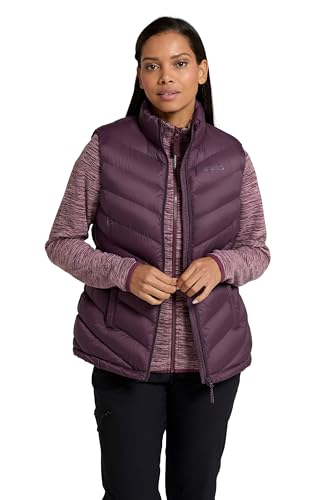
As an Amazon Associate we earn from qualifying purchases.