

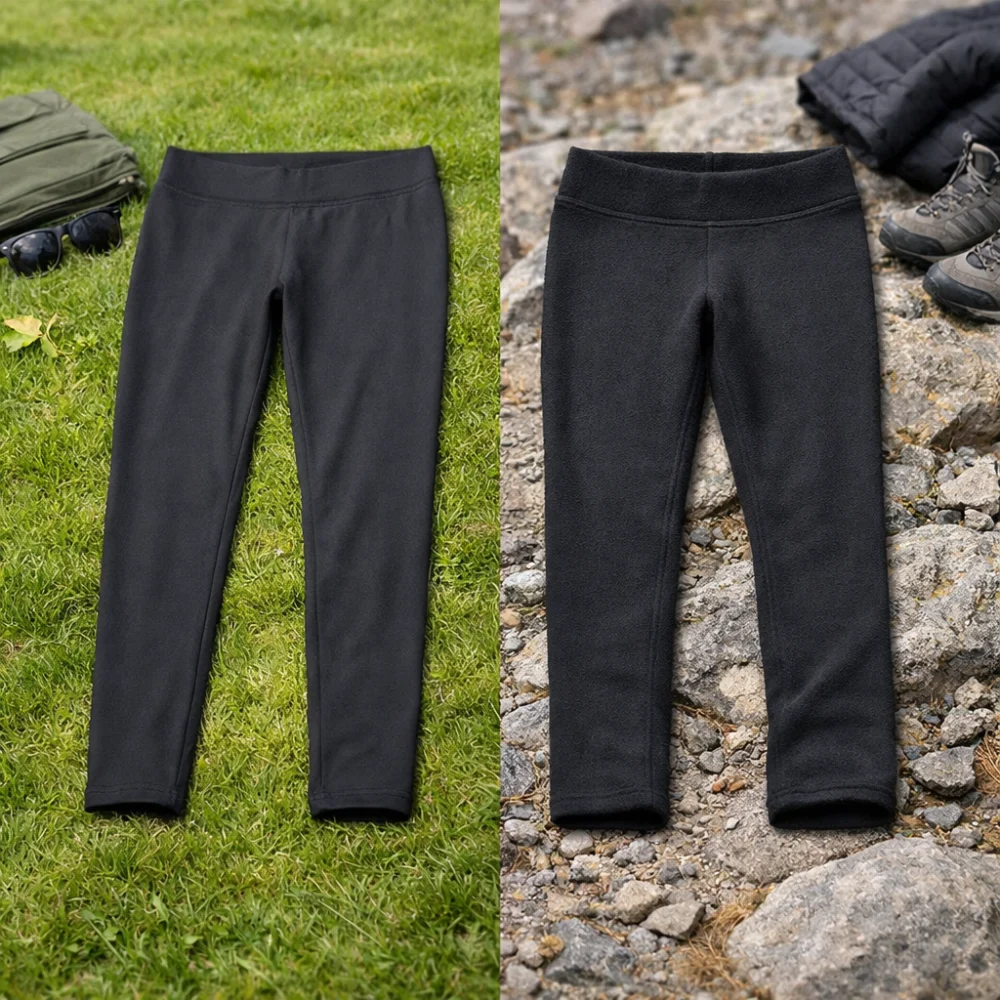
Women’s outdoor leggings and tights are a practical choice when you want close-fitting legwear that moves easily and feels comfortable outdoors. They can suit walking, travel, layered winter wear and everyday active use, but the right choice depends on where you will wear them and how much coverage or warmth you need.
Because styles vary, it helps to compare the intended use first rather than just the look. Some options are better for lighter activity and flexible layering, while others are designed to feel warmer or more substantial in cooler conditions.
What should you look for first?
Start with the main job the leggings or tights need to do: keep you comfortable, give enough coverage and match the weather you expect. The biggest trade-off is usually between lighter, more breathable options and thicker, warmer styles that can feel less airy. Fit matters just as much as fabric, because leggings that pinch, slip or sit awkwardly are rarely comfortable for long wear.
Specifications vary by model, so always check the individual product page before buying.
| Feature | What it means | Why it matters | What to check |
|---|---|---|---|
| Fabric weight and warmth | How light or substantial the material feels | Helps match the garment to mild, cool or colder conditions | Look for the description of warmth, lining or thermal feel |
| Fit and stretch | How closely the item follows the body and moves with it | Affects comfort, freedom of movement and whether the leggings stay in place | Check size guidance, stretch claims and any notes about rise or shaping |
| Coverage | How opaque and secure the fabric feels in wear | Important for confidence, bending, stretching and everyday outdoor use | Read the product details and reviews where available for reassurance on coverage |
| Waistband style | How the waist is shaped and supported | Can influence comfort during longer walks or all-day wear | See whether the waistband is high-rise, wide or described as supportive |
| Pockets and storage | Whether there is any built-in place for small items | Useful if you want to carry a phone, key or card without a separate bag | Check pocket count, placement and whether pockets are secure enough for your use |
| Weather suitability | How the garment suits changing outdoor conditions | Helps with layering and comfort across seasons | Look for wording about thermal, breathable or moisture-managing properties |
Key decision criteria
Fit and length
Fit is often the most important detail because outdoor leggings and tights are worn close to the body. A good fit should feel secure without digging in, and the length should work with your height and footwear. If you are between sizes or prefer more ease, check how the brand describes the cut and whether the waist is designed to sit higher or lower.
Warmth and layering
Some buyers want a single layer for milder days, while others want leggings that work under a shell or with boots in cooler weather. Thicker or thermal styles may add comfort in cold conditions, but they can feel warmer than you want indoors or during higher activity. Think about whether you need one versatile pair or something more seasonal.
Fabric feel and stretch
The feel of the fabric affects whether you reach for a pair often. Softer, stretchier materials usually feel easier for walking, travel and casual wear, while firmer fabrics may give a more supported feel. Try to compare stretch and recovery notes rather than assuming every legging will behave the same way.
Useful details
Small details can make a big difference. Pockets, flat seams, a higher waistband or a smoother finish may all improve day-to-day use, depending on what you value. If you carry a phone or keys, check whether the pocket layout is practical rather than just present.
Product types and variants
Within this category, the main differences are usually about warmth, fabric feel and intended use rather than dramatic style changes. Some options lean toward lightweight outdoor wear, while others feel more like thermal legwear for colder conditions. If you also see running or training-style tights elsewhere, compare them carefully with outdoor-focused options before assuming they serve the same purpose.
For general outdoor use, the best starting point is the pair that matches your typical weather and activity level. For colder months, a warmer or lined option may be more sensible. For milder weather, lighter leggings can be more comfortable and easier to layer.
Which option suits which buyer?
| Buyer need | What to prioritise | What to avoid |
|---|---|---|
| Everyday walking and errands | Comfort, simple fit and easy movement | Overly technical features you will not use |
| Colder-weather use | Warmth, layering comfort and secure fit | Very light fabrics that may feel too thin |
| Travel and packing | Versatility, comfort and easy-care fabric feel | Bulky options if you need a slim packed wardrobe |
| Hands-free convenience | Practical pockets and a waistband that stays put | Styles with little storage if you rely on carrying small items |
| Maximum flexibility | Stretch, range of movement and a close but non-restrictive fit | Stiff or overly compressive designs if comfort is the priority |
Common mistakes and misunderstandings
- Choosing by appearance alone. A style that looks similar may feel very different once you wear it outdoors.
- Assuming all leggings are equally opaque. Coverage can vary, so check the product description and any fit notes.
- Ignoring the waistband. A comfortable waistband can make a big difference on longer walks or during all-day wear.
- Picking warmth without considering activity level. A thermal feel may be ideal in cold weather but unnecessary if you tend to run warm.
- Overlooking pocket placement. Pockets are useful only if they suit what you plan to carry.
Safety and suitability caveats
Outdoor leggings and tights are mainly about comfort, coverage and practical wear, so the key checks are personal suitability and intended use. If you need them for cold weather, layering or active movement, make sure the garment is described in a way that matches that need. For activities with specific clothing requirements, check that the item is appropriate before relying on it.
Care, storage and longevity
General care can affect how long leggings stay comfortable and keep their shape. It is sensible to follow the care information on the product page and care label, especially if the fabric is stretchy, lined or designed for a particular feel. Storing them folded neatly and avoiding unnecessary stretching when drying can help them stay ready for regular use.
How to compare options efficiently
- Decide where you will wear them most often: walking, travel, layering or general outdoor use.
- Choose the warmth level that matches your usual weather and how active you are.
- Check fit details such as rise, stretch and guidance on sizing.
- Look at the practical extras you actually need, such as pockets or a supportive waistband.
- Compare the product page information side by side before deciding.
Summary buyer decision checklist
- Does the warmth level suit your weather and activity?
- Does the fit sound comfortable for your body shape and preferred rise?
- Is the coverage likely to feel confident for bending and walking?
- Do you need pockets or a smoother waistband?
- Will the fabric feel right for travel, layering or all-day wear?
- Have you checked the individual product page for the final details?
Frequently asked questions
Are outdoor leggings different from regular leggings?
Often, yes. Outdoor leggings may place more emphasis on durability, warmth, coverage or practical wear, though the exact differences vary by model. Regular leggings can still work for some buyers, but outdoor-specific options are usually chosen for more practical use outside the home.
Should I choose thermal leggings or lighter leggings?
Choose thermal leggings if you expect cooler conditions or want a warmer feel for layering. Lighter leggings are often better for milder weather, higher movement or people who prefer less bulk. The right choice depends more on your climate and activity than on a single “better” option.
Do pockets matter on outdoor leggings?
They can, especially if you want to carry a phone, key or card without a bag. The main thing to check is whether the pocket placement and size are practical for what you need. Some pockets are decorative or limited in use, so it is worth checking the product details carefully.
How important is waistband height?
Quite important for comfort. A higher waistband may feel more secure for some buyers, while others prefer a lower or simpler fit. If you are sensitive to waist pressure, this is one of the first details to compare.
Can one pair work for both walking and casual wear?
Yes, many buyers want exactly that. A versatile pair usually balances comfort, coverage and a neat look without being overly technical. If you want one item to do several jobs, focus on fit and fabric feel first.
What if I am between sizes?
Check the sizing guidance on the individual product page and look for any notes about stretch or fit. With close-fitting garments, small differences in cut can matter more than the label alone. When in doubt, use the brand’s own measurements or fit notes rather than assuming a standard size will feel the same across styles.