

Women’s running tights are a practical layer for road runs, track sessions, treadmill workouts and everyday exercise when you want close-fitting legwear that moves with you. The main challenge is not finding a pair, but finding the right balance of support, comfort, coverage and storage for the way you run.
This guide focuses on the buying decisions that matter most: how the tights fit, how they feel in motion, and which details are useful rather than just decorative. It keeps the scope within running use, rather than general leisure leggings.
If you are comparing options for the first time, start with fit and fabric, then look at waistband security, pocket layout and whether you want a lighter or warmer feel. Specifications vary by model, so always check the individual product page before buying.
What should I look for in women’s running tights?
The best starting point is a pair that stays comfortable through your normal run without needing constant adjustment. After that, focus on the details that match your routine: whether you run in warm or cool conditions, whether you carry a phone or keys, and whether you prefer a more compressive or more relaxed feel. The main trade-off is usually between a streamlined fit and extra features such as pockets, thicker fabric or added coverage.
For many buyers, the right choice is the pair that feels least distracting once you start moving. Small differences in waistband shape, seam placement and stretch can matter more than headline terms.
| Feature | What it means | Why it matters | What to check |
|---|---|---|---|
| Fit | How closely the tights follow your shape | Affects comfort, movement and how secure they feel while running | Rise, stretch, sizing guidance and whether the cut suits your build |
| Waistband | The shape and hold at the waist | Helps prevent slipping or rolling during movement | Width, rise and whether the waistband is described as supportive or soft |
| Fabric feel | How the material feels against the skin | Influences comfort, breathability and season suitability | Weight, finish and any fabric description on the product page |
| Pockets | Storage placement and size | Useful for carrying keys, cards or a phone | Number of pockets, pocket location and whether they look secure in motion |
| Coverage | How much warmth and opacity the tights provide | Important for confidence and comfort in different conditions | Length, thickness and any notes on squat-proof or opaque fabric |
| Seams and finish | How the panels and stitching are arranged | Can affect friction and general wearing comfort | Flat seam descriptions, seam placement and any irritation-reducing details |
Key decision criteria
Fit and rise
Fit is the first thing to get right because it shapes everything else, from comfort to movement. A snug pair should feel secure without digging in, and the rise should sit where you find it most comfortable when you run. If you prefer less waistband pressure, look for a softer finish; if you want more hold, a higher rise or firmer waistband may suit you better.
Fabric and feel
Running tights can feel light and airy or slightly more substantial, depending on the fabric. Lighter options are often easier for faster sessions or warmer weather, while thicker fabrics can feel more reassuring in cooler conditions. What matters most is how the material behaves when you bend, stride and sweat, not just how it feels off the hanger.
Waistband stability
A waistband that stays in place can make a big difference to comfort on longer runs. Some buyers prefer a broader waistband for a more anchored feel, while others prioritise softness and flexibility. Check whether the product page describes the waistband in a way that matches your preference, especially if you dislike rolling, bunching or repeated adjustment.
Pocket layout
Pockets are useful when you want to carry essentials without a separate belt or armband. The main question is not just whether pockets exist, but where they are placed and how they are shaped. A side pocket, back pocket or waistband pocket can each suit different habits, and some buyers will prefer clean lines over extra storage.
Coverage and opacity
Running tights should give you the level of coverage you are comfortable with during movement. This is especially relevant if you prefer confidence in bright light, do gym work as well as running, or want one pair for multiple uses. Look for clear product information about fabric thickness, length and fit rather than assuming all tights feel the same.
Common types and variants
Within women’s running tights, the main differences are usually about seasonality, length and feature level rather than dramatic category changes.
- Lightweight running tights: Often chosen for warmer weather or faster sessions, with a lighter feel and less insulation.
- More supportive or compressive styles: May appeal to runners who want a firmer, held-in sensation, though this can feel less relaxed.
- Pocketed running tights: Useful if you regularly carry small essentials, but the added storage may change the silhouette.
- Full-length styles: Generally chosen for more leg coverage and a more traditional running-tights feel.
The most useful distinction is usually not the label, but how the fabric, waistband and pockets work together for your routine.
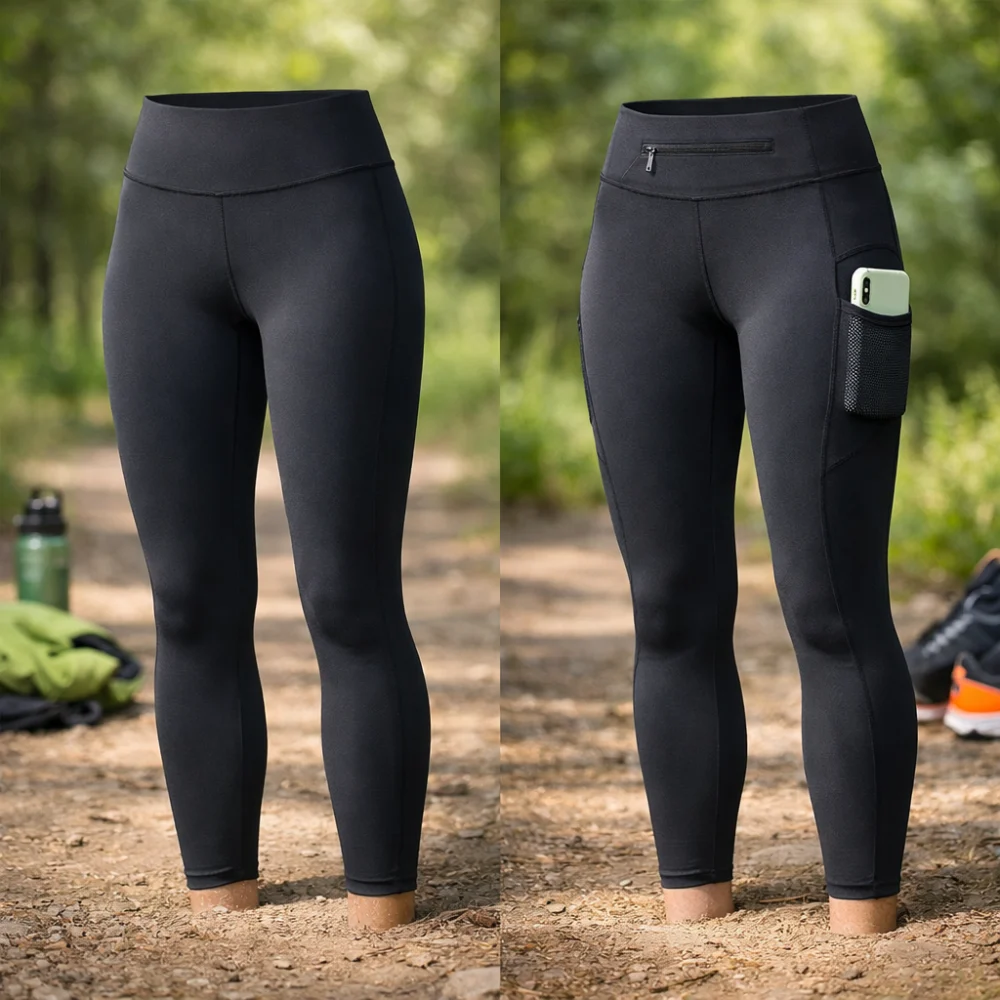
Which tights suit different needs?
| Your need | Look for | Why it helps | Possible compromise |
|---|---|---|---|
| Short everyday runs | Comfortable fit and simple construction | Easy to wear without overthinking features | May have fewer storage or performance details |
| Longer runs | Stable waistband and secure pockets | Reduces distraction and carrying hassle | More features can mean a busier feel |
| Warmer conditions | Lighter fabric and breathable feel | Can feel less restrictive in heat | May offer less warmth or coverage |
| Cooler conditions | Thicker or more substantial fabric | Can feel more comfortable when temperatures drop | May feel warmer than needed in mild weather |
| Gym and run use | Flexible fit and confident coverage | Works across different movement patterns | Not every running-specific detail is necessary |
Common mistakes and misunderstandings
- Choosing by appearance alone: A good-looking pair is not always the most comfortable. Focus on fit, waistband stability and fabric feel first.
- Assuming every pocket is practical: Pocket placement matters as much as pocket presence. Check whether the storage looks suitable for the items you actually carry.
- Overlooking weather conditions: A pair that feels ideal indoors may be too light or too warm outside. Think about your normal running conditions, not just one setting.
- Ignoring rise and waistband shape: Small differences here can change how secure the tights feel during movement. If you have a preference, make it a priority.
- Expecting one pair to do everything: A very lightweight pair and a more supportive pair each have strengths. The better choice depends on how and where you run.
Safety and suitability caveats
Running tights are a comfort and performance choice, so the main suitability checks are about feel, coverage and use case. If you plan to wear them in low light, with other layers, or for mixed training sessions, make sure the product details fit that purpose. For any model-specific features such as pockets, reflective details or fabric thickness, rely on the individual product information rather than general assumptions.
Maintenance, storage and lifespan considerations
Running tights are usually straightforward to care for, but their condition depends on how often they are worn and washed. It is sensible to check the care guidance on the individual product page and avoid assuming every fabric behaves the same way. If you want a pair to stay comfortable for longer, consider how often you will use them, whether you will wear them for sweaty sessions, and how easily they fit into your regular washing routine.
How to compare options efficiently
- Start with your main use: short runs, longer runs, mixed training or cooler-weather wear.
- Decide which fit feels right for you: secure and supportive, or softer and less compressive.
- Check the fabric description for clues about warmth, breathability and overall feel.
- Compare pocket layout, waistband shape and coverage before looking at smaller details.
- Read the individual product page carefully so you do not assume every pair works the same way.
Summary buyer decision checklist
- Does the fit look suitable for your shape and preferred rise?
- Does the waistband sound secure enough for your runs?
- Is the fabric weight right for your usual weather and pace?
- Do the pockets, if any, match what you want to carry?
- Is the level of coverage comfortable for your use?
- Have you checked the individual product page for the exact details?
Frequently asked questions
Are running tights different from everyday leggings?
Often, yes. Running tights are usually chosen for movement, fit stability and practical details such as waist support or pockets, while everyday leggings may focus more on casual wear. The exact difference depends on the model, so check the product description carefully.
Do I need pockets in running tights?
Not necessarily. Pockets are useful if you want to carry a phone, keys or cards without extra accessories, but some runners prefer a cleaner fit with fewer seams and less bulk. The right choice depends on how much you carry on a typical run.
Should running tights feel tight?
They should feel close-fitting, but not uncomfortable or restrictive. A secure fit helps them stay in place while you move, yet there should still be enough stretch for natural stride and bend. If a pair feels distracting when you try it on, it is probably not the best fit for you.
What is more important: fabric or waistband?
Both matter, but in different ways. Fabric affects comfort, breathability and season suitability, while the waistband affects how secure the tights feel in motion. If you dislike adjusting your clothes while running, waistband stability may be the deciding factor.
Can I use running tights for the gym as well?
Often, yes, if the fit and coverage suit your training. Many buyers like one pair that works for both running and general exercise, but the best option is still the one that feels right for the movements you do most. Check the product page for the cut and fabric details.
How do I choose between lightweight and warmer running tights?
Think about your usual conditions. Lightweight tights tend to suit warmer weather or faster runs, while warmer styles can feel more comfortable in cooler temperatures. If you run in mixed weather, a balanced middle option may be the most practical place to start.
What details should I check before buying online?
Look at the fit guidance, waistband description, pocket layout, fabric notes and care information. These details tell you more than the product title alone. Specifications vary by model, so always check the individual product page before buying.