

Women’s softshell trousers are a practical choice for outdoor days when you want more comfort and freedom of movement than a stiff waterproof shell, but more weather resistance than standard casual trousers. They are often chosen for walking, hiking and general outdoor use where conditions can change, but full waterproof protection is not the main priority.
The right pair depends on how active you are, how cold it usually feels where you walk, and how much wind, drizzle or damp ground you expect to meet. Some styles lean towards warmth and brushed linings, while others focus more on stretch and breathability.
Use this guide to narrow the type that suits your activity, then compare the details that affect comfort, layering and day-to-day usefulness.
What should you look for first in women’s softshell trousers?
Start with the balance between weather resistance, warmth and mobility. If you walk in cool, changeable conditions, softshell trousers can be a comfortable middle ground because they often feel less restrictive than waterproof trousers and less bulky than heavily insulated options. The main trade-off is that they usually offer less protection in prolonged rain than dedicated waterproof trousers.
For many buyers, fit matters as much as fabric. A pair that allows easy movement, sits well at the waist and leaves room for layers will often feel more useful than one with more features on paper. Specifications vary by model, so always check the individual product page before buying.
| Feature | What it means | Why it matters | What to check |
|---|---|---|---|
| Weather resistance | How well the fabric handles wind, light rain and damp conditions | Helps you judge whether they suit dry, mixed or wetter outings | Look for wording about water resistance, wind resistance and intended use |
| Warmth | Whether the trousers are lightly brushed, fleece-lined or unlined | Changes how comfortable they feel in cool weather and how well they layer | Check the lining description and whether they are meant for colder conditions |
| Stretch and fit | How much freedom of movement the fabric and cut allow | Important for walking, bending, climbing steps and all-day comfort | Look for stretch fabric, articulated shaping or a relaxed enough fit |
| Breathability | How easily heat and moisture can escape | Helps reduce clamminess during active use | Consider whether you will be moving a lot or mainly standing still |
| Details and storage | Pockets, cuffs, waist adjustment and other practical features | These affect convenience more than appearance | Check pocket layout, closure type and whether the waist can be adjusted |
Key decision criteria explained
Weather resistance
Softshell trousers are usually chosen for wind, cool air and light moisture rather than heavy rain. That makes them useful for mixed outdoor days, but it also means they are not the same as waterproof trousers. If your routes often involve prolonged rain, wet vegetation or sitting on damp ground, you may prefer a more weatherproof option.
Warmth and lining
Some softshell trousers are made for mild to cool weather, while others include fleece-like or brushed linings for extra comfort in winter. More warmth can be useful on cold walks, but it can also feel too hot on uphill sections or during higher-energy activity. Think about whether you are buying for active walking, colder standing-around moments, or both.
Fit and mobility
Movement matters because outdoor trousers need to work when you are stepping over obstacles, crouching, climbing or walking for long periods. A good fit should feel secure without pinching at the waist, pulling across the thighs or restricting stride length. If you expect to layer underneath, make sure the cut allows room without becoming baggy.
Fabric feel and breathability
Softshell fabrics vary in how smooth, stretchy and breathable they feel. A more breathable pair can be more comfortable when you are active, while a denser fabric may feel better in wind and colder conditions. The trade-off is straightforward: more protection and warmth can sometimes mean less airflow.
Practical features
Pockets, leg openings and waist adjustments can make a bigger difference than they first appear. Secure pockets are useful if you carry a phone or small essentials, while adjustable waists can improve fit across layering changes. Simple details often matter more than decorative features for this category.
Types and variants you may see
Within women’s softshell trousers, the main differences are usually about warmth and intended use rather than a completely different product shape.
- Unlined softshell trousers: Often better for milder weather or active use where breathability matters more than insulation.
- Fleece-lined or brushed styles: Better for colder conditions, but they can feel warmer than you need on energetic walks.
- More weather-resistant styles: Useful for exposed paths and changeable conditions, though they still may not replace true waterproof trousers.
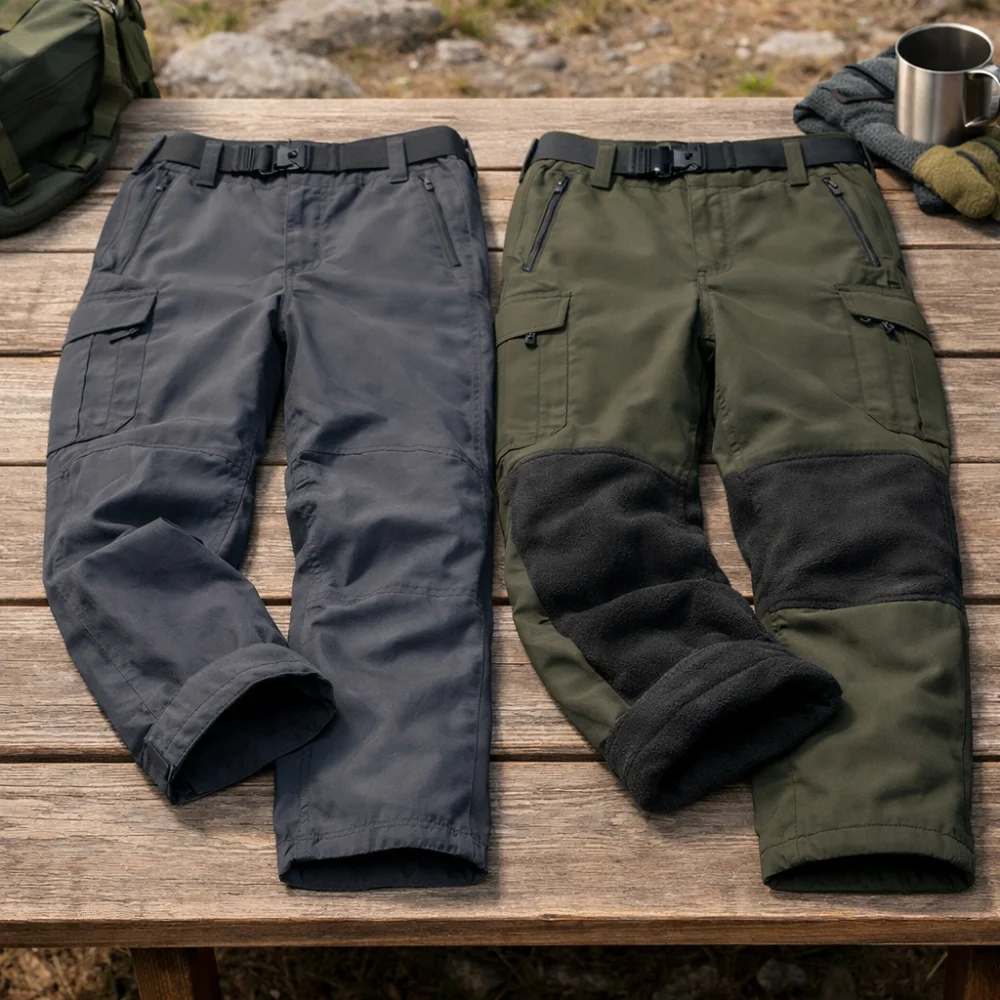
That means the decision is less about a “best” type and more about which balance suits your normal outdoor conditions.
Which style suits which buyer?
| Buyer need | Features to prioritise | Likely trade-off |
|---|---|---|
| Regular walker in cool weather | Comfortable fit, decent wind resistance, moderate warmth | May not be enough for heavy rain |
| Cold-weather walker | Brushed or fleece-lined construction, room for layers | Can feel warm during faster movement |
| Active hiker | Stretch, breathability, secure fit without bulk | Less insulation than warmer styles |
| Everyday outdoor use | Simple design, practical pockets, easy comfort | May have fewer specialist features |
| Buyers prioritising damp conditions | Clear water-resistant wording and weather-focused design | Still not the same as waterproof trousers |
Common mistakes and misunderstandings
- Assuming all softshell trousers are waterproof. They may resist light moisture, but that is not the same as full rain protection.
- Choosing warmth without checking activity level. A heavily lined pair can feel too hot if you walk briskly.
- Focusing only on the fabric name. Fit, lining, stretch and pocket design can matter just as much.
- Ignoring layering needs. A good winter option may need enough room for base layers, while a lighter pair may suit warmer months better.
Safety and suitability caveats
Softshell trousers are a comfort and performance choice, not a guarantee of protection from bad weather or rough terrain. If you need dependable rain protection, check for dedicated waterproof trousers instead. If you are buying for a specific outdoor activity, make sure the cut and features suit that use rather than assuming all outdoor trousers behave the same way.
Maintenance, storage and lifespan considerations
Care needs can affect which pair is most practical to own. Some softshell fabrics are easy to look after, but features such as linings, coatings and pocket trims may influence washing and drying preferences. It is also sensible to think about how often you will wear them, whether they will be packed away in a rucksack, and whether you want a pair that is easy to keep ready between outings.
How to compare options efficiently
- Decide when you will wear them most often: cool walks, colder outings or mixed weather.
- Choose the right balance of warmth, breathability and weather resistance for that use.
- Check fit details carefully, especially waist comfort, leg shape and room for layers.
- Compare practical features such as pockets, stretch and adjustable elements.
- Read the individual product page for the exact fabric description and intended use.
Summary buyer decision checklist
- Do I need softshell comfort, or would waterproof trousers be more suitable?
- Will I wear them mainly for active walking or for colder, slower outdoor time?
- Does the fit allow movement and any layers I plan to wear underneath?
- Are the pockets, waist and leg details practical for my routine?
- Does the product page clearly match the weather conditions I expect?
Frequently asked questions
Are women’s softshell trousers good for hiking?
They can be a good choice for hiking in cool or changeable conditions, especially if you want more comfort and movement than a waterproof shell. The best pair for hiking usually depends on how active your route is and how much rain you expect. If your walks are often wet, you may want a more weatherproof option.
Do softshell trousers keep out the rain?
They may cope with light moisture or brief showers, but they are not the same as full waterproof trousers. Think of them as weather-resistant rather than fully waterproof unless the product page clearly says otherwise. For prolonged rain, dedicated waterproof trousers are usually the safer comparison.
Should I choose lined or unlined softshell trousers?
Lined styles are often better if you feel the cold or walk in winter conditions, while unlined styles may suit milder weather and more active use. The right choice depends on how much warmth you need versus how breathable you want the trousers to feel. If in doubt, think about your most common outing rather than the coldest one.
How should softshell trousers fit?
They should feel comfortable when you sit, climb steps and take longer strides, without pulling at the waist or knees. If you plan to layer underneath, make sure there is enough room without the fit becoming loose. A secure but non-restrictive fit is usually the most useful target.
Can I wear them all year round?
Some people can, but it depends on the model and the weather where they live. Lighter styles may work across more of the year, while warmer lined versions are often better kept for colder months. Matching the trousers to your usual conditions is usually more practical than trying to make one pair do everything.
What features are most useful in everyday use?
Practical pockets, a comfortable waist and enough stretch for movement are often the most noticeable benefits. These details can matter more than extra styling or minor feature differences. If you expect regular outdoor use, convenience often matters more than appearance.