

A women’s tweed gilet is a classic layering piece for countrywear, giving extra warmth around the body while leaving the arms free. That makes it useful for milder days, active wear and occasions where you want a smart rural look without the bulk of a full jacket.
Because tweed gilets can vary in cut, lining, fastening and overall finish, the main choice is less about one “best” option and more about what feels comfortable and suits your intended use. If you are comparing them for outdoor walks, shooting days, horse riding, or simply everyday country style, the details matter.
This guide focuses on the practical buying points: fit, warmth, fabric feel, layering and how to judge whether a gilet suits the clothes you already wear.
What should you look for first in a women’s tweed gilet?
Start with the fit and the layering role. A tweed gilet should sit comfortably over a shirt, knitwear or base layer without pulling across the chest or feeling bulky at the armholes. Then look at the lining, fastening and overall structure, because those features affect how warm, easy to wear and versatile it will feel.
The main trade-off is between a neater, more tailored shape and room for thicker layers underneath. Specifications vary by model, so always check the individual product page before buying.
| Feature | What it means | Why it matters | What to check |
|---|---|---|---|
| Fit | How closely the gilet follows the body | Affects comfort, layering and the overall look | Chest room, waist shape and whether it is designed for a slim or relaxed feel |
| Length | Where the hem sits on the body | Changes coverage and how well it works over other clothing | Whether it will sit neatly over shirts, jumpers or longer layers |
| Lining | The inner fabric used against the body | Influences comfort and the amount of warmth | Whether the lining feels suitable for the season and intended use |
| Fastening | Buttons, zip or other front closure | Shapes how easy it is to wear and adjust | Ease of use, the look you prefer and whether it sits flat over layers |
| Fabric feel | The texture, weight and drape of the tweed | Helps determine whether it feels formal, practical or more casual | Product description, fabric notes and whether the finish suits your wardrobe |
| Use case | Where and how you expect to wear it | Prevents buying a style that looks right but feels wrong in practice | Everyday wear, country events, riding, walking or layering under outerwear |
Key decision criteria
Fit and layering room
Gilets are usually chosen for easy layering, so the fit should allow movement without looking oversized. If you plan to wear it over knitwear, check that the armholes and chest area leave enough room for comfort. A neater cut can look smarter, but it may feel restrictive if you want to add thicker layers.
Warmth without bulk
A tweed gilet is often selected as a lighter alternative to a full jacket. That makes it useful when you want warmth around the torso but not the extra coverage of sleeves. The amount of warmth you feel will depend on the fabric weight, lining and how closely the gilet fits against your layers.
Fastening and styling
Front closure affects both practicality and appearance. Button fronts can suit a traditional country look, while a zip or other fastening may feel more secure or easier to use. Think about whether you want the gilet to read as a smart finishing layer or as a more practical piece for regular wear.
Lining and comfort
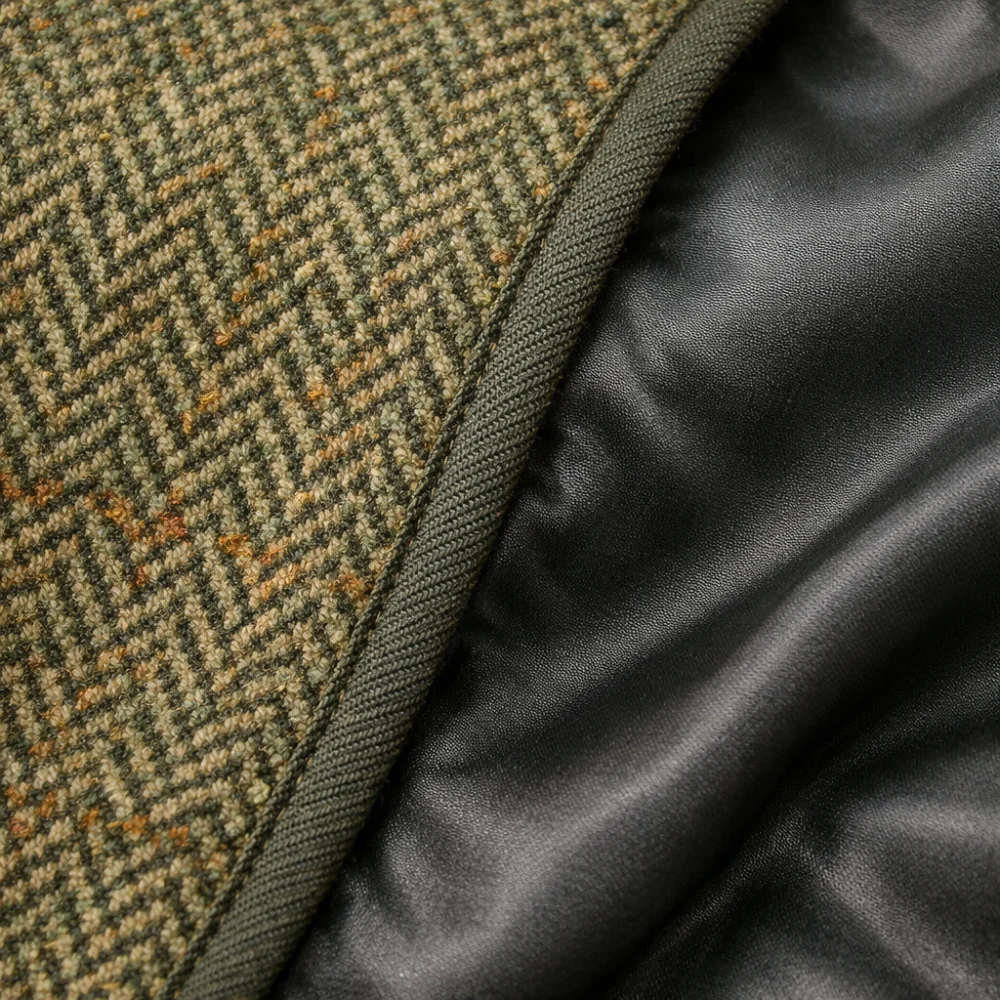
The inside finish matters more than many buyers expect, especially if the gilet will be worn for long periods. A smooth lining can make it easier to slide over shirts and jumpers, while a heavier or more structured lining may feel warmer but less lightweight. Check how the lining is described on the product page and whether it suits the seasons you intend to wear it in.
Product types and variants
Within this category, the main variation is usually in style rather than in function. Some tweed gilets lean more formal and tailored, while others are designed to be more practical for everyday country wear. The right choice depends on whether you want a sharper finishing piece or something more relaxed and versatile.
Another useful distinction is between lighter layering pieces and more substantial gilets that may feel warmer or more structured. Neither is automatically better; the better option is the one that matches your climate, layering habits and the clothes you already own.
Which type suits which buyer?
| Buyer need | What to prioritise | Likely trade-off |
|---|---|---|
| Everyday layering | Comfort, easy movement and a forgiving fit | May look less sharply tailored than a fitted style |
| Smart country occasions | Neat shaping, classic finish and easy pairing with shirts or skirts | May allow less room for thick mid-layers |
| Active outdoor use | Freedom of movement and a secure feel over base layers | May sacrifice some formal structure |
| Gift buying | Flexible styling and a size that leaves room for layering | Fit is harder to judge without checking measurements carefully |
Common mistakes and misunderstandings
- Choosing by appearance alone. A gilet can look right but still feel too snug or too long once you wear it with your usual layers.
- Ignoring the armholes. If the arm openings are too tight, the gilet may feel restrictive even if the body fit seems fine.
- Overestimating warmth. A tweed gilet adds useful core coverage, but it is still a layering piece rather than a substitute for a full coat.
- Forgetting your wardrobe. The most versatile option is usually the one that works with the trousers, shirts, skirts or knitwear you already own.
Safety and suitability caveats
For outdoor use, think about comfort, movement and weather conditions rather than assuming a tweed gilet will suit every situation. It may be ideal as a smart layer in cool weather, but less suitable if you need full protection from wind, rain or lower temperatures.
Check the product description for any notes about intended use, lining and fit, especially if you are choosing it for riding, walking or long periods outdoors.
Maintenance, storage and lifespan considerations
Tweed outerwear usually rewards sensible care and careful storage. Think about whether the garment will need regular airing, brushing or specialist cleaning, and whether you have space to store it so it keeps its shape.
If you expect frequent wear, it is worth checking how easy the fabric and lining are to look after. A gilet that suits your routine is often the one you will keep wearing, rather than the one that only looks good in the wardrobe.
How to compare options efficiently
- Decide where you will wear the gilet most often.
- Choose the level of fit you prefer over your usual layers.
- Compare the lining, fastening and overall finish.
- Check whether the length and armholes suit your body shape.
- Confirm the product page details before you commit.
Summary buyer decision checklist
- Will it fit comfortably over the layers you wear most often?
- Does the style suit everyday wear, smart country occasions or active use?
- Is the lining and fastening likely to feel practical for your routine?
- Do the armholes, length and shaping look right for your body?
- Will it work with the rest of your wardrobe?
Frequently asked questions
Are tweed gilets mainly for warmth or style?
They do both jobs, but in different ways depending on the design. A tweed gilet adds core warmth and helps build a layered outfit, while also giving a traditional country look. The balance between those two roles depends on fit, lining and fabric weight.
Can I wear a tweed gilet over knitwear?
Often yes, but the fit needs to allow for it. If you like thicker jumpers, check that the chest and armholes are roomy enough for comfortable layering. A more tailored gilet may work better over lighter layers.
What is the biggest fit issue to check?
The armholes and chest area are often the most important points. If these are too tight, the gilet can feel restrictive even when the waist and length seem fine. Checking these details helps avoid a piece that looks good but is awkward in use.
Is a tweed gilet a good gift?
It can be, because it is a versatile countrywear item, but sizing matters. If you are buying as a gift, a style with a forgiving fit and room for layering is usually easier to choose than something very fitted.
How do I know whether a gilet will suit my wardrobe?
Look at the colours, texture and level of formality in the product description and compare them with the clothes you already wear. The easiest options to mix in are often the ones that work with your usual shirts, knitwear and trousers without needing a new outfit around them.
Should I choose a neater or roomier fit?
Choose a neater fit if you want a smarter silhouette and only light layering. Choose a roomier fit if you value comfort, movement and the option to wear thicker knitwear underneath. The better choice depends on how you expect to use it most.