


Youth bows are usually chosen for learning, recreational shooting and introducing younger archers to the sport in a manageable way. The main challenge is finding a bow that feels comfortable to hold, appropriate for the user’s size and easy enough to handle without creating unnecessary frustration.
This guide focuses on the buying decisions that matter most: bow type, draw weight, size, handedness and the practical details that affect ease of use. It also helps you separate sensible starter choices from features that sound impressive but may not matter for a beginner.
Because product details can vary, it is worth comparing each listing carefully rather than assuming all youth bows are similar. Specifications vary by model, so always check the individual product page before buying.
Compare Youth Bows


As an Amazon Associate we earn from qualifying purchases.
What should you look for in a youth bow?
The best starting point is usually fit: the bow should suit the archer’s size, strength and confidence level, then match the kind of shooting they will actually do. A lighter, simpler bow is often easier for beginners, while a more specialised design may suit someone who already has some experience and wants room to progress. The main trade-off is between ease of use and how much adjustment or performance the bow offers.
| Feature | What it means | Why it matters | What to check |
|---|---|---|---|
| Bow type | The general style of bow | Affects feel, simplicity and how easy it is to learn with | Whether the design suits a beginner or a more experienced youth archer |
| Draw weight | How much force is needed to draw the string | Too much weight can make the bow hard to control | That the listed draw weight is appropriate for the intended user |
| Bow length | The overall size of the bow | Influences handling and comfort | Whether it suits the archer’s size and shooting position |
| Handedness | Which hand the bow is intended for | Important for comfort, control and aiming position | That the bow matches the archer’s dominant setup |
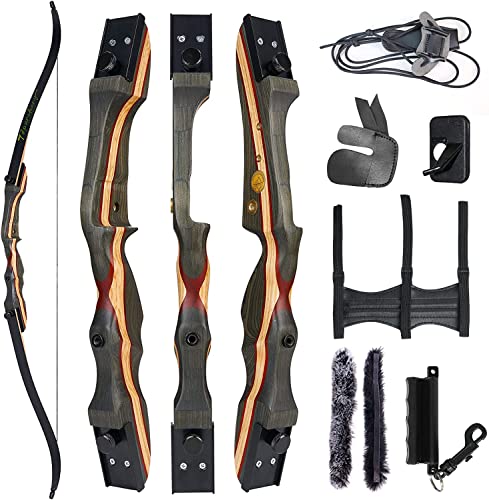
| Included extras | Any accessories supplied with the bow | Can simplify a first purchase, but may not suit everyone | Exactly what is included and whether replacements are easy to source |
| Adjustability | How much the bow can be adapted as skills develop | May extend useful life as the archer progresses | What can be changed, and how far those changes go |
Key decision criteria
Draw weight and control
For youth archers, draw weight is often the most important practical factor. If the bow is too demanding, it can be tiring, awkward to hold and harder to use consistently. A bow that feels manageable usually gives a better learning experience, even if it is less ambitious on paper.
Bow size and handling
The bow should be comfortable to hold, carry and draw. A size that feels sensible in the hand can make the whole activity less frustrating, especially for younger or smaller users. When comparing options, look for guidance on the intended age group or user size if it is provided, rather than relying on appearance alone.
Type of bow
Different youth bows can feel very different in use. Simpler designs may be easier for a beginner to understand, while more involved styles may suit a buyer who wants a longer-term learning path. The useful question is not which type sounds most impressive, but which one matches the archer’s experience and patience level.
Included accessories
Some listings may include starter accessories, which can be convenient for a first purchase. That is useful only if the parts are appropriate for the bow and the intended user. Check exactly what is included so you can tell the difference between a ready-to-start package and a bow that still needs extra items before it can be used comfortably.
Growth and progression
If the bow is for a young person who may improve quickly, it can be worth looking for a model that offers some room to grow. The trade-off is that more adaptable bows can be more complex, and that is not always ideal for a first-time user. Think about whether the priority is a straightforward starter bow or one that remains useful for longer.
Common youth bow types and how they differ
In this category, the most useful differences are usually about simplicity, handling and how the bow feels to shoot rather than dramatic technical variation. A straightforward youth bow may be the easiest route for a beginner, while a more adjustable design may appeal if the buyer wants more progression.
- Simple starter bows: Often the easiest choice for first-time archers because they tend to be uncomplicated to handle.
- More adjustable youth bows: May suit a buyer who expects the archer to keep using the bow as confidence grows.
- Specialist-style youth bows: Can appeal to buyers looking for a more specific feel or shooting style, but may ask more from the user.
The main limitation is that a more feature-rich bow is not automatically better for a child or beginner. The right choice depends on how much experience the archer has and how much complexity they are ready to manage.
Who each option tends to suit
| Buyer need | Features that may suit it | Why | Possible downside |
|---|---|---|---|
| First-time beginner | Simple handling, manageable draw weight, clear product information | Makes learning easier and less tiring | May offer less room to progress |
| Growing child or developing archer | Some adjustability and sensible sizing | Can remain useful for longer | May be more complex than a very basic starter option |
| Gift buyer | Clear age or size guidance, simple setup, included essentials | Reduces guesswork | May still need checking against the recipient’s size and experience |
| Recreational family use | Easy handling and straightforward specifications | Helps different users understand and share the bow more easily | Not every bow will suit every user in the group |
Common mistakes and misunderstandings
- Choosing by appearance alone: A bow can look suitable while still being awkward for the intended archer. Size, weight and comfort matter more than style.
- Ignoring draw weight: A bow that is too strong can make practice less enjoyable and harder to manage.
- Overlooking handedness: The wrong setup can feel uncomfortable and affect how naturally the bow is used.
- Assuming accessories are always included: Some product pages may list extras, but the details can differ, so it is worth checking exactly what comes with the bow.
- Buying for future ability only: It is sensible to think ahead, but the bow still has to work well for the user now.
Safety and suitability caveats
Youth bows should be chosen with the intended user’s age, size, supervision and experience in mind. A product description may suggest a broad use case, but it cannot tell you whether the bow is the right fit for a particular person. Check any guidance on the product page carefully and make sure the setup matches the user’s ability.
It is also sensible to consider where the bow will be used and who will be helping the archer. If you are buying for a child or beginner, clarity about supervision and appropriate use matters as much as the bow itself.
Maintenance, storage and lifespan
General care needs are usually simple, but they still affect value. A bow that is easy to store safely and keep in good condition may be a better long-term choice than one that needs more attention or more careful handling. If accessories or string-related items are included, check whether those parts may need replacing over time.
For a youth bow, the likely lifespan often depends on how quickly the archer grows and how much the bow can be adapted. That makes build quality, adjustability and clarity about replacement parts more relevant than they might first appear.
How to compare options efficiently
- Start with the archer’s size, experience and intended use.
- Choose the broad bow style that fits that level of simplicity or progression.
- Compare draw weight, size and handedness first.
- Check which extras are included and whether they actually help a beginner.
- Read the individual product information carefully before deciding.
Summary buyer decision checklist
- Does the bow suit the intended archer’s size and experience?
- Is the draw weight manageable for the user?
- Is the handedness correct?
- Does the size feel appropriate for comfortable handling?
- Are any included accessories clearly listed?
- Is there enough adjustability or progression for the intended use?
- Have you checked the individual product page for model-specific details?
Frequently asked questions
What makes a bow suitable for a youth archer?
The main signs are manageable draw weight, comfortable handling and a size that suits the archer’s build. A suitable youth bow should make learning easier rather than asking the user to fight the equipment.
Should I choose the lightest bow available?
Not necessarily. A bow that is too light may not match the intended use or may be outgrown quickly, but a bow that is too demanding can be frustrating. The better choice is usually the one that feels easy enough to control while still fitting the user’s needs.
Do all youth bows come ready to use?
No, not always. Some listings may include helpful extras, while others may only include the bow itself. It is worth checking exactly what is supplied so there are no surprises when the order arrives.
How important is handedness?
It matters a great deal for comfort and control. A bow set up for the wrong hand can feel unnatural and make the shooting position harder to manage. Always confirm the handedness before buying.
Is adjustability worth paying attention to?
Often, yes, if the archer is likely to keep using the bow for some time. Adjustability can help the bow remain useful as confidence grows, but a simpler model may be better for a first purchase.
What should a gift buyer check first?
Focus on size, handedness and how much experience the recipient already has. Those basics matter more than features that sound impressive on paper. Clear product information is especially helpful when buying as a gift.
Can one youth bow suit every child?
Usually not. Children vary in height, strength and confidence, so a bow that suits one user may be awkward for another. It is better to match the bow to the individual than to assume a one-size-fits-all choice.
Check arrows and targets as part of the setup
A bow is only one part of a suitable practice setup. Before buying, check whether arrows are included and whether the product information identifies them as suitable for that bow; do not assume that arrows from another set will be compatible. Also consider whether the intended practice setting has an appropriate target, and check what is supplied rather than assuming a target is included. If the archer expects to keep practising, clear information about suitable replacement arrows can help avoid a setup that is difficult to maintain.
More Youth Bows
See all 41 Youth Bows →


As an Amazon Associate we earn from qualifying purchases.