


Women’s down jackets are a practical choice when warmth matters but you still want a layer that is lighter and easier to wear than many heavy winter coats. They are often chosen for cold commutes, travel, walking and general everyday layering.
The main buying challenge is not simply choosing a jacket that looks warm. It is deciding how much insulation you need, whether you want a more packable layer or a longer coat shape, and how much protection you need from wind, damp weather and regular use.
Because product details vary, the most useful approach is to compare warmth, fit, outer fabric, hood design and how the jacket will be used. Specifications vary by model, so always check the individual product page before buying.
Compare Women's Down Jackets


As an Amazon Associate we earn from qualifying purchases.
What should you look for first in a women’s down jacket?
Start with the conditions you want it for. A lighter down jacket can suit layering, travel and milder cold, while a warmer or longer style may feel more comfortable in colder weather or when you are spending longer outdoors. The biggest trade-off is usually between warmth, bulk and versatility.
If you expect mixed weather, pay close attention to the outer fabric and any weather-resistant details rather than assuming every down jacket will cope with damp conditions. If you mainly want comfort and easy layering, fit and packability may matter more than maximum insulation.
| Feature | What it means | Why it matters | What to check |
|---|---|---|---|
| Insulation level | How much warmth the jacket is designed to provide | Helps match the jacket to cold weather, commuting or outdoor use | Look for the product description and compare it with how cold you usually feel |
| Length and coverage | Whether the jacket is short, hip-length or longer | Affects warmth around the torso and how easy it is to move | Check whether you want a cropped, regular or long-line shape |
| Fit and layering room | How close the jacket sits on the body | Determines whether you can wear it over knitwear or base layers | Check sizing guidance and whether the cut is described as slim, regular or relaxed |
| Outer fabric | The shell material that covers the insulation | Influences comfort, durability and resistance to light damp or wind | Read the material description and any weather-resistant notes |
| Hood and collar design | Whether the jacket has a hood, high collar or both | Changes head and neck coverage in colder conditions | Check if the hood is fixed, adjustable or absent |
| Packed size and weight | How easy the jacket is to carry or pack away | Important for travel and day trips | Look for packability details if you want a jacket that stows easily |
Key decision criteria explained
Warmth
Warmth is the core reason most people choose a down jacket, but warmth is not one fixed level. Some jackets are better as everyday insulation, while others are aimed at colder temperatures or longer periods outside. Think about whether you want a jacket for quick trips between indoor spaces or for sustained time in the cold.
Length
Shorter jackets usually feel lighter and more flexible, while longer styles can offer more coverage around the hips and thighs. A longer cut can be useful if you prefer extra warmth, but it may feel less airy or easy to sit in, especially for commuting and driving.
Fit
Fit affects both comfort and usefulness. A close fit can trap warmth efficiently, but it may be less comfortable over thick layers. A slightly roomier fit can be more flexible, though it may feel less streamlined. Check whether the product page gives sizing guidance or mentions the intended shape.
Weather resistance
Down is valued for warmth, but buyers should not assume every jacket behaves the same in wet weather. Some jackets are better suited to dry cold, while others use outer fabrics or finishes that help in light damp conditions. If your use case involves mixed weather, this is one of the most important details to check.
Packability
If you want a jacket for travel, commuting or carrying in a bag, packability can matter almost as much as warmth. Lighter designs tend to be easier to compress and carry, while heavier or longer styles are usually bulkier. Think about how often you will take the jacket off and on during the day.
Types and variants you may see
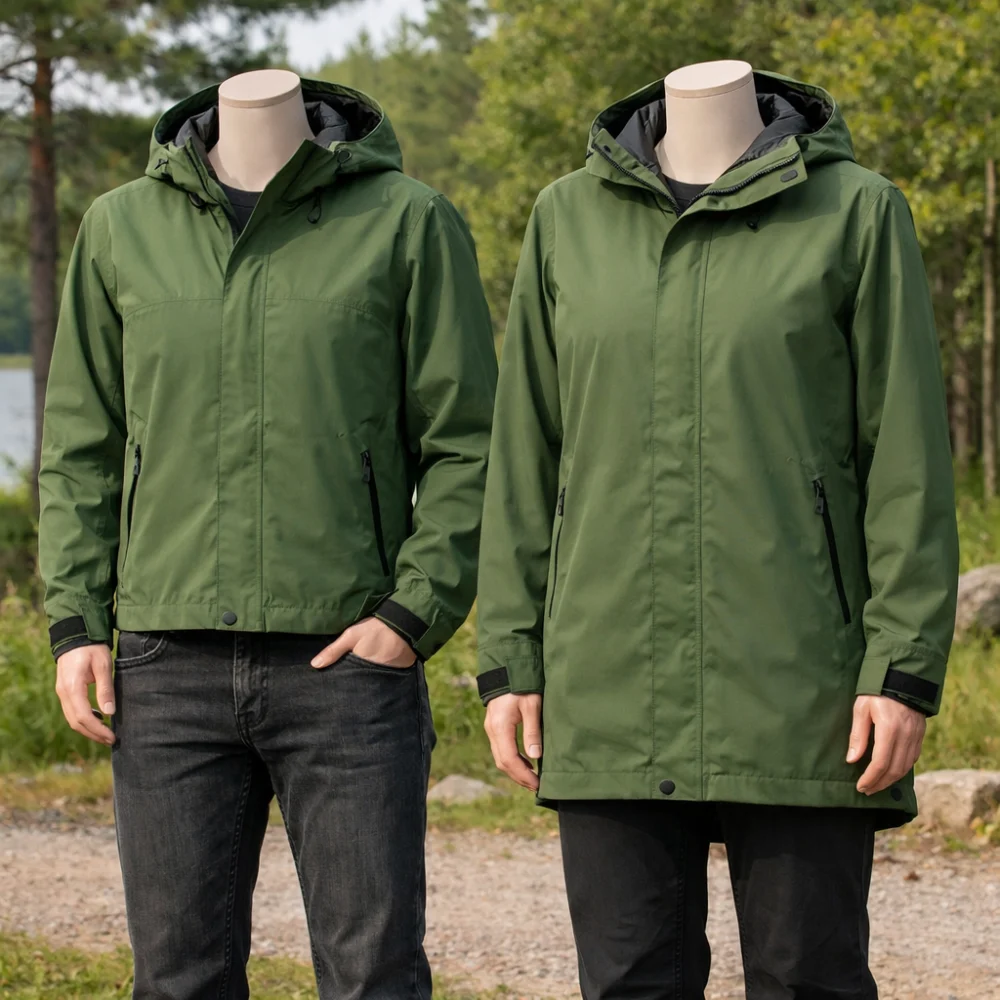
Within women’s down jackets, the most useful distinctions are usually shape and coverage rather than dramatic technical differences. You may see cropped, hip-length or long-line styles, and each serves a slightly different need.
Shorter jackets
These are often chosen for mobility, everyday wear and easy layering. They can feel less restrictive, but they may not provide as much coverage in colder conditions.
Longer jackets or coat-style designs
These suit buyers who want more coverage and a cozier feel. The trade-off is usually extra bulk and less freedom of movement compared with shorter styles.
Packable or lighter-weight designs
These are useful if you want something easy to carry or layer. They may not feel as substantial as heavier winter-focused options, so check whether the warmth level suits your routine.
Which type suits different buyers?
| Your need | What to prioritise | Why |
|---|---|---|
| Everyday commuting | Comfort, easy layering and sensible length | You may wear it in and out of buildings, so versatility matters |
| Cold walks or outdoor breaks | More coverage, higher warmth and a good hood or collar | You may spend longer outside and feel the cold more directly |
| Travel or bag storage | Lightweight feel and packability | A jacket that stows easily is simpler to carry around |
| Weekend wear and casual use | Fit, style and general comfort | Appearance matters more here, but the jacket still needs to suit the weather |
| Layering over knitwear | Roomier fit and enough sleeve space | A jacket that is too close-fitting can feel restrictive |
Common mistakes and misunderstandings
- Assuming all down jackets are equally warm. Warmth varies with design, length and overall construction, so compare product details rather than relying on the category name alone.
- Choosing on looks before fit. A jacket that is too tight may lose comfort and layering space, while one that is too loose can feel less efficient in the cold.
- Overlooking damp-weather needs. If you expect rain or drizzle, check whether the jacket description mentions any weather-resistant treatment or shell properties.
- Ignoring length. A shorter jacket may be easier to wear, but a longer style can be more suitable if you want extra coverage.
Safety and suitability checks
This is a general clothing purchase, so the main concerns are comfort, weather suitability and how the jacket fits your intended use. If you are buying for someone else, check their usual size and whether they prefer a close or relaxed fit.
For outdoor use, it is sensible to remember that a down jacket is not the same thing as a waterproof shell. In mixed weather, many buyers use it as part of a layered system rather than expecting it to handle every condition on its own.
Care, storage and general lifespan considerations
A down jacket can last better when it is stored loosely rather than compressed for long periods. If you plan to travel with it, think about whether it needs to pack down often or whether it will spend most of its time hanging in a wardrobe.
Care expectations vary by model, so check the care label and product information before buying. The outer fabric, lining and insulation can all influence how easy the jacket is to look after.
How to compare options efficiently
- Decide when you will wear it most: commuting, walking, travel or everyday use.
- Choose the shape and length that match that use.
- Compare warmth, fit, hood design and outer fabric across the options.
- Check how the jacket is intended to perform in damp or windy weather.
- Read the individual product page for sizing guidance and care information before deciding.
Summary buyer decision checklist
- Does the warmth level suit your usual weather?
- Is the length right for the coverage you want?
- Will the fit work over the layers you normally wear?
- Do you need a hood or a higher collar?
- Is the jacket likely to suit dry cold, mixed weather or mainly everyday use?
- Can you store or carry it in the way you need?
- Have you checked the individual product page for sizing and care details?
Frequently asked questions
What is the main benefit of a women’s down jacket?
The main benefit is warmth with relatively low bulk compared with many heavier coats. That makes them appealing for everyday cold-weather wear, travel and layering. The exact balance of warmth and weight depends on the model.
Are down jackets good for wet weather?
They can be fine in light damp conditions if the product is designed for that use, but down is not the same as a waterproof outer layer. If wet weather is a common part of your routine, check the jacket description carefully and consider how you will wear it in a layered outfit.
How should I choose the right size?
Start with your normal size, then think about what you want to wear underneath. If you plan to layer over knitwear or thicker clothing, a slightly roomier fit may be more comfortable. Always check the product page for any sizing notes.
Is a longer down jacket warmer than a shorter one?
Often, a longer jacket gives more coverage and can feel warmer, but warmth is still influenced by the overall construction and fit. A shorter jacket can still be a good choice if you want mobility and lighter wear. Coverage and comfort should both be considered.
What is the difference between a packable and a heavier down jacket?
Packable styles are usually easier to carry and store, which is useful for travel or changeable plans. Heavier jackets may feel more substantial and better suited to colder conditions. The choice depends on whether convenience or maximum coverage matters more.
Do I need a hood?
A hood can be useful if you want extra coverage for windy or cold conditions. Some buyers prefer a high collar instead because it feels simpler and less bulky. Think about how often you wear hats or scarves when deciding.
Can one down jacket work for everyday use and outdoor walks?
Yes, if you choose a balanced design with the right warmth, fit and coverage. A versatile jacket should feel comfortable in daily life but still suit the outdoor use you expect. Comparing shape and outer fabric will help more than focusing on style alone.
How to interpret down insulation details
If a product page gives a fill-power figure, it describes the loft of the down relative to its weight; it is not, by itself, a complete measure of how warm the whole jacket will feel. The amount of down used, the jacket’s construction, fit and coverage also affect warmth, so compare the information provided rather than choosing on one figure alone.
Some listings give the down-to-feather composition or other details about the insulation. These can help clarify what the stated fill refers to, but descriptions and available specifications vary. Use them alongside the intended use and the jacket’s overall design, and avoid treating figures from different products as a direct warmth ranking unless their information is comparable.
More Women's Down Jackets
See all 75 Women's Down Jackets →


As an Amazon Associate we earn from qualifying purchases.