


Women’s puffer jackets are a practical choice when you want lightweight warmth without the bulk of a heavy coat. They can work well for everyday commuting, weekend walks and travel, but the right pick depends on how much insulation, weather protection and ease of packing you need.
Because puffer jackets vary so much in design, it helps to compare the main features before you choose. A jacket that feels ideal for dry, cold days may be less suitable in wet weather, while a more weather-resistant style may feel less lofty or less easy to pack.
Specifications vary by model, so always check the individual product page before buying.
Compare Women's Puffer Jackets


As an Amazon Associate we earn from qualifying purchases.
What should you look for in a women’s puffer jacket?
The starting point is usually warmth and intended use. If you want something for regular wear and layering, a lighter puffer may be enough; if you expect colder conditions, you may prefer a style with more coverage or a fuller insulated construction. The main trade-off is usually between warmth, weight, packability and weather protection.
Look closely at the jacket’s fill, length, hood, fastening and fit, then think about how you will actually wear it. A neat, shorter jacket can feel easy to move in, while a longer style may offer more coverage. If you expect rain as well as cold, check whether the jacket is merely warm or also designed to resist moisture.
| Feature | What It Means | Why It Matters | What To Check |
|---|---|---|---|
| Insulation level | How much warmth the jacket is designed to provide | Determines whether it suits mild layering or colder conditions | Look for the stated insulation approach and how substantial the jacket appears |
| Fill type | The material or structure used to trap warmth | Can affect warmth, loft, packability and how the jacket feels in use | Check the product description for the fill details rather than assuming all puffers behave the same |
| Length | Whether the jacket is short, hip-length or longer | Changes coverage, mobility and how well it suits different outfits | Consider where you want extra warmth, especially around the hips and lower back |
| Hood and collar | Extra coverage around the head, neck and face | Can improve comfort in wind and colder weather | Check whether the hood is fixed, removable or absent, and how the collar sits |
| Weather resistance | How well the outer fabric copes with light moisture or wind | Important if you will wear the jacket outdoors rather than only in dry conditions | Read the description for water-resistant or wind-resistant wording, and do not assume waterproofing |
| Fit and layering room | How the jacket sits over base layers or knitwear | Affects comfort, movement and whether the jacket feels too tight or too loose | Compare size guidance and think about what you will wear underneath |
Key decision criteria explained
Warmth and insulation
Puffer jackets are mainly about trapping heat efficiently. A lighter style may be enough for mild weather or for wearing over a jumper, while a more insulated style is usually chosen for colder days. The important point is not to assume that all puffers feel equally warm, because the amount of insulation and the overall construction can vary a lot.
Fill type and feel
Some buyers prefer a loftier, softer feel, while others mainly want a jacket that is easy to care for and wear regularly. Fill type can influence how the jacket compresses, how it feels against the body and how much room it takes up when packed. Check the product page carefully rather than choosing only from the look of the outer fabric.
Length and coverage
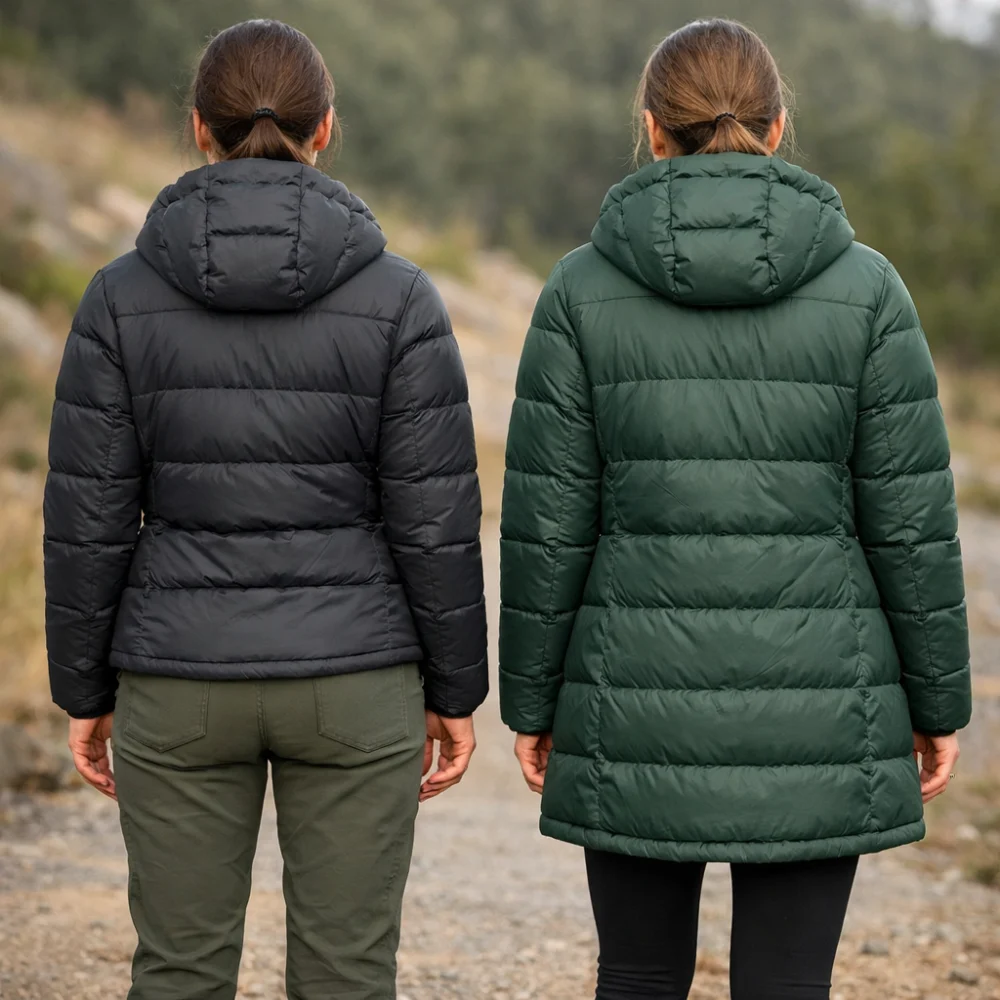
Shorter puffers are often easier for movement and can suit casual everyday styling. Longer options may feel better if you want more coverage against cold air or if you plan to wear the jacket for longer periods outside. The trade-off is simple: more coverage usually means more material and less of a lightweight feel.
Hood, cuffs and closure
A hood can make a practical difference if you want extra protection from chilly winds, while adjustable cuffs and a secure fastening can help the jacket feel more comfortable. These details are easy to overlook, but they often determine whether a jacket feels cosy or just warm on paper. Specifications vary by model, so always check the individual product page before buying.
Common types and variants
Within this category, the main differences are usually about coverage and everyday use rather than completely different product classes.
- Lightweight puffers suit layering, travel and mild cold, but usually offer less warmth than heavier styles.
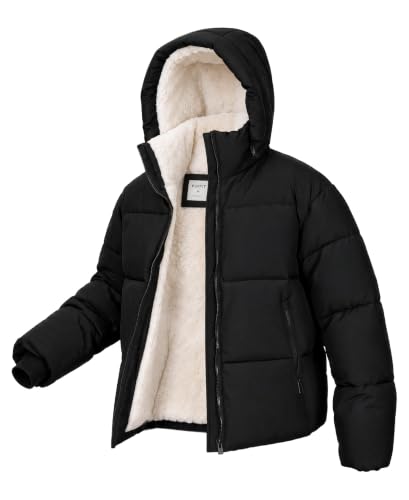
- Hooded puffers add extra coverage and can feel more versatile in breezier conditions.
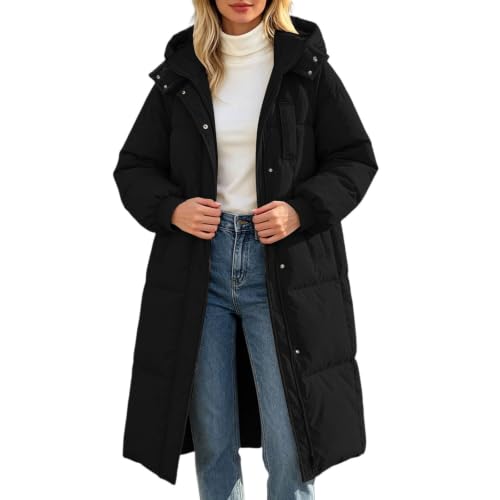
- Longline or longer-length puffers can provide more coverage, though they may feel less compact.
- Packable-style puffers are useful when storage space matters, but may prioritise convenience over maximum warmth.
Which puffer suits which buyer?
| Buyer need | What tends to help | Main trade-off | Check for |
|---|---|---|---|
| Everyday commuting | Moderate warmth, comfortable fit, simple fastening | Too much bulk can feel unnecessary indoors | Length, collar shape and whether it layers easily |
| Travel and packing | Lightweight feel and easier storage | Less substantial styles may be less warm | Packability cues and overall jacket weight description |
| Colder outdoor use | More coverage and stronger insulation | Bulk and reduced flexibility | Longer length, hood and fuller-looking construction |
| Casual everyday style | Neat shape and easy layering | Style can outweigh practicality if you do not check details | Fit notes, cuff style and overall silhouette |
Common mistakes and misunderstandings
- Assuming every puffer is very warm. Some are designed for lighter layering, so read the description for the level of insulation rather than relying on appearance.
- Ignoring weather resistance. A warm jacket is not automatically suitable for damp conditions, so check whether the outer fabric is described as water-resistant or just insulated.
- Forgetting about layering. A close-fitting jacket may feel fine over a T-shirt but restrictive over knitwear, so think about how you will wear it.
- Choosing by style alone. Shape and colour matter, but fit, length and hood design usually make more difference to day-to-day satisfaction.
Safety and suitability caveats
Puffer jackets are everyday clothing rather than specialist protective equipment, but suitability still matters. If you plan to wear one in cold, wet or windy conditions, check the product description carefully so you know what kind of weather it is intended for. Also consider whether you want a jacket for town use, walking or travel, because the best balance of warmth and bulk can differ.
Maintenance, storage and lifespan considerations
General care is worth thinking about before you buy, because some puffers are easier to maintain than others. Check the care instructions on the individual product page, especially if you want a jacket that can be worn often and stored without losing its shape. If you expect to pack the jacket away regularly, look for a style that seems appropriate for that use and keep in mind that frequent compression may affect how it feels over time.
How to compare options efficiently
- Decide when you will wear the jacket most often: commuting, everyday use, travel or colder outdoor outings.
- Choose the level of warmth and coverage you actually need, rather than defaulting to the heaviest-looking option.
- Compare fit, length, hood design and weather resistance across the product pages.
- Check whether the jacket is meant to layer easily under or over your usual clothing.
- Use the product description to confirm the details that matter most to you before making a decision.
Summary buyer decision checklist
- Does the warmth level suit your usual weather conditions?
- Is the length right for the coverage you want?
- Do you need a hood or extra collar coverage?
- Will it layer comfortably over your usual clothing?
- Is weather resistance important for how you plan to use it?
- Have you checked the individual product page for the exact construction and care guidance?
Frequently asked questions
Are puffer jackets suitable for everyday wear?
Yes, many people choose them for everyday use because they are warm, familiar and easy to style. The main question is whether you want a lighter, more casual layer or something with more coverage for colder days.
What is the difference between a puffer jacket and an insulated jacket?
The terms can overlap, but puffer usually refers to the quilted, padded look. Insulated jackets may be built in different ways, so the safest approach is to compare the actual product description rather than the label alone.
Should I choose a hooded puffer?
A hood can be useful if you often feel the cold or want extra coverage outdoors. If you usually wear hats or prefer a cleaner silhouette, a hoodless style may be better.
Is a longer puffer warmer than a short one?
Not always, but a longer jacket does cover more of the body. That can make it feel more protective in cold conditions, although the overall warmth still depends on the jacket’s construction.
Can I rely on a puffer jacket in wet weather?
Not by default. Some are better suited to light moisture or breezy conditions, while others are simply warm outer layers, so check the product page if weather resistance matters to you.
What should I do if I plan to layer underneath?
Allow a bit of room in the fit, especially if you wear knitwear or thicker mid-layers. A jacket that looks perfect with a T-shirt may feel tight once you add extra clothing.
Down or synthetic fill: what is the difference?
Down and synthetic insulation can both be used in puffer jackets, but their characteristics differ. Down is often chosen for its warmth relative to weight and its ability to compress, while synthetic fill may be a more practical choice for some buyers expecting damp conditions or preferring straightforward care. These are general tendencies, not guarantees: performance depends on the garment’s construction and materials.
Check the product information for the stated fill, outer-fabric details and care instructions. If you are comparing a puffer with a down jacket, look beyond the category name: confirm what insulation it uses and whether its care requirements suit you.
How to choose the right size and fit
Use the individual product’s size chart rather than assuming your usual size will fit the same way across different jackets. When measurements are provided, compare them with a jacket you already find comfortable, and check whether the chart refers to body measurements or garment measurements.
Consider shoulder and sleeve room as well as chest fit, particularly if you plan to wear a jumper underneath. A close fit can reduce layering comfort, while an overly roomy jacket may feel cumbersome; choose the balance that suits how you intend to wear it and check the product’s fit notes before deciding.
More Women's Puffer Jackets
See all 296 Women's Puffer Jackets →




As an Amazon Associate we earn from qualifying purchases.