


Children’s insulated gilets are a useful middle layer for cooler days when a full coat feels too warm or too restrictive. They are often chosen for school runs, walks, outdoor play and everyday layering.
This guide focuses on the buying decisions that matter most: warmth, fit, comfort and how the gilet will be worn. It also helps you separate genuinely useful features from details that sound appealing but may not matter in practice.
If you are comparing options for a child, the main question is usually not just how warm the gilet looks, but how well it fits with other layers and how easily the child can move in it. A good choice should support the intended activity without feeling bulky.
Compare Children's Insulated Gilets

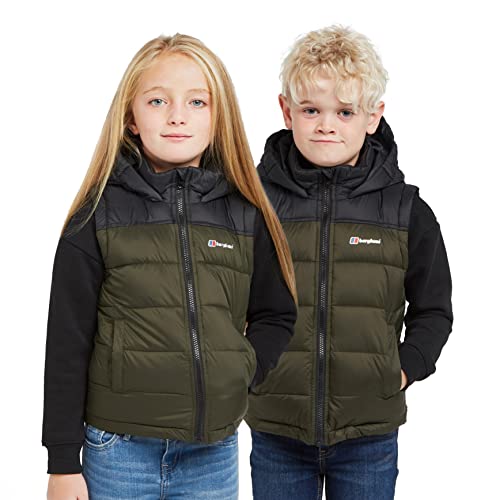


As an Amazon Associate we earn from qualifying purchases.
What should you look for in a children’s insulated gilet?
Start with the conditions and the way the gilet will be used. A lightly insulated style can be enough for mild, active use, while a fuller padded design may suit colder or less active days. Fit matters just as much as insulation because a gilet that is too tight will limit layering, and one that is too loose can feel awkward to wear.
Think about comfort, easy fastening and whether the child can manage it independently. Specifications vary by model, so always check the individual product page before buying.
| Feature | What it means | Why it matters | What to check |
|---|---|---|---|
| Insulation level | How much warmth the gilet is designed to add | Affects whether it suits mild layering or colder conditions | Look for the style and description used for the model |
| Fit and sizing | How the gilet sits over other clothing | Impacts comfort, movement and layering space | Check the size guide, age guidance and whether the cut looks regular or roomy |
| Weight and bulk | How light or padded the gilet feels | Influences how easy it is to wear during active use | Read the product wording for lightweight, padded or longline styling |
| Fastening and neck shape | How the front closes and how high it sits at the neck | Changes warmth, comfort and ease of use | Check for zip closure, hooded design or collar shape |
| Pockets and practicality | Extra storage or hand-warming features | Can improve everyday usefulness | See whether pockets are included and whether they are placed for easy access |
| Outer fabric and care | The finish and how simple it is to maintain | Affects day-to-day convenience | Check care guidance and whether the outer is described as easy to clean |
Key decision criteria explained
Warmth versus movement
An insulated gilet is often chosen because it adds warmth without covering the arms. That makes it a practical layer for active children who need freedom of movement, but it may not be enough on its own in very cold or wet conditions. The right balance depends on whether the child is mostly walking, playing, commuting or standing around for longer periods.
Fit for layering
Children often wear insulated gilets over a jumper, fleece or school clothes, so the fit should leave a little room without looking oversized. A snug gilet may feel neat but can be restrictive once layers are added underneath. A roomier option can be more flexible, but too much extra space may reduce comfort.
Hooded, collar or no hood
Some children’s insulated gilets include a hood, while others use a simpler collar shape. A hood can add versatility, but it may feel unnecessary if the gilet is mainly for use under a separate coat. Consider whether the child will actually wear the hood or whether a cleaner, less bulky shape is easier for everyday use.
Length and coverage
Longline styles can offer more coverage around the body, while shorter styles may feel easier to move in. The better option depends on how the gilet will be used and whether extra coverage is more important than a lighter feel. For younger children, ease of movement and comfort often matter more than a longer cut.
Fastening and independence
A front zip is the usual practical choice because it is simple and quick to use. If the child needs to put the gilet on and off by themselves, ease of fastening is worth prioritising. Small design details can make a bigger difference to daily use than decorative features.
Types and variants within the category
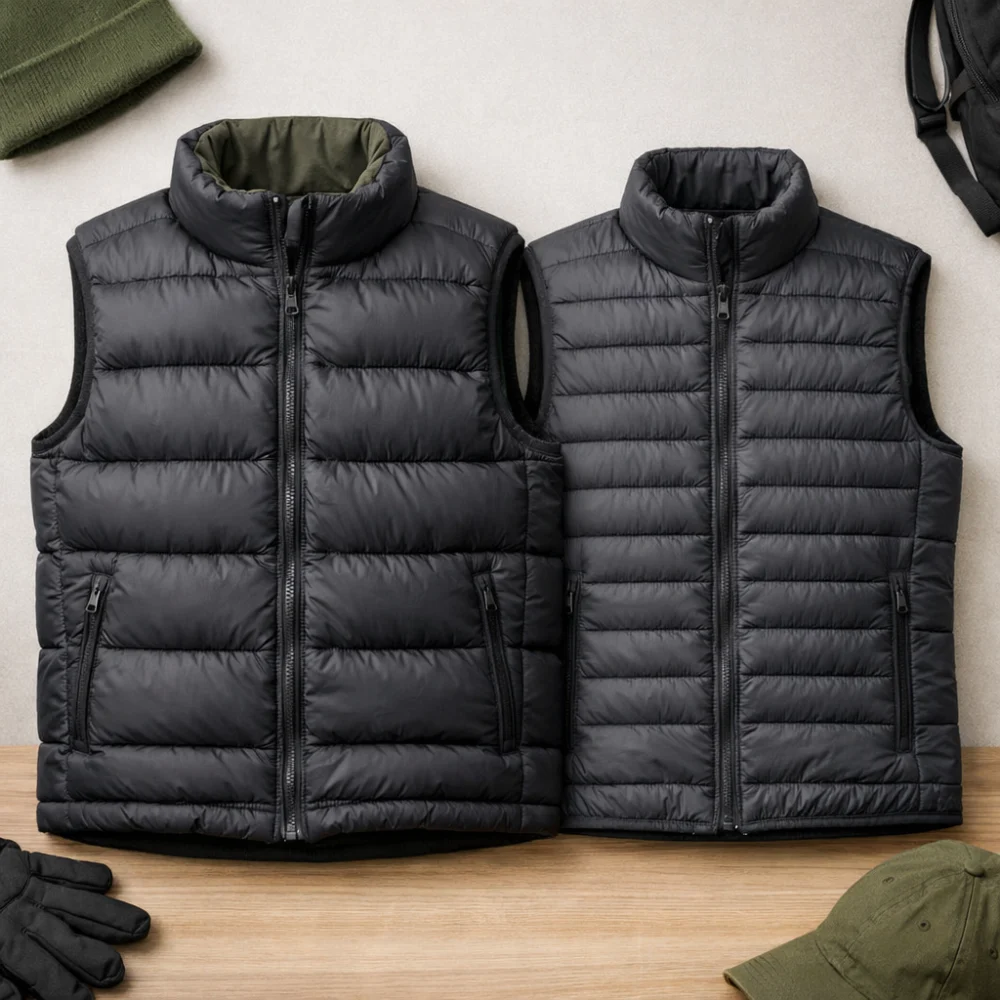
Children’s insulated gilets are usually chosen for the same broad purpose, but the styling can vary enough to affect comfort and use.
- Padded gilets: Often chosen for a more insulated feel and a slightly fuller look.
- Lightweight insulated gilets: Better when a child needs warmth without much bulk.
- Hooded gilets: Useful when a little extra head coverage is welcome, although they can feel less simple under a coat.
- Longline gilets: May suit buyers who want a bit more coverage through the body.
The main limitation of this category is that a gilet is only part of a layering system. If you need rain protection or very cold-weather coverage, you may still need another outer layer.
Which type suits different needs?
| Need | What tends to suit it | Why | What to avoid |
|---|---|---|---|
| Everyday school and weekend wear | A straightforward, easy-to-layer gilet | Simple designs are usually the easiest to wear regularly | Overly bulky styles if the child already layers up a lot |
| Active outdoor play | Lightweight or less bulky insulation | Freedom of movement matters during play | Heavy-feeling designs that may feel restrictive |
| Extra body warmth on colder days | More insulated or padded options | These usually add more warmth around the core | Assuming a gilet replaces a full coat in all conditions |
| Layering under a jacket | Closer-fitting, less bulky styles | They are easier to wear beneath another outer layer | Very thick or longline styles if space is limited |
| Independent dressing | Simple fastening and clear fit | Easy closures can help with daily use | Complicated detailing that is hard to manage |
Common mistakes and misunderstandings
- Choosing warmth alone: More padding is not always better if the child needs to move freely or layer underneath.
- Ignoring fit over clothes: A gilet should work with the child’s normal layers, not just over a thin top.
- Overlooking the use case: A style for casual wear may not feel the same as one chosen for active outdoor time.
- Assuming a gilet is a full outer layer: It helps with core warmth, but it is not a substitute for weather-appropriate outerwear in all conditions.
- Focusing on decorative details: Pockets, hood shape and length can matter more than purely visual features.
Safety and suitability caveats
Check that the gilet suits the child’s age, size and usual clothing layers. If it is intended for outdoor use in unsettled weather, remember that an insulated gilet may need to be paired with other clothing for wind or rain protection. The most suitable option is the one that matches the activity, the temperature and the child’s comfort.
Maintenance, storage and everyday care
Care needs can influence which gilet is most practical to live with. Some styles will be easier to clean than others, and everyday use is simpler when the outer fabric does not need special handling. If the gilet will be used often, think about how easy it is to hang, store and keep ready between wears.
How to compare options efficiently
- Decide when the gilet will mostly be worn.
- Choose the general level of insulation that suits that use.
- Check the fit over the child’s normal layers.
- Compare practical details such as fastening, hood shape and pocket layout.
- Read the individual product page carefully before narrowing the choice.
Summary buyer decision checklist
- Is the gilet warm enough for the intended use without feeling too bulky?
- Will it fit comfortably over the layers the child usually wears?
- Does the shape suit the child’s activity level and comfort preferences?
- Is the fastening easy to use?
- Would a hood, longline shape or simpler design actually be helpful?
- Have you checked the individual product page for the final sizing and care details?
Frequently asked questions
Are children’s insulated gilets warm enough on their own?
They can add useful warmth, especially over a jumper or fleece, but they are not a one-size-fits-all answer for cold weather. The real test is whether the gilet suits the temperature, the activity and what else the child is wearing. In colder or wetter conditions, a full outer layer may still be needed.
Should I buy a hooded gilet or a plain one?
A hooded gilet can be handy if you want a little extra coverage and flexibility. A plain design may feel simpler, lighter and easier to layer under another coat. The better choice depends on whether the hood will genuinely be used.
Is a padded gilet too bulky for children?
Not necessarily, but bulk can become an issue if the child needs to move a lot or wear it under other clothing. Some buyers prefer a lighter insulated feel for everyday wear, while others want the extra warmth of a fuller padded style. Fit and intended use matter more than the label alone.
How important are pockets on a children’s gilet?
Pockets are useful, but they are usually a practical extra rather than the main decision factor. They can help with hand warmth or small everyday items, but the fit and comfort of the gilet still matter more. If pockets are important to the child, check that they are easy to use.
Can an insulated gilet replace a coat?
Sometimes it can replace a coat for mild, dry days, especially when freedom of movement is a priority. It will not always be enough for wind, rain or colder conditions. Think of it as a versatile layer rather than a complete outerwear solution.
What is the best way to choose the right size?
Use the size guide and consider what the child will wear underneath. A gilet that is too tight can restrict layering, while one that is too loose may feel awkward or ride up. If the fit needs to work across seasons, allow for the clothing that will usually be worn with it.
How do insulated gilets differ from fleece gilets?
“Insulated” describes a gilet intended to add warmth through its construction, while “fleece” refers to a fabric type. The terms alone do not tell you exactly how warm, bulky or easy-care a particular garment will be, so compare the product description and care information rather than relying on the label. If you are choosing between the two, consider the feel and bulk the child prefers, how the gilet will be layered and the conditions it is intended for.
More Children's Insulated Gilets
See all 337 Children's Insulated Gilets →


As an Amazon Associate we earn from qualifying purchases.