

Women’s waterproof trousers are a practical outer layer for wet, windy or muddy conditions when staying dry matters more than breathability alone. They are often chosen for walking, hiking, travel, work outdoors and general rainy-day use.
The main buying challenge is that “waterproof” can mean very different things depending on the cut, fabric, seams and intended use. Some options are designed to pull on over other trousers in a sudden downpour, while others are shaped more like dedicated outdoor trousers for longer wear.
If you are comparing options for the first time, focus on where and how you will wear them, how much layering you need, and whether you want a light overtrouser or a more fitted outdoor trouser. That usually narrows the choice faster than looking at fabric details in isolation.
What matters most when choosing waterproof trousers?
The best starting point is use case. A lightweight pair for carrying in a rucksack has different priorities from trousers you expect to wear for a full day in wet weather. Fit, ease of pulling on, leg opening style and comfort over base layers are often as important as the waterproof claim itself. Specifications vary by model, so always check the individual product page before buying.
| Feature | What It Means | Why It Matters | What To Check |
|---|---|---|---|
| Intended use | Whether the trousers are for occasional rain protection, hiking, commuting or longer outdoor wear | Different uses need different balances of weight, comfort and coverage | Look for wording that matches your activity and how long you expect to wear them |
| Fit and layering | How easily they fit over base layers or other trousers, and how they sit at the waist and leg | A poor fit can limit movement or make them awkward to put on quickly | Check sizing notes, waist adjustability and whether they are designed as overtrousers |
| Breathability | How well moisture can escape while you are active | More waterproof protection can mean more condensation inside during energetic use | Compare the product description for breathable or vented features where provided |
| Packability | How small and easy they are to carry when not worn | Useful if you only need rain protection as a backup | See whether the product is described as lightweight, packable or supplied with a storage bag |
| Leg opening and closure | How the lower leg is shaped and fastened | Helps with getting trousers on over boots and may affect comfort in motion | Check for zips, cuffs, cuffs with adjusters or other ankle details |
| Durability | How robust the material and construction are for repeated wear | More rugged use usually needs a tougher build than occasional shower protection | Look for reinforced areas or outdoor-focused construction where relevant |
Key decision criteria explained
Waterproof protection versus breathability
Waterproof trousers are meant to keep out rain, but if you are walking hard or moving uphill, trapped moisture can still build up inside. For active use, a more breathable option can feel more comfortable, even if it is not the heaviest-duty choice. For short journeys or low-intensity wear, simple rain protection may be enough.
Overtrousers or stand-alone outdoor trousers
Some women’s waterproof trousers are designed to go over other clothing, which makes them useful when the weather changes quickly. Others are cut more like main outdoor trousers and may feel less bulky when worn for longer. Think about whether you want fast-on protection or something you can wear for more of the day.
Fit, movement and leg shape
Waterproof trousers should allow you to step, bend and sit without pulling uncomfortably at the knees or waist. If you plan to wear them with walking boots or thicker layers, a bit of extra room can help. Too much room, however, can feel sloppy or noisy in strong wind.
Waist and ankle details
Adjustability can make a big difference to comfort and practicality. A secure waist helps keep trousers in place, while ankle features affect how easily they go over footwear and how well they seal against spray or mud. These are small details, but they often decide whether a pair feels convenient or annoying in real use.
Types and variants you may see
Within this category, the main variation is usually between lightweight packable overtrousers and more substantial waterproof outdoor trousers. Lightweight styles suit people who want emergency rain cover or easy packing. More structured styles may suit regular walkers or anyone who prefers a more substantial feel.
Some products are closer to general rain trousers, while others are shaped for outdoor activity and may offer a more considered cut. The trade-off is usually between portability and all-day comfort. A simpler style can be quicker to carry and use, while a more feature-rich pair may be better for frequent wear.
Which type suits which buyer?
| Buyer need | What to prioritise | Why |
|---|---|---|
| Occasional rain protection | Packability, ease of pulling on, simple sizing | You may value quick use and compact storage more than long-wear comfort |
| Regular walking or hiking | Breathability, movement, leg opening details | Comfort during activity matters more when you are wearing them for longer |
| Travel or backup carry | Lightweight construction, small packed size | These are easier to keep in a bag without taking much space |
| Work or repeated outdoor use | Durability, fit over layers, secure closures | Frequent use usually benefits from a more robust and practical design |
| Cold, wet conditions | Room for layering, coverage, comfortable waistband | You may need to wear them over warmer clothing without restricting movement |
Common mistakes and misunderstandings
- Assuming all waterproof trousers are the same. In practice, some are meant for emergencies and others for regular activity, so the feel and comfort can be very different.
- Focusing only on waterproof protection. If you plan to walk or hike in them, breathability and fit may matter just as much.
- Ignoring what they will go over. A pair that works over thin layers may feel tight over warmer clothing.
- Overlooking ankle details. A small zip or cuff change can affect whether the trousers are easy to put on over boots.
- Choosing a style that is too bulky for the job. If you only need rain cover, a lighter option may be more convenient to carry and use.
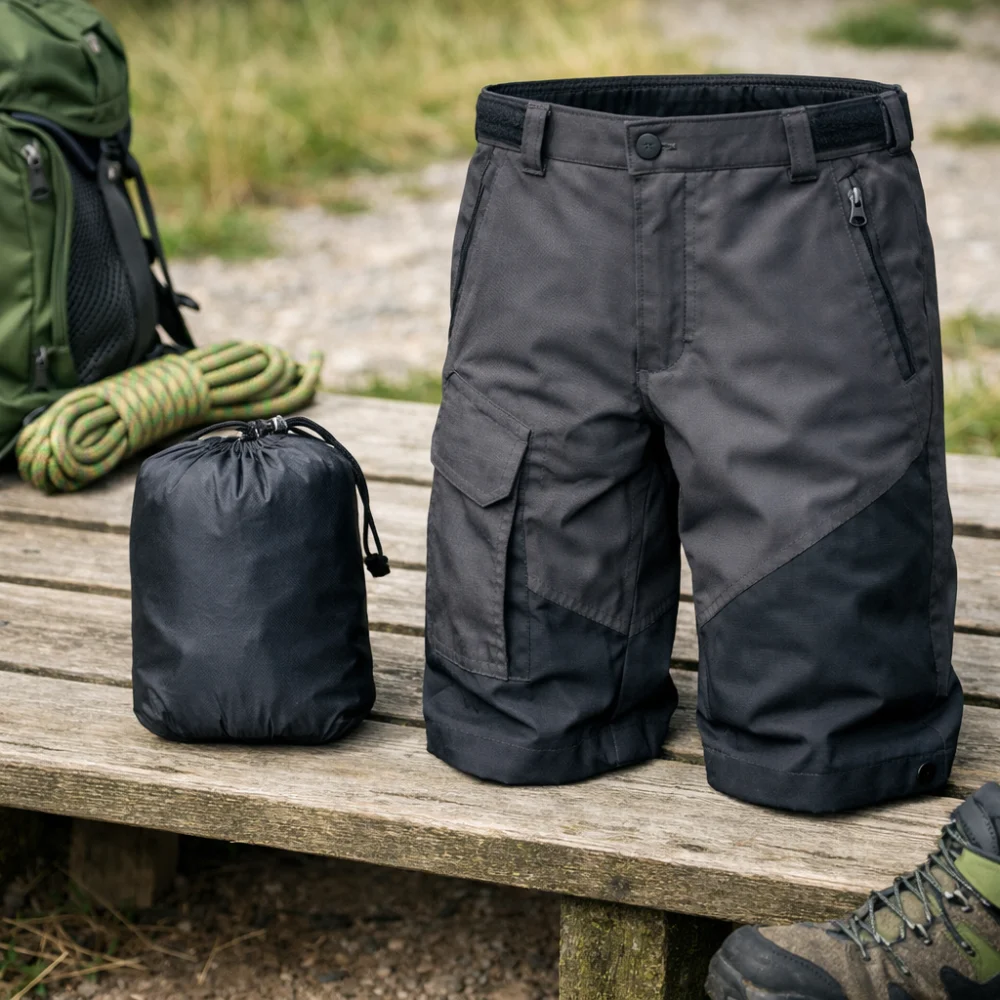
Safety and suitability caveats
Choose trousers that suit the conditions you expect to face, but do not treat any product page as a guarantee of comfort or protection in every situation. Weather, activity level and layering all affect how well a pair works in practice.
If you need them for a specific activity, check the product details carefully for intended use, fit notes and any limitations mentioned by the manufacturer. That is especially important when the trousers will be worn for longer periods or over other clothing.
Maintenance, storage and lifespan considerations
Waterproof trousers usually last better when you follow the care guidance on the individual item, especially for cleaning and drying. Dirt and repeated abrasion can affect performance and comfort over time.
For packable styles, storage matters as much as cleaning because they are often kept folded in a bag or rucksack. If you expect frequent use, a more durable pair may be worth considering even if it is less compact.
How to compare options efficiently
- Decide whether you need emergency rain cover, regular walking wear or something for repeated outdoor use.
- Check whether the pair is meant to be worn over other trousers or as the main outer layer.
- Compare fit, waist adjustment and leg opening details against what you will wear underneath.
- Look at breathability, packability and durability as trade-offs rather than features to maximise all at once.
- Read the individual product page carefully for size notes, care guidance and any usage limitations.
Buyer checklist
- Will I use these mainly for backup rain protection or for regular outdoor activity?
- Do I need them to fit over base layers or other trousers?
- Is breathability important for how active I will be?
- Do I want a light, packable pair or a more substantial outdoor option?
- Are the waist and ankle details suitable for my footwear and comfort needs?
- Have I checked the individual product page for the specific fit and care information?
Frequently asked questions
Are waterproof trousers the same as overtrousers?
Not always. Some waterproof trousers are specifically designed as overtrousers, while others are shaped more like stand-alone outdoor trousers. The difference affects fit, bulk and how easy they are to put on over existing clothing.
Do I need breathable trousers for walking?
Breathability is especially useful if you are active, because it can improve comfort inside the trousers. If you only wear them briefly in light rain, it may matter less. The right balance depends on how hard you expect to work in them.
Should I size up for waterproof trousers?
Sometimes, but not always. If you plan to wear them over other clothing, extra room can help, but too much space can make them feel awkward. It is better to check the fit notes on the product page than to assume one sizing approach fits every style.
Are packable trousers good for regular use?
They can be, but packability often comes with lighter construction. That is useful for carrying, although it may not feel as substantial for longer or more frequent wear. Think about whether convenience or all-day comfort matters more.
What details matter at the ankles?
Ankle design affects how easily the trousers go over footwear and how secure they feel in wet conditions. Zips, cuffs and adjusters can make a practical difference even when the overall style looks similar. It is worth checking these details if you wear walking boots or need quick on-and-off use.
How do I compare two similar-looking pairs?
Start with intended use, then compare fit, breathability, packability and durability. Small differences in these areas often matter more than the general appearance. Specifications vary by model, so always check the individual product page before buying.