


Outdoor caps are a simple bit of headwear, but the right choice depends on how and where you plan to use one. Some buyers want a casual cap for everyday wear, while others are looking for something that handles walking, travel, light weather or longer time outdoors.
This guide helps you compare the practical differences that matter: fit, peak shape, fabric, breathability, packability and weather resistance. It also helps you avoid paying for features you do not need, or choosing a cap that looks right but feels wrong once you wear it.
If you are narrowing down outdoor caps for sport, leisure or general use, the main question is not just how the cap looks. It is whether it suits your activity, stays comfortable over time and offers the balance of coverage and ventilation you need.
Compare Outdoor Caps


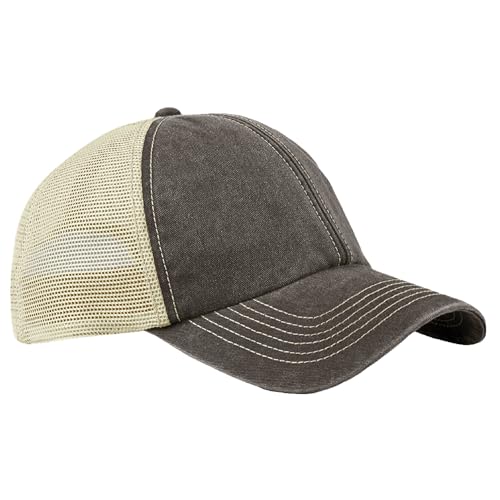
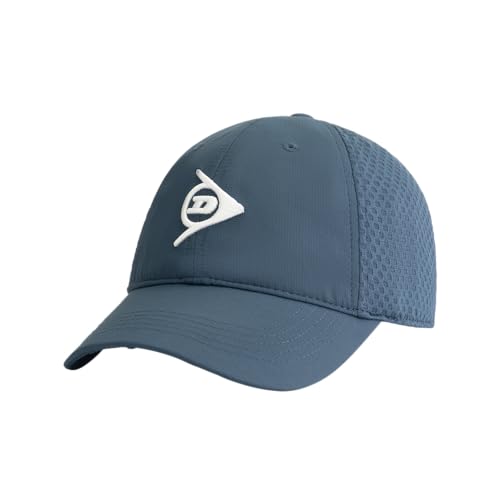


As an Amazon Associate we earn from qualifying purchases.
What should you look for in an outdoor cap?
The best starting point is the way you will wear it most often. A cap for bright, dry walks may prioritise shade and comfort, while a cap for changeable weather may put more weight on water resistance and easy packability. Fit matters just as much as the material, because a cap that rides up, sits too tight or feels unstable is unlikely to get used often.
Specifications vary by model, so always check the individual product page before buying.
| Feature | What it means | Why it matters | What to check |
|---|---|---|---|
| Fit | How the cap sits on your head and whether it adjusts easily | A comfortable fit improves everyday wear and reduces annoyance on longer outings | Adjustment method, size range and whether the shape suits your head |
| Fabric | The main material used for the cap body and peak | Fabric affects comfort, breathability, durability and how the cap handles weather | Whether it is lightweight, quick-drying, sturdy or more weather resistant |
| Ventilation | How much airflow the cap allows | Better airflow can help on warmer days or during more active use | Mesh panels, lighter fabrics or a construction that does not feel heavy |
| Coverage | How much shade the peak and crown provide | Coverage influences comfort in sun and glare | Peak length, crown depth and whether the style matches your activity |
| Packability | How easily the cap can be folded or carried | Useful for travel, day bags and changing weather | Whether it can be folded flat or kept in shape when packed |
| Weather resistance | How well the cap handles light rain or damp conditions | Helpful if you want a cap for mixed outdoor use rather than dry-weather only | Water-resistant or waterproof claims, plus drying time and care needs |
Key decision criteria
Fit and adjustability
Fit is often the most important factor because it affects comfort, stability and how often you will wear the cap. Adjustable caps can be more forgiving if you are between sizes or buying for someone else, but the adjustment method should still feel secure and easy to use. A poor fit can make a cap feel distracting even when the style looks right.
Material and comfort
Different fabrics suit different uses. Lighter materials can feel easier to wear for longer periods, while stronger or more structured materials may hold their shape better. If you expect active use, warmth, sweat or changeable weather, material choice becomes more important than the visual style alone.
Breathability versus protection
Some caps are designed to feel airy, while others focus more on coverage or weather resistance. That trade-off matters if you plan to use the cap on warmer days, during movement or on longer walks. A more protective cap may feel less ventilated, so think about which side of the trade-off matters most for your use.
Peak shape and size
The peak helps with shade and glare, but different shapes suit different preferences. A deeper or more structured peak may feel more protective, while a simpler peak can feel less intrusive and easier to pack. If you wear sunglasses or use the cap in bright conditions, the peak shape can affect how useful the cap feels in practice.
Packability and shape retention
If you want a cap for travel or to keep in a bag, consider whether it folds without losing shape. Some caps are better suited to being stuffed into a pocket or daypack, while others are intended to keep a more fixed structure. If packability matters, check how the product is described rather than assuming all caps behave the same way.
Common outdoor cap types and variants
Outdoor caps often look similar at first glance, but there are useful differences.
- Casual everyday caps suit general wear and relaxed outdoor use. They are often the simplest option, but may not offer the most weather resistance or technical comfort.
- Quick-dry or lightweight caps are useful when comfort and easy drying matter. They can be a sensible choice for active use, though they may feel less structured.
- Water-resistant caps may suit mixed weather and more changeable days. The trade-off is that weather resistance can sometimes reduce breathability.
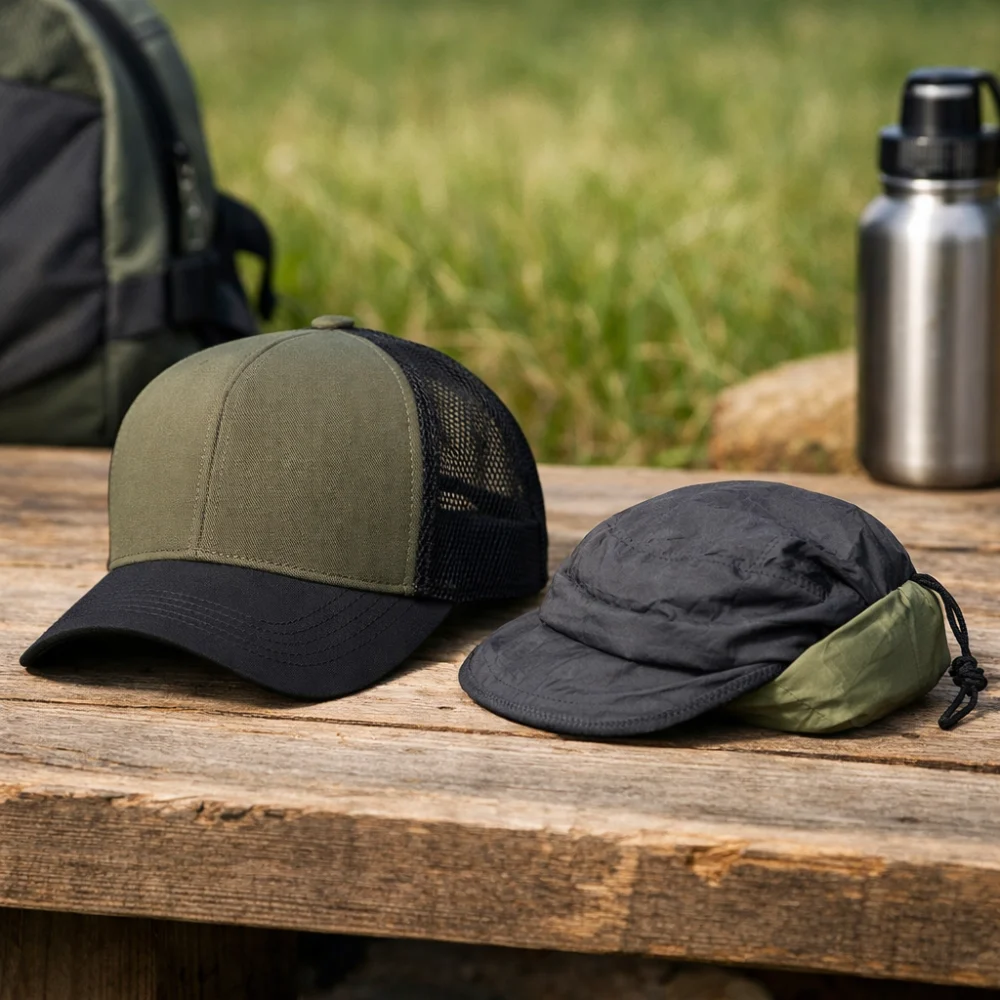
- Folding or packable caps are useful for travel and day trips. Their limitation is that they may not hold a firm shape as well as more structured designs.
Which cap suits different needs?
| Buyer need | What to prioritise | Why it helps |
|---|---|---|
| Everyday wear | Comfort, simple adjustability and a style you will actually wear | Makes the cap easier to use regularly rather than only occasionally |
| Walking and general outdoor time | Good fit, shade and comfortable fabric | Helps the cap stay practical over longer periods outside |
| Travel and packing | Packability and shape retention | Useful if the cap needs to live in a bag or suitcase |
| Changeable weather | Weather resistance and drying speed | Helps when conditions may shift during the day |
| Warmer conditions | Lightweight feel and ventilation | Can make the cap less tiring to wear in heat |
Common mistakes to avoid
- Choosing by appearance alone. A cap that looks right may still be uncomfortable, too warm or not practical for the conditions you face.
- Ignoring fit details. Small differences in adjustment and crown shape can change how secure the cap feels.
- Assuming every cap is equally weather ready. Some are mainly for dry weather and casual wear, while others are better suited to damp conditions.
- Overlooking breathability. If you plan to wear the cap for longer periods or during activity, airflow can matter as much as coverage.
- Buying a packable style when you want a structured look. A cap designed to fold easily may not keep the same shape as a firmer everyday cap.
Safety and suitability caveats
Outdoor caps are usually a low-risk purchase, but suitability still depends on the conditions and the wearer. If you want shade, think about how much of the face the peak actually covers and whether you need a different style for stronger sun or broader coverage.
For active use, make sure the cap feels secure enough for the activity and does not become distracting when you move. If a listing mentions water resistance, breathability or quick drying, check how those features are described for that exact product rather than assuming they all perform the same way.
Care, storage and everyday use
Cap care is usually straightforward, but the right routine depends on the fabric and construction. Some caps are easy to wipe clean, while others need a gentler approach to keep their shape or finish. If you expect to carry the cap in a bag, check whether it is meant to fold or whether it will need a bit more care to avoid creasing.
It is also worth thinking about how often you will use the cap. A simple cap for occasional outdoor wear may only need light care, but a cap used for active days or in mixed weather may need more frequent cleaning and drying.
How to compare outdoor caps efficiently
- Start with the main use: everyday wear, walking, travel, light weather or active use.
- Decide whether comfort, coverage, ventilation or weather resistance matters most.
- Check fit details, especially adjustment and whether the shape suits your head.
- Compare the fabric and construction for breathability, structure and ease of care.
- Look at packability if you need the cap to travel well or store easily.
- Read the individual product page carefully for the exact features of that cap.
Summary buyer checklist
- Does the cap suit your main use?
- Will the fit and adjustment feel comfortable?
- Is the fabric appropriate for warmth, breathability or weather resistance?
- Do you want a structured cap or a more packable one?
- Is the peak shape suitable for the shade or style you want?
- Have you checked the exact product page for model-specific details?
Frequently asked questions
What is the main difference between an outdoor cap and an everyday cap?
An outdoor cap is usually chosen with practical use in mind, such as comfort in changing conditions, better breathability or easier packing. An everyday cap may still work outdoors, but it may not prioritise the same balance of features. The best choice depends on whether you want style first or function first.
Are outdoor caps only for sport or walking?
No. Many people choose them for travel, gardening, commuting or casual wear as well. The useful question is not the activity label but whether the cap feels comfortable and suitable for the conditions you expect.
Should I choose a breathable cap or a more weather-resistant one?
That depends on when you will wear it most often. Breathability is usually more comfortable in warmer or more active situations, while weather resistance matters more if you expect damp or changeable conditions. Some buyers need a compromise between the two rather than the strongest version of either.
How important is adjustability?
Very important for many buyers, especially if you are unsure about fit or want a cap that is easy to share between users. A good adjustment system can make the cap more comfortable and secure. It is still worth checking how the adjustment is designed, because not every system feels the same in use.
Can I fold any outdoor cap into a bag?
Not always. Some caps are made to be more packable, while others are designed to keep a firmer shape. If you expect to carry the cap often, check whether the product is described as foldable or packable rather than assuming it will recover its shape easily.
What should I check if I want a cap for mixed weather?
Look at the material, drying time and any water-resistant claims, then balance those against comfort and ventilation. A cap that handles damp conditions well may feel warmer or less airy, so think about which compromise you can live with most easily.
Is a more structured cap better than a softer one?
Not necessarily. A structured cap may hold its shape and feel more familiar, while a softer cap can be easier to pack and sometimes more comfortable for longer wear. The better choice is the one that matches your routine and the way you plan to store or carry it.
Checking cap size and coverage
If a cap is sold by size, measure your head and compare the result with the product’s sizing guide rather than relying on labels such as small or large. For an adjustable design, check the stated size range and whether the adjustment is likely to sit comfortably; adjustable does not necessarily mean one size suits everyone.
A cap’s peak mainly provides shade from the front, so it may leave the ears and neck exposed. If you need broader coverage, consider whether a different hat style is more suitable for your intended use.
More Outdoor Caps
See all 386 Outdoor Caps →


As an Amazon Associate we earn from qualifying purchases.