


Children’s thermal underwear is a practical base layer for colder weather, helping to add warmth without the bulk of heavier clothing. It is usually worn under school uniform, outdoor kit or everyday clothes, so fit and comfort matter as much as warmth.
The right choice depends on how the layer will be used: for active outdoor play, for sitting still in cold classrooms, for travel, or for extra insulation on winter days. Because children vary so much in size, sensitivity and activity level, the details on the individual product page are worth checking carefully.
For most buyers, the main decision is not simply “warm or not warm”, but which fabric, fit and style will work best under the clothes your child already wears. A base layer that is too tight, too loose or too warm can be less useful than one that suits the intended use.
Compare Children's Thermal Underwear


As an Amazon Associate we earn from qualifying purchases.
What should you look for first?
Start with the child’s likely use, then compare fit, fabric feel and coverage. A good base layer should feel comfortable against the skin, sit neatly under other clothes and provide enough warmth without making movement awkward. Specifications vary by model, so always check the individual product page before buying.
| Feature | What It Means | Why It Matters | What To Check |
|---|---|---|---|
| Garment type | Top, bottoms or a set | Decides whether you are adding warmth where it is most needed | Whether you need a single layer or a matching top-and-bottom option |
| Fit | How closely the layer sits to the body | Base layers usually work best when worn close to the skin | Size guidance, stretch and whether the cut suits slim or average layers underneath |
| Fabric feel | The texture and softness against the skin | Comfort affects how often a child will actually wear it | Material description and any notes about soft, brushed or smooth finishes |
| Warmth level | How much insulation the layer is intended to add | Different activities need different amounts of warmth | Whether it is better suited to light layering or colder conditions |
| Breathability | How well the fabric manages body heat and moisture | Useful for active play and changing conditions | Any mention of moisture management, lightweight fabric or active use |
| Ease of care | How straightforward it is to wash and dry | Important for schoolwear and frequent use | Washing guidance, drying expectations and whether it is easy to keep in rotation |
Key factors that affect the choice
Fit and layering
Thermal underwear should usually sit close to the body so it can trap warmth efficiently under other clothes. If it is too baggy, it may bunch up under schoolwear or feel awkward during active play. If it is too tight, it may feel restrictive and reduce comfort, especially for children who dislike close-fitting clothing.
Fabric and comfort
The fabric choice affects both warmth and how the garment feels in daily wear. Some children prefer a smooth, lightweight base layer; others need a softer, warmer feel for colder conditions. Comfort is especially important for younger children, because an uncomfortable layer may simply be rejected after a short time.
Coverage and garment style
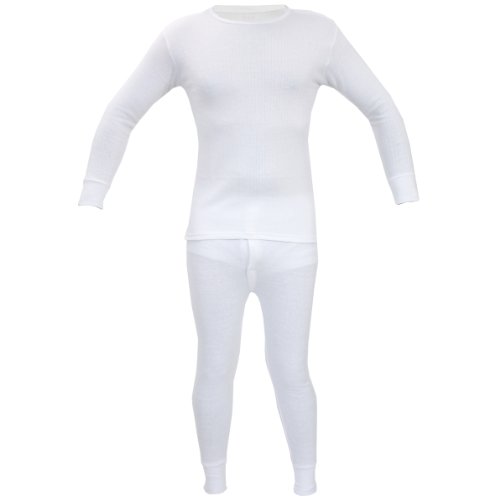
Some shoppers only need a thermal top, while others need bottoms as well for colder days. A set can be helpful when you want a matched layer for a full outfit, but a single piece may be more useful if only one part of the body tends to feel cold. Think about where the extra warmth is actually needed rather than defaulting to the most complete option.
Season and activity level
A child who is running around outside needs a different balance from one who is mainly commuting, sitting in class or travelling. More active use usually calls for a lighter, more breathable layer, while quieter use may justify something warmer. The same garment can feel very different depending on how hard the child is working.
Common product types and how they differ
Within this category, the main difference is usually the style of coverage rather than a completely different product concept.
- Thermal tops add warmth through the torso and arms and are useful when a child mainly needs an extra layer under school clothes or outdoor jackets.
- Thermal bottoms help where legs get cold easily and can be useful for outdoor time, travel or very cold days.
- Thermal sets provide top and bottom coverage together, which can be convenient when full-body layering is needed.
The best choice depends on whether you want targeted warmth or a more complete base layer system. A set can be convenient, but a single piece may be more flexible if only one area tends to need extra insulation.
Which option suits which need?
| Buyer need | Likely priority | What usually helps | Trade-off to keep in mind |
|---|---|---|---|
| School layering | Comfort under uniform | Close fit, smooth feel and easy care | Warmth is useful, but bulk can be a problem |
| Outdoor play | Movement and breathability | Flexible fabric and a fit that allows running and climbing | Very warm layers can become too hot when activity increases |
| Colder climates or winter trips | Extra insulation | More complete coverage, possibly a full set | More warmth can mean more bulk under outer clothing |
| Sensitive children | Softness and non-restrictive feel | Simple construction and comfortable fabric against the skin | The softest-feeling option is not always the warmest |
| Frequent washing | Easy maintenance | Clear care instructions and practical everyday fabric choice | Quick care is useful, but it should still fit the child well |
Common mistakes to avoid
- Choosing warmth without checking fit. A layer that is too loose may not work well under clothes, while one that is too tight may be uncomfortable.
- Buying a set when only one piece is needed. More coverage is not always better if the child only feels cold in one area.
- Ignoring how it will be worn. Schoolwear, active outdoor use and travel all create different comfort needs.
- Overlooking fabric feel. Children are more likely to wear a thermal layer consistently if it feels comfortable from the start.
Safety and suitability checks
Choose a thermal layer that suits the child’s age, size and likely use rather than relying on the idea that one option will work for every situation. Check the individual product page for sizing information, care guidance and any notes about intended use. If a child has particularly sensitive skin or strong comfort preferences, fabric feel may matter as much as warmth.
Care, storage and long-term use
Thermal underwear is often bought for regular use, so easy care matters. Look for garments that fit into a normal washing routine and can be stored with other base layers or school clothes without needing special treatment. If a child wears thermals frequently, having a simple rotation can make the item more practical over the season.
As with any clothing, repeated washing and everyday wear can affect how long a layer stays comfortable and effective, so it is sensible to check care instructions before buying. A practical option is often the one the child can wear repeatedly without fuss.
How to compare options efficiently
- Decide whether you need a top, bottoms or a full set.
- Think about the main use: school, outdoor play, travel or colder weather.
- Compare fit, fabric feel and warmth level before looking at anything else.
- Check how the layer is likely to sit under normal clothing.
- Read the individual product details for sizing and care information.
Summary buyer checklist
- Does the child need a top, bottoms or a set?
- Will it be worn mainly for school, outdoor activity or colder conditions?
- Is the fit likely to work comfortably under other clothes?
- Does the fabric sound suitable for the child’s comfort preferences?
- Is the layer likely to be breathable enough for the intended use?
- Are washing and care expectations practical for regular wear?
Frequently asked questions
Should children’s thermal underwear be tight-fitting?
It should usually sit close to the body, but not feel restrictive. A snug fit helps it work as a base layer, while a very tight fit may reduce comfort and make it less likely to be worn. Checking the sizing guidance is important because different garments can fit differently.
Is a thermal set better than buying separate pieces?
Not always. A set is useful when you want consistent warmth from top to bottom, but separate pieces can be better if only one area tends to feel cold or if you want more flexibility. The right choice depends on how the child will actually wear it.
Can children wear thermal underwear every day?
Yes, if the garment is comfortable and suitable for regular use. The main things to consider are fit, fabric feel and whether it works well under the clothes the child usually wears. For frequent wear, easy care is also worth checking.
What is the difference between a thermal top and a base layer top?
In buying terms, the terms are often used in a similar way, but the exact meaning can vary by product. What matters most is whether the garment is designed to sit close to the body and add warmth as a first layer. Always check the product details rather than relying on the name alone.
Should I choose more warmth or more breathability?
That depends on how active the child will be. Higher activity usually benefits from a more breathable layer, while quieter or colder use may need more insulation. If the child is between sizes or uses the layer in changing conditions, comfort and flexibility often matter most.
How do I know if the size will work under school clothes?
Look for a close but comfortable fit and compare the garment’s sizing notes with the child’s usual clothing size. A layer that is too bulky can show through uniform or feel awkward, so the cut matters as much as the label size. The product page should give the best guide for that item.
Checking size and fit before choosing
Children’s clothing sizes can vary between garments, so use the individual product’s size guidance rather than relying on the age label alone. Where measurements are provided, compare them with the child’s measurements and consider what clothing will sit over the layer. A close fit can suit base-layer wear, but it should still allow comfortable movement and not feel restrictive.
If the child is between sizes, compare the garment’s measurements and fit notes with the intended use rather than automatically choosing the larger size. Extra room may add bulk under uniform or other layers, while a closer cut may not suit every child’s comfort preferences.
More Children's Thermal Underwear
See all 82 Children's Thermal Underwear →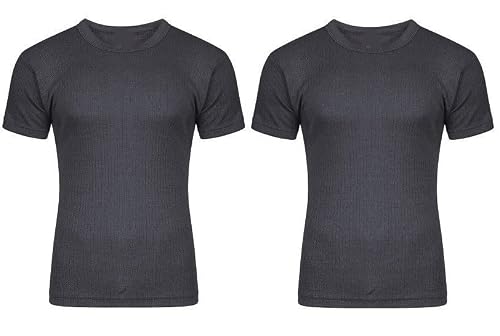


As an Amazon Associate we earn from qualifying purchases.