

Women’s riding gloves are a small part of your riding kit, but they can make a noticeable difference to comfort and rein control. The right pair should feel secure without being restrictive, and should suit the way you ride as well as the weather you usually ride in.
This guide helps you compare the choices that matter most: fit, grip, warmth, dexterity and ease of care. It is written for buyers who want a practical way to narrow down options without getting lost in minor details.
Because glove design varies across styles and brands, the useful question is not simply which pair looks similar, but which pair suits your hands, your riding routine and the conditions you face most often.
What should you look for first?
Start with fit and purpose. A glove that is too loose can feel bulky on the reins, while one that is too tight may be uncomfortable and tiring to wear. After that, decide whether you need a lighter glove for better feel, a warmer glove for colder weather or a more hard-wearing option for frequent use.
The main trade-off is usually between sensitivity and protection. Thinner gloves tend to give more direct feel, while thicker or insulated gloves can improve comfort in cooler conditions but may reduce dexterity. Specifications vary by model, so always check the individual product page before buying.
| Feature | What it means | Why it matters | What to check |
|---|---|---|---|
| Fit | How closely the glove follows your hand shape | Affects comfort, movement and how securely the glove stays in place | Size guidance, cuff style and whether the glove is meant to fit close |
| Grip | The amount of hold the glove gives on reins and related tack | Helps with control and confidence in the hand | Palm finish, reinforcement and whether the grip style suits your preferred feel |
| Warmth | How much insulation or coverage the glove provides | Important for cold-weather riding and longer sessions outdoors | Lining, thickness and whether the glove is intended for winter use |
| Dexterity | How easily you can move fingers and feel the reins | Useful for finer control and everyday handling | Material flexibility, seam placement and bulk in the fingertips |
| Durability | How well the glove is likely to handle regular wear | Matters for frequent riding and general value | Reinforced areas, stitching and materials suited to repeated use |
| Care | How easy the gloves are to clean and maintain | Useful if you ride often or want low-fuss upkeep | Cleaning guidance and whether the materials need special care |
Key decision criteria explained
Fit and sizing
Gloves should feel snug enough to avoid slipping, but not so tight that they restrict movement. Fingers that are too long or too short can affect comfort and control, so it is worth comparing any size guidance with how you normally buy gloves.
If you are between sizes, think about how you will use them. A close fit may suit riders who want more feel, while a slightly more relaxed fit may be more comfortable for longer wear or colder conditions.
Material and finish
The material affects flexibility, grip and how the glove feels over time. Some gloves are designed to prioritise a lighter, more tactile feel, while others focus more on warmth, durability or weather resistance.
Consider where you ride most often. An indoor or milder-weather rider may prefer a lighter glove, while a rider who spends more time outdoors may value added coverage or insulation.
Reinforcement and wear points
Riding gloves often wear first in the palm, fingers and thumb areas where reins are held. Reinforced sections can be helpful for frequent use, but they may also add bulk.
If you ride regularly, compare where the glove is strengthened and whether that reinforcement seems likely to help without making the glove feel too stiff for your needs.
Seasonal comfort
Some gloves are better for mild weather, while others are designed to cope better with colder conditions. A seasonal approach can be more practical than trying to find one pair that does everything equally well.
If you ride in mixed weather, it may be worth thinking about whether you need one versatile pair or separate pairs for different conditions.
Types and variants you may see
Within this category, the main differences are usually about warmth, flexibility and overall feel rather than dramatic design changes.
- Lighter riding gloves: Suited to riders who want more direct feel and less bulk.
- Warmer or insulated gloves: Suited to colder conditions, but may feel less precise.
- More durable everyday gloves: A practical choice for frequent use and regular handling.
- More flexible or close-fitting gloves: Helpful when hand feel and dexterity matter most.
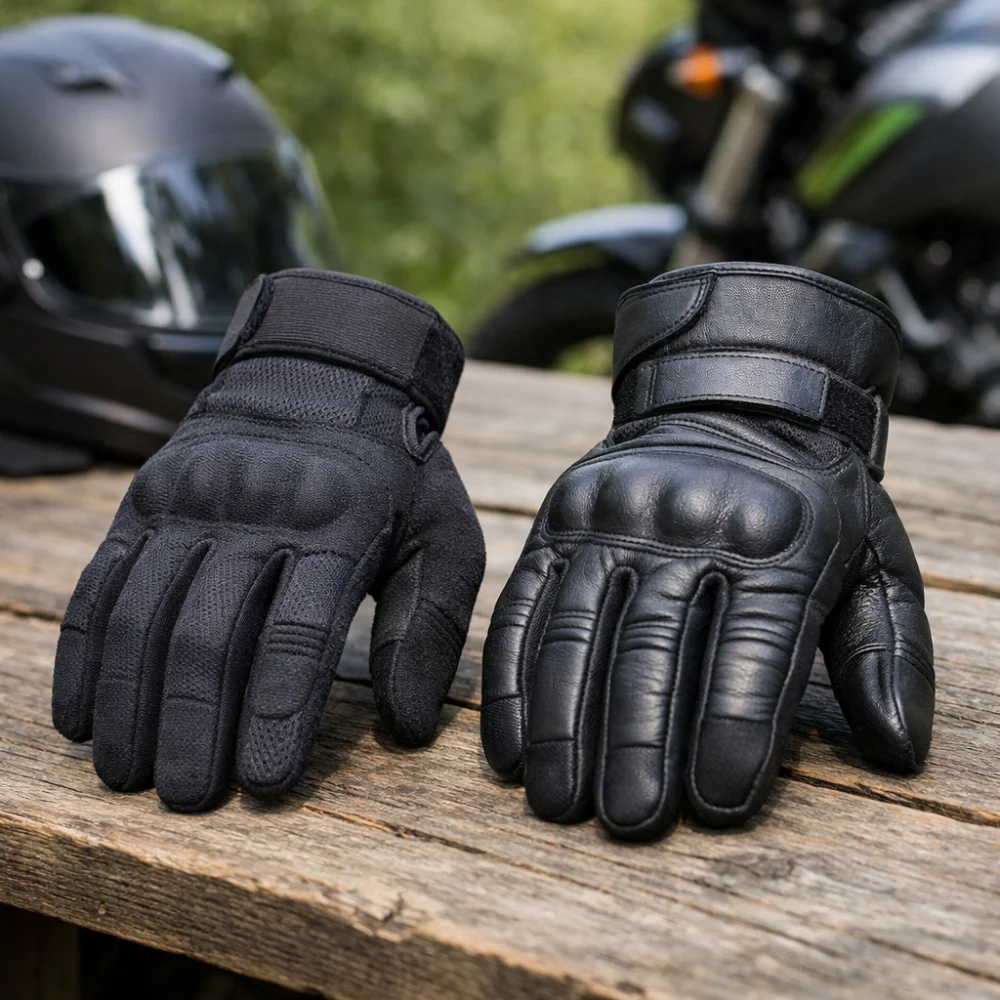
None of these is automatically better; the right choice depends on how much warmth, grip and sensitivity you want to balance.
Which gloves suit different buyers?
| Buyer need | What to prioritise | Trade-off to accept |
|---|---|---|
| Everyday schooling or casual riding | Comfort, a secure fit and a balanced feel | May not be the warmest or most hard-wearing option |
| Cold-weather riding | Warmth, coverage and enough grip to stay confident in the hand | Some loss of finger sensitivity is common |
| Frequent riding or yard use | Durability and easy care | Heavier materials can feel less supple |
| Riders who want fine rein feel | Close fit, flexibility and minimal bulk | May offer less insulation and cushioning |
| Gift buyers | Flexible sizing information and a broadly useful design | Fit is harder to judge without knowing hand measurements |
Common mistakes to avoid
- Choosing on appearance alone: a glove that looks neat may still be the wrong fit or too warm for your riding.
- Ignoring hand shape: length, width and finger fit all affect comfort, not just the size label.
- Overlooking the riding conditions: a summer-weight glove may not be comfortable in cold or wet weather.
- Expecting one pair to suit every task: a glove ideal for feel may not be the best choice for warmth or heavy use.
- Forgetting care requirements: some materials need more attention than others if you want them to last well.
Suitability and buying caveats
Riding gloves should support your riding, not get in the way of it. If you have particularly small or large hands, or if you prefer a very close fit, check the sizing guidance carefully rather than assuming a standard size will work.
If you ride in changing weather, think about whether you are buying for one season or for year-round use. A glove that works well in one setting may feel less comfortable in another.
Care, storage and lifespan considerations
Gloves last longer when they are stored clean and dry and allowed to dry properly after use. If they are used often, they may gradually soften, lose grip or show wear in the palm and fingertips sooner than occasional-use gloves.
Simple care is often a useful buying factor. If you prefer low-maintenance kit, look for gloves that seem straightforward to clean and that do not depend on delicate materials unless you are prepared for that upkeep.
How to compare options efficiently
- Decide when and where you will wear the gloves most often.
- Choose the balance you need between grip, warmth and dexterity.
- Compare fit guidance carefully, especially if you are between sizes.
- Check the likely wear points and how easy the gloves are to care for.
- Read the individual product information before deciding.
Summary buyer decision checklist
- Have I chosen gloves for the main riding conditions I face?
- Does the fit look close enough without feeling restrictive?
- Is the balance of grip and dexterity right for me?
- Do I need extra warmth or a lighter feel?
- Will the materials and care needs suit how often I ride?
- Have I checked the individual product page for any model-specific details?
Frequently asked questions
How should riding gloves fit?
They should feel snug and secure without pinching or limiting movement. A good fit helps with control and comfort, especially when you are holding the reins for longer periods.
Are thinner gloves better for riding?
Thinner gloves often give more feel, which some riders prefer. However, they may offer less warmth or cushioning, so they are not always the most comfortable choice for colder conditions.
Do I need a different pair for winter?
If you ride regularly in cold weather, a warmer pair can be more comfortable than a general-purpose glove. Many riders find it useful to compare a lighter everyday pair with a seasonal option.
What matters more: grip or dexterity?
It depends on how you ride and what feels comfortable in your hand. Riders who want a close connection may prioritise dexterity, while others may prefer a little more grip and coverage.
Are riding gloves hard to care for?
That depends on the materials and construction. Some are straightforward to clean and store, while others need a little more attention to keep their shape and comfort.
Can I buy riding gloves as a gift?
Yes, but fit makes gift-buying more difficult than for many other accessories. If you are unsure, look for clear sizing information and a versatile style that is likely to suit everyday use.