

Crossbows can suit buyers who want a compact archery setup, a different shooting feel from a traditional bow, or a more specialised option for target or recreational use. The main challenge is not simply choosing a crossbow, but choosing one that fits the way you plan to use it.
This guide focuses on the buying decisions that matter most: how the design feels, what to check on the product page, and where people often overestimate what a model will do. It is meant to help you compare options calmly and avoid choosing on appearance alone.
Because crossbows vary widely, the most sensible approach is to start with your intended use and then check the details that affect handling and suitability. Specifications vary by model, so always check the individual product page before buying.
What should you look for when buying a crossbow?
The best starting point is to match the crossbow to your experience level, intended use and comfort with size and handling. The most useful trade-off is usually between ease of use, compactness and the amount of setup or adjustment you are willing to manage. A well-chosen crossbow is one that feels manageable and suits the type of shooting you actually plan to do, rather than the one with the most eye-catching specification.
| Feature | What it means | Why it matters | What to check |
|---|---|---|---|
| Intended use | The main purpose of the crossbow, such as target practice or recreational shooting | Affects the type of handling and features that make sense | Whether the product page describes the crossbow for your planned use |
| Size and handling | How compact, balanced and easy it feels to manage | Influences comfort, control and ease of carrying or setting up | Overall form factor, weight information and any handling notes |
| Draw and loading approach | How the crossbow is drawn and prepared between shots | Shapes ease of use and the effort involved in shooting | Any included mechanisms or required accessories |
| Build and materials | The construction approach used in the bow assembly and body | Can affect durability, feel and maintenance expectations | Materials listed and any care guidance on the page |
| Included accessories | Items supplied with the crossbow or required separately | Changes the true cost and readiness to use | What is included, and what must be bought separately |
| Suitability and limits | The practical boundaries of the model | Helps avoid buying something too specialised or too basic | Any stated limitations, recommended user level or usage notes |
Key decision criteria explained
Intended use
Start by deciding whether you want a crossbow mainly for target shooting, introductory use or general recreational shooting. That choice matters because the most suitable design is often the one that feels predictable and manageable, not simply the one with the most features. If you are comparing options for different users, be realistic about who will handle it and how often.
Handling and size
A crossbow that looks compact may still feel awkward if it is heavy, unbalanced or difficult to position comfortably. Handling affects confidence, especially for newer buyers, so it is worth paying attention to the shape and any information about weight or overall dimensions. If space is limited where you store or carry it, compactness may matter as much as appearance.
Loading and setup
Some buyers want a simpler setup experience, while others are comfortable with more steps if the design suits their needs better. The important question is not whether a model sounds advanced, but whether its loading and preparation process matches your patience, experience and intended use. Check whether any accessories or extra items are needed to complete the setup.
Materials and build
The way a crossbow is made can affect its feel, maintenance expectations and how confident it seems in use. Rather than assuming that one material is always better, compare what the product page actually says about the frame, limbs and other visible construction details. If the listing is light on information, treat that as a signal to be cautious and compare more than one option.
Accessory needs
Crossbows are often easier to compare once you know what is included and what is not. A model that seems straightforward may still rely on separate accessories before it is fully ready for your intended use, so check the listing carefully. That comparison is especially useful if you are buying as a gift or trying to keep the overall purchase simple.
Product types and variants
Within this category, the real differences are usually about how the crossbow is configured and how it is intended to be used rather than about broad, separate product families. Some options are likely to feel more straightforward for newer buyers, while others may suit buyers who already know the handling style they prefer.
When comparing variants, focus on practical differences such as size, included accessories and how much setup is involved. That is usually more helpful than comparing names alone.
Who is each type likely to suit?
| Buyer need | What to prioritise | Why it helps |
|---|---|---|
| New to crossbows | Straightforward handling, clear listing information and manageable setup | Makes the first purchase easier to live with |
| Recreational target shooter | Comfortable feel, consistent setup and practical accessory information | Supports repeated use without unnecessary complexity |
| Buyer with limited storage space | Compact form factor and clear dimensions | Reduces problems with storage and transport |
| Gift buyer | Simple specification, obvious included items and clear suitability notes | Makes it easier to judge whether the choice is appropriate |
| Experienced archery buyer | Detailed product information and well-explained differences between models | Helps compare options more efficiently |
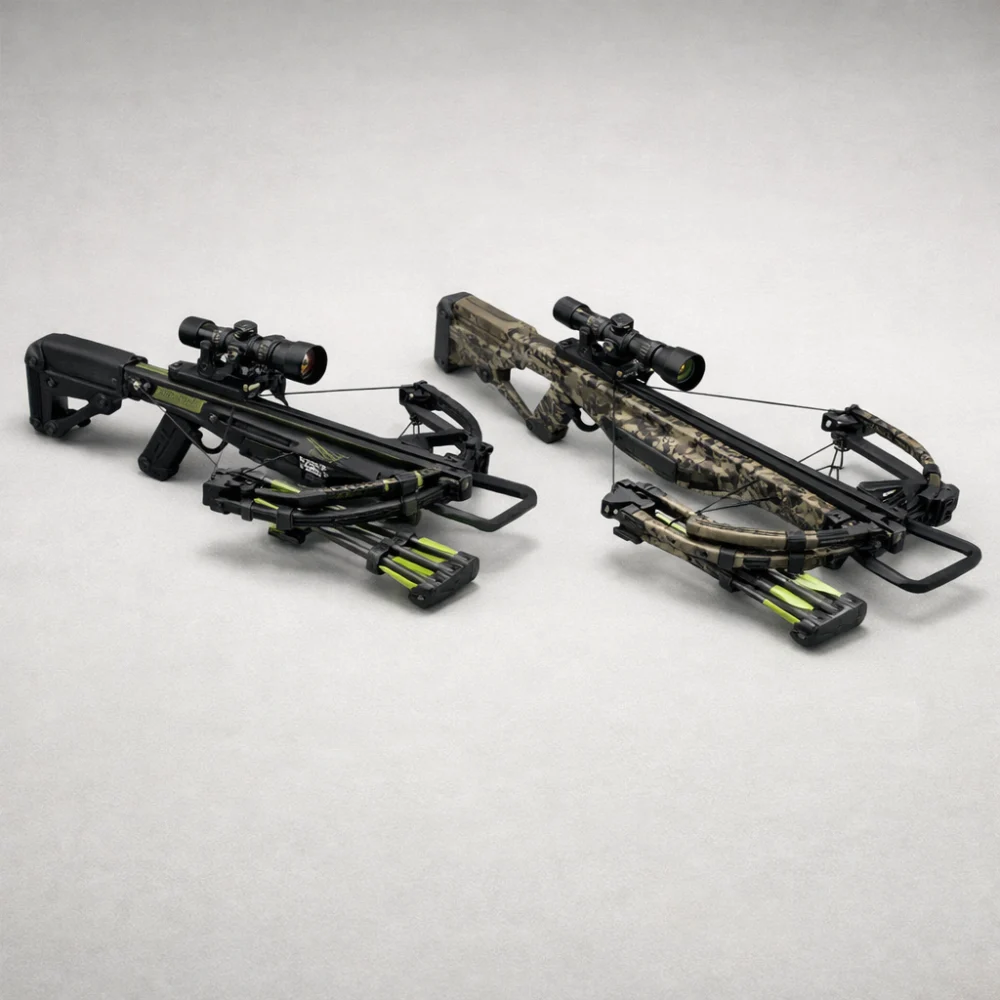
Common mistakes and misunderstandings
- Choosing on appearance alone. A crossbow may look impressive but still be awkward for the way you want to use it. Compare handling, setup and included items instead.
- Assuming all accessories are included. Some listings are more complete than others. Check exactly what comes in the box before comparing value.
- Ignoring intended use. A model that suits one buyer may be poorly matched to another. Start with your actual use case and narrow from there.
- Overlooking storage and transport. Size and shape can matter as much as performance. Make sure the product fits where you plan to keep it.
Safety and suitability caveats
Crossbows are specialised items and should only be considered by buyers who are comfortable with their responsibilities and local rules around use and possession. Do not assume a product is suitable simply because it is compact, easy to hold or marketed as beginner-friendly. Check the individual product page for any suitability notes and confirm that the item matches your intended lawful use.
Maintenance, storage and ownership considerations
General care and storage can affect how practical a crossbow feels over time. Buyers should think about where it will be stored, whether it needs protective handling between uses and whether any accessories or consumable items are part of regular ownership. A model that is easy to store and straightforward to look after may suit someone better than a more elaborate option.
If you are comparing several products, consider how much ongoing attention each one appears to need. Some buyers prefer a simpler ownership experience, while others are happy to manage more setup or accessory checking in exchange for a more specialised design.
How to compare options efficiently
- Decide what you want the crossbow to do and who will use it.
- Compare the overall size, handling and setup style.
- Check what is included and what needs to be added separately.
- Look for any limitations, suitability notes or user guidance on the product page.
- Choose the option that best balances comfort, practicality and the level of complexity you are happy with.
Summary buyer decision checklist
- Have you matched the crossbow to your intended use?
- Do you understand how it is handled and how much setup it needs?
- Have you checked what accessories are included?
- Does the size suit your storage and transport needs?
- Have you read the individual product page for any suitability notes?
- Are you comfortable with the level of responsibility and care it requires?
Frequently asked questions
What is the main thing to look for first?
Start with intended use. If you know whether the crossbow is for target practice, recreational use or a more specific purpose, it becomes much easier to compare the rest of the details sensibly.
Do more features always mean a better crossbow?
Not necessarily. Extra features can be useful, but they can also add complexity or make the product less straightforward to manage. A simpler model can be a better choice if it suits your needs more closely.
Should a beginner buy the most compact option?
Not automatically. Compact size can help with storage and handling, but it is still important to check whether the overall design feels manageable and whether the product information is clear enough for a first-time buyer.
How important is what is included with the product?
Very important, because it affects how ready the item is for your intended use. Some listings include more of the needed items than others, so always check the full contents rather than assuming they are all the same.
What should I compare if two products seem similar?
Look at the details that affect ownership day to day: size, handling, setup, included accessories and any suitability notes. Small differences there are often more meaningful than a superficial similarity in appearance.
Is it worth checking the product page closely even if the title sounds right?
Yes. Product titles do not always tell you everything you need to know, and the important practical details may be in the listing text. That is especially true where specifications vary by model.