


Recurve bows are a classic archery choice for target practice, club shooting and recreational use. If you are comparing them for the first time, the main challenge is not just choosing a bow shape, but working out which draw weight, size and accessory setup suits your experience and intended use.
This guide focuses on the buying questions that matter before you get to the product page. It helps you understand what a recurve bow is good for, where the trade-offs are, and which details are worth checking carefully.
Whether you are a beginner looking for a first setup, a returning archer replacing gear, or a buyer comparing options as a gift, the aim is the same: make the category easier to narrow down without assuming that one recurve bow suits everyone.
Compare Recurve Bows


As an Amazon Associate we earn from qualifying purchases.
What should you look for in a recurve bow?
The best starting point is a bow that matches the archer’s experience, intended range of use and comfort level. Recurve bows can feel straightforward in design, but the details that matter most are often the practical ones: draw weight, handedness, overall length and whether the bow is intended as a simple bare bow or part of a more equipped setup.
The biggest trade-off is usually between ease of use and performance potential. A lighter, more manageable bow can be easier to learn on, while a bow set up for more demanding use may need more experience and a clearer idea of accessories and tuning. Specifications vary by model, so always check the individual product page before buying.
| Feature | What It Means | Why It Matters | What To Check |
|---|---|---|---|
| Draw weight | How much effort is needed to draw the string | Affects comfort, control and suitability for the archer | Choose a level that matches experience and strength |
| Handedness | Which hand holds and controls the bow | An incorrect orientation can make the bow awkward or unsuitable | Confirm whether the bow is left- or right-handed |
| Bow length | The overall size of the bow | Can influence stability, comfort and how the bow feels in use | Check the stated length and consider the archer’s build and use case |
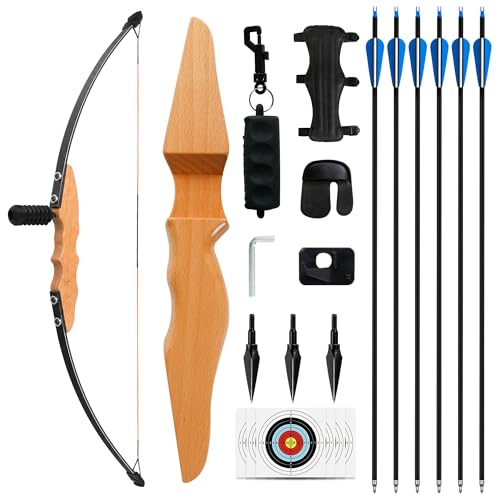
| Setup style | Whether it is a simple bow or one intended for added accessories | Changes how adaptable the bow may be | Look for the intended configuration and included items |
| Intended use | Target practice, club shooting or general recreational use | Different use cases favour different handling characteristics | Match the bow to the main purpose rather than buying on appearance alone |
Key decision criteria explained
Draw weight
Draw weight is one of the most important choices because it affects how easy the bow is to draw, hold and repeat accurately. A bow that is too heavy can be tiring and make learning harder, while one that is too light may not suit a more experienced archer’s goals. For a beginner, control and consistency are often more useful than chasing a higher number.
Handedness and grip feel
Recurve bows are built for a specific handedness, so this is not a detail to gloss over. The bow should match the hand that holds and supports it in the expected way, otherwise the setup can feel uncomfortable or wrong. If you are buying for someone else, check carefully rather than assuming a standard orientation.
Length and handling
Bow length affects how the bow feels in the hand and how stable it may seem during use. Longer options can feel calmer for some archers, while shorter options may be easier to handle in tighter spaces or for smaller users. The right answer depends on the archer’s size, style and comfort, so it is worth comparing the stated length with the intended user’s needs.
Accessory compatibility
Some buyers want a simple bow, while others may want a setup that can support accessories now or later. That difference changes the buying decision: a stripped-back bow may be simpler, but a more configurable one can give more room to grow. Check what is included and what the product page says about fitting accessories before assuming anything.
Types and variants within recurve bows
Within this category, the main variation is usually less about a long list of sub-types and more about setup and intended use. Some recurves are aimed at straightforward recreational shooting, while others are better suited to a more developed archery setup. That means the shopping decision is often about matching the bow’s feel and intended use to the archer rather than choosing from many dramatically different shapes.
If you are comparing options, think in terms of simplicity versus flexibility. A simpler bow can be easier to understand and use, while a more adaptable bow may give you more room to adjust as your experience grows.
Who each option may suit
| Buyer need | What to prioritise | Why |
|---|---|---|
| Beginner | Comfortable draw weight, clear handedness, simple setup | These help the bow feel manageable and easier to learn with |
| Returning archer | Familiar handling, suitable length, accessory compatibility | It is easier to get back into shooting with a bow that matches previous preferences |
| Gift buyer | Known handedness, sensible draw weight, broad suitability | A gift works better when the basic fit is right and the setup is not overly specialised |
| Club or target user | Consistency, handling feel and intended shooting style | More regular use benefits from a bow that supports repeatable form |
Common mistakes to avoid
- Choosing by appearance alone: a bow can look suitable and still be wrong in draw weight or handedness.
- Ignoring the intended user: what works for an experienced archer may be too demanding for a beginner.
- Overlooking setup details: some buyers focus on the bow itself and forget to check what is included or whether accessories are expected.
- Assuming all recurves feel the same: length, grip feel and draw weight can change the experience noticeably.
Safety and suitability caveats
Archery equipment should always be chosen with appropriate supervision, a suitable shooting environment and the user’s experience in mind. Because the right choice depends on the individual archer, do not rely on a category label alone to judge suitability. Check the product page carefully for the handedness, intended use and any included components before buying.
Care, storage and ownership considerations
When comparing recurve bows, it helps to think beyond the first use. A bow that is easy to store safely, transport conveniently and keep in good condition may be a better long-term choice than one that only looks appealing at first glance. If the setup includes separate components or accessories, that can also affect how much attention the bow needs after use.
For buyers who expect regular sessions, it is sensible to consider how simple the bow will be to handle between outings. A straightforward setup can be easier to keep organised, while a more developed arrangement may offer more adjustment but ask for more care.
How to compare recurve bows efficiently
- Start with the archer’s experience level and intended use.
- Check draw weight first, then confirm handedness.
- Compare length and handling style for comfort and control.
- Look at whether the bow is simple or intended for a more configurable setup.
- Read the individual product page carefully for the exact included items and any model-specific details.
Summary buyer decision checklist
- Does the bow match the intended archer’s handedness?
- Is the draw weight sensible for their experience and comfort?
- Does the length suit the way they plan to shoot?
- Is the setup simple enough, or flexible enough, for the intended use?
- Have you checked what is included and what is not?
- Have you compared the product page rather than relying on the category name alone?
Frequently asked questions
What is a recurve bow used for?
Recurve bows are commonly chosen for target practice, club shooting and general recreational archery. They are often a good starting point for buyers who want a traditional bow style with a straightforward feel. The right choice depends on how and where the bow will be used.
How do I know which draw weight to choose?
Think about the archer’s strength, experience and how comfortable they are likely to be with repeated draws. A lighter option is often easier to learn with, while a heavier one may suit a more experienced user. If in doubt, prioritise control and consistency over a number that sounds more impressive.
Why does handedness matter so much?
Handedness affects how the bow is held and used, so the wrong orientation can feel awkward or unsuitable. This is one of the first details to check before buying. If the bow is for a gift or for someone else, confirm this carefully.
Are recurve bows good for beginners?
They can be, especially when the draw weight is manageable and the setup is not overly complicated. Beginners often do better with equipment that feels controllable and easy to understand. The most suitable option is usually the one that supports good form rather than forcing effort.
Do I need accessories with a recurve bow?
Not always. Some buyers prefer a simple setup, while others want a bow that can work with added accessories or future changes. Check the product page to understand what is included and whether the bow is intended for a bare or more developed setup.
What should I compare first when looking at different recurves?
Start with draw weight and handedness, because those have the biggest effect on whether the bow will actually suit the user. After that, compare length, feel and intended use. Specifications vary by model, so always check the individual product page before buying.
Check draw length as well as the bow’s stated weight
A bow’s stated draw weight may be measured at a specified draw length, and the force can differ if the archer draws the bow a different distance. This means a weight figure alone may not tell you how the bow will feel for a particular person. Check the product information for the basis of the stated weight, and consider having an experienced archer or coach help assess fit, especially for a first bow.
One-piece and takedown construction
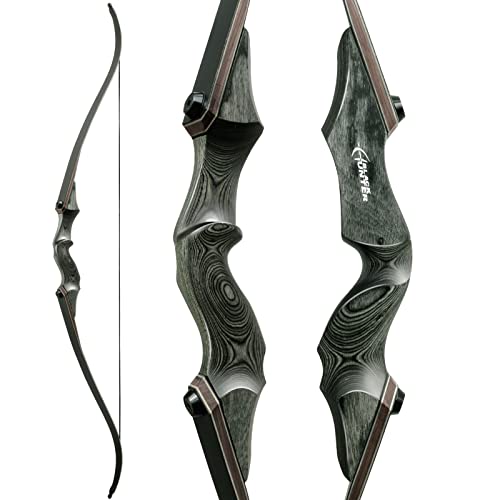
A one-piece recurve keeps the bow together as a single unit, while a takedown design separates into components, typically for easier transport or storage. Takedown bows may also allow changes to components, but that does not mean every limb will fit every riser. If interchangeability or future changes matter, check the product information for the exact compatible components rather than assuming parts can be mixed.
Check arrow fit before choosing a set
Arrows need to suit the bow and the archer’s draw, including appropriate length and shaft stiffness (often called spine). A package that includes arrows is not automatically a suitable match for every user or setup. Check the stated arrow details and compatibility information; if these are unclear, ask a knowledgeable archery instructor or retailer before choosing.
More Recurve Bows
See all 57 Recurve Bows →



As an Amazon Associate we earn from qualifying purchases.