


Finger tabs are a simple but important part of archery equipment for many bare-finger shooters. They sit between the bowstring and your drawing fingers, helping you choose a setup that feels comfortable and consistent.
If you are comparing finger tabs for the first time, the main challenge is not choosing the most elaborate option. It is finding one that suits your drawing style, hand size and the kind of shooting you do, without getting in the way of a clean release.
This guide explains the main buying factors, the common types you are likely to see and the practical checks that help narrow the choice.
Compare Finger Tabs


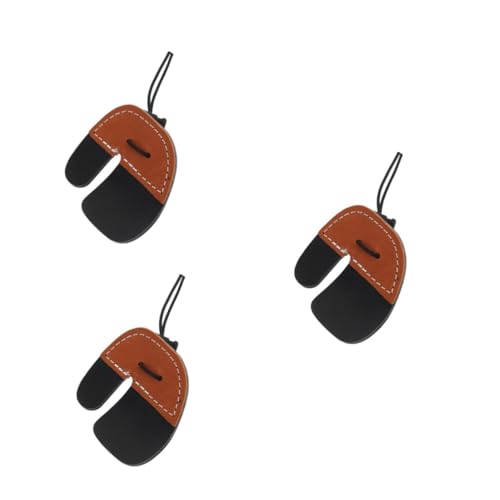


As an Amazon Associate we earn from qualifying purchases.
What should you look for in a finger tab?
The best starting point is fit and feel. A tab should cover the fingers you intend to use, sit securely without pinching and allow you to draw and release the string in a controlled way. After that, the most useful comparisons are material, thickness, adjustability and how much hand coverage you prefer.
Finger tabs vary in design, so the details matter more than the name of the product type. Specifications vary by model, so always check the individual product page before buying.
| Feature | What it means | Why it matters | What to check |
|---|---|---|---|
| Fit | How securely the tab sits on your drawing hand | A poor fit can feel awkward or distract from the shot | Hand size, finger coverage and any adjustable fastening |
| Finger protection | The amount of material between your fingers and the string | Helps with comfort during repeated shooting | Tab shape, material and whether it suits your draw style |
| Release feel | How the string leaves your fingers | Influences consistency and shooting comfort | Whether the tab feels smooth enough for your preference |
| Coverage | How much of the hand and fingers the tab protects | Different archers prefer different levels of contact and freedom | Coverage area and whether it matches your grip habits |
| Adjustability | How easily the tab can be altered for position or comfort | Useful if you are fine-tuning your setup | Straps, fastening method and any replaceable parts |
Key decision criteria
Fit and size
Fit is usually the most important factor because it affects both comfort and consistency. A tab that is too loose may shift during the draw, while one that feels too tight can be distracting. Look for a shape and fastening method that suit the hand you will actually use it on.
Material and thickness
Material affects the feel between your fingers and the string. Thicker or firmer materials may feel more protective, while thinner options may feel more direct. The right choice is often the one that balances comfort with the amount of touch feedback you want from the string.
Finger coverage and style
Some tabs are designed to offer more coverage, while others stay simpler and lighter. More coverage can be appealing if you want a greater sense of protection, but it may also feel bulkier. Less coverage may suit archers who prefer a more minimal feel and easy movement.
Adjustability and replaceable parts
Some finger tabs allow you to adjust how they sit or replace worn parts over time. That can be useful if you shoot regularly or want to refine the feel gradually. If you prefer a straightforward accessory, a simpler design may be easier to live with.
Types and variants
At category level, finger tabs are usually judged by how much coverage they provide and how adjustable they are. A compact tab may suit someone who wants a lighter feel, while a more substantial design may suit a buyer who wants extra protection or a more familiar hand position. The trade-off is generally between simplicity and control.
Because designs vary, it helps to think about whether you want a basic tab for occasional use, a more adjustable option for regular practice or a version that feels closer to your preferred shooting style. That decision is usually more useful than focusing on cosmetic differences.
Which finger tab suits which buyer?
| Buyer need | Features to prioritise | Main trade-off |
|---|---|---|
| Beginner or first-time buyer | Simple fit, comfortable material, easy fastening | Less adjustability may mean less fine-tuning |
| Regular practice shooter | Consistent feel, durable material, replaceable parts if available | More setup can take longer to dial in |
| Buyer focused on comfort | Coverage, padding and a secure but gentle fit | Extra bulk can feel less minimal |
| Minimalist preference | Light design, straightforward shape, close contact with the string | Less material may feel less protective |
| Gift buyer | Flexible fit and broadly usable design | Hand fit is harder to judge without trying it |
Common mistakes and misunderstandings
- Choosing on looks alone. A tab that looks neat may still fit poorly or feel awkward. Comfort and fit are more important than appearance.
- Assuming all tabs feel the same. Small differences in shape, thickness and fastening can noticeably change the shooting feel.
- Overlooking hand size. A tab that is too small or too large is less likely to feel stable, especially during repeated use.
- Focusing only on protection. More material is not always better if it makes the release feel clumsy for your style.
Safety and suitability caveats
Finger tabs are chosen for comfort, control and personal preference, so suitability depends on the bow, the shooting style and the archer’s hand. They are not all interchangeable in feel, even when they appear similar.
If you are buying for someone else, hand size and shooting preference are important because a tab that fits one person well may feel wrong for another. Check the product details carefully before assuming a one-size-fits-all choice.
Maintenance, storage and lifespan considerations
Finger tabs are generally straightforward to look after, but wear can still build up with use. The key question is whether the material or fastening appears replaceable or easy to inspect over time.
Store the tab flat or in a way that avoids unnecessary bending, and keep it free from dirt or moisture where possible. If a model has multiple parts, it is worth checking how simple they are to maintain before you buy.
How to compare options efficiently
- Start with how you shoot: occasional practice, regular target use or a more comfort-focused setup.
- Shortlist the tab shape and coverage level that match your hand and release style.
- Compare fit, material and adjustability rather than treating all tabs as equivalent.
- Check whether the design sounds suited to a beginner, a regular shooter or a more minimal setup.
- Read the individual product information carefully before deciding.
Summary buyer decision checklist
- Does the tab suit your hand size and the fingers you use?
- Does the amount of coverage feel right for your comfort preference?
- Is the material likely to feel too firm or too soft for your taste?
- Do you want a simple fit or more adjustability?
- Will the design suit beginner use, regular practice or a more minimal feel?
- Have you checked the product page for the exact details?
Frequently asked questions
What is a finger tab used for?
A finger tab creates a layer between the bowstring and the drawing fingers. Many archers use one to improve comfort and keep the draw feel more consistent. The exact benefit depends on the design and the shooter’s preference.
How do I know what size finger tab to buy?
Size is mainly about hand fit and how much finger coverage you want. Check whether the design is described as adjustable or offered in sizes, and compare that with the shape of your hand. If the fit is too loose or too tight, the tab is less likely to feel comfortable in use.
Are finger tabs better than shooting gloves?
Neither is universally better. Finger tabs may appeal to archers who want a more direct string feel, while shooting gloves may suit people who prefer a different style of coverage. The better choice usually depends on comfort, release feel and the way you shoot.
Do I need a more expensive finger tab?
Not necessarily. A more complex design may offer extra adjustability or a different feel, but that does not mean it is the right choice for every buyer. It is usually better to focus on fit, comfort and the features you will actually use.
Can a finger tab help with consistency?
It can support consistency if the fit and feel suit your shooting style, but it is not a guarantee. A tab that stays in place and feels comfortable may make repeatable shooting easier, while an awkward fit can have the opposite effect.
What should I check before buying a finger tab as a gift?
Try to find out whether the recipient is likely to prefer a simple or adjustable design, and whether they shoot regularly. Hand size matters too, so a flexible fit is often safer if you are unsure. Specifications vary by model, so always check the individual product page before buying.
Match the tab to your drawing hand and shooting style
Check handedness carefully: a tab marked right- or left-handed generally refers to the hand that draws the string, not the hand that holds the bow. If the product details are unclear, confirm the intended hand before choosing, especially when buying a gift.
Also consider how you place your fingers on the string. Tabs can differ in features such as a finger spacer or a platform, and these may suit particular preferences or shooting setups rather than being essential for everyone. Check that the tab’s shape and any added features suit your established style; extra structure can feel unfamiliar if you prefer a simpler design.
If you shoot with a club or in a particular format, check whether the tab design is suitable for that setting rather than assuming every feature is permitted or appropriate.
More Finger Tabs
See all 67 Finger Tabs →


As an Amazon Associate we earn from qualifying purchases.