


Bow slings are a small accessory, but they can make a noticeable difference to how steady and manageable a bow feels between shots. For some archers they are mainly about security; for others they are about comfort, reduced grip tension and keeping the bow easier to handle during a round or practice session.
This guide focuses on the buying choices that matter most. If you are comparing options for the first time, it helps to think about how you hold the bow, how often you shoot and whether you want a simple tether-style solution or something that feels more integrated in use.
Because bow sling designs vary, the best choice is usually the one that suits your bow, your hand position and how you prefer to carry or release the bow after the shot. Specifications vary by model, so always check the individual product page before buying.
Compare Bow Slings


As an Amazon Associate we earn from qualifying purchases.
What should you look for in a bow sling?
The main decision is whether you want a sling that prioritises security, comfort or quick handling. A good starting point is to match the sling style to your shooting habits rather than choosing on appearance alone. The most useful options are often the simplest ones, provided they fit your bow and hand comfortably.
| Feature | What It Means | Why It Matters | What To Check |
|---|---|---|---|
| Fit | How the sling sits on the bow or hand | Fit affects comfort, confidence and how securely the bow is supported | Check whether the design suits your bow and how you expect to wear or hold it |
| Adjustability | Whether the sling can be tightened or loosened | Adjustment helps you get a secure feel without making the sling awkward | Look for the adjustment method and whether it is easy to set consistently |
| Material | The strap or cord material used | Material can influence comfort, grip feel and general durability | Consider whether you want a softer feel or a firmer, more minimal setup |
| Hand clearance | How much room the sling leaves around your hand | Clearance matters if you want to avoid interference during release or recovery | Check the shape and intended wearing position |
| Ease of use | How quickly you can fit, remove or adjust it | Simple handling is useful if you change setups or share equipment | See whether the design looks straightforward to fit and reset |
Key decision criteria
Style and intended use
Different slings are designed with slightly different priorities. Some are intended to give a very secure hold, while others are more about preventing the bow from dropping unexpectedly while still allowing a relaxed grip. Think about whether you want a minimal accessory or one that feels more supportive during use.
Comfort and hand feel
Comfort matters more than many buyers expect, especially if you shoot for longer sessions. A sling that feels fine for a few minutes may become distracting over time if it rubs, twists or sits awkwardly. If you already know you prefer a looser or firmer feel, use that as a guide when comparing products.
Compatibility with your bow and setup
Not every sling suits every shooting setup in the same way. Check how it is intended to attach, how it sits around the hand or bow and whether the shape leaves enough room for your normal grip. If your bow has accessories already fitted, make sure the sling will not interfere with them.
Adjustment and repeatability
Adjustable designs are helpful when you want to fine-tune the fit, but only if they stay consistent once set. A sling that is easy to alter can be useful, yet a design that shifts too easily may become frustrating. For many buyers, the right balance is a simple adjustment that does not need frequent reworking.
Types and variants
Bow slings are usually best thought of by how they are worn and how much support they provide rather than by complex product families. In practical terms, the main variations are often between simpler cord-style designs and more structured strap-style designs.
- Minimal cord-style slings may suit archers who want something light and unobtrusive.
- Strap-style slings may suit buyers who prefer a more obvious hand feel and a steadier sense of support.
- Adjustable slings may suit people who want to fine-tune the fit for comfort or different hand positions.
The main limitation is that a more substantial sling is not automatically better; it can feel bulkier than some shooters want. A lighter sling may feel cleaner, but it may offer less of the sensation of support that some buyers prefer.
Who each type may suit
| Buyer need | What to prioritise | Why |
|---|---|---|
| Beginner | Simple fit and easy handling | A straightforward sling is easier to learn with and less distracting |
| Regular target shooter | Comfort and repeatability | Consistent feel matters more when you shoot often |
| Archers who prefer a minimal setup | Low bulk and uncluttered hand clearance | Less material can be easier to live with during longer sessions |
| Archers wanting extra reassurance | Secure fit and confident hold | A more supportive design can feel more reassuring during handling |
Common mistakes and misunderstandings
- Choosing on looks alone: a sling should be judged by how it fits and feels, not by appearance.
- Ignoring hand clearance: if the sling crowds your grip, it can become a distraction rather than a help.
- Overlooking compatibility: a design that works well on one setup may not suit another in the same way.
- Expecting one sling to suit every style: comfort and handling preferences vary, so personal feel matters.
Safety and suitability caveats
Bow slings are a support accessory, not a substitute for sensible handling or for checking that your overall setup is suitable for your bow and style of shooting. If you are unsure whether a design will fit around other accessories or feel comfortable in use, check the product details carefully before choosing. For any bow accessory, the exact finish, attachment method and sizing approach can vary by model.
Maintenance, storage and everyday care
Most bow slings should be easy to keep in good condition, but basic care still matters. Keep the sling clean and dry, and store it in a way that avoids unnecessary twisting, abrasion or stretching. If the sling uses an adjustment point or fastening, check that it still holds its setting securely before use.
When comparing options, it is worth thinking about how often you plan to remove it. A sling that is simple to fit and store may be more practical if you use different setups or share equipment.
How to compare options efficiently
- Decide what problem you want the sling to solve: security, comfort, or easier handling.
- Choose the style that matches your preferences, from minimal to more structured.
- Check fit, hand clearance and how the sling attaches.
- Compare how easy each option is to adjust and keep consistent.
- Read the individual product details carefully before buying.
Summary buyer decision checklist
- Does the sling suit your bow and normal hand position?
- Do you want a minimal feel or a more supportive design?
- Will it leave enough clearance around your grip and accessories?
- Is the adjustment method simple enough for your needs?
- Will the material and shape feel comfortable in regular use?
- Have you checked the individual product page for the exact model details?
Frequently asked questions
What does a bow sling actually do?
A bow sling helps support the bow in your hand so it feels more secure during and after the shot. Some archers use it mainly to reduce the chance of the bow slipping, while others like the steadier feel it gives between shots.
Do all bow slings fit every bow?
Not necessarily. The way a sling attaches and sits can vary, so it is important to check the product page for the intended setup. A design that suits one bow style may not be ideal for another.
Is a tighter sling always better?
No. A sling that is too tight can feel uncomfortable or interfere with natural hand movement. The aim is usually a secure but comfortable fit rather than the firmest possible hold.
Should a beginner choose the simplest sling?
Often, yes. A straightforward design is usually easier to live with while you are still getting used to bow handling. Simpler options also make it easier to understand what you personally prefer before moving to a more specific style.
How important is adjustability?
Adjustability is useful if you want to refine comfort or share equipment, but it is not essential for everyone. If you already know the feel you want, a simpler fixed option may be enough.
What should I check before buying a bow sling?
Check the attachment style, how it sits in the hand, whether it leaves enough clearance and whether the material seems comfortable for your use. It is also sensible to look for any notes about compatibility or intended bow type on the product page.
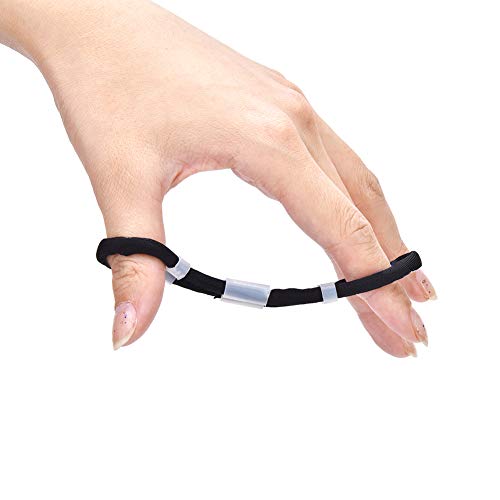
Wrist slings and finger slings: check which type you need
“Bow sling” can refer to different designs. A wrist sling is worn around the wrist, while a finger sling is used around the bow hand’s fingers; they are not interchangeable simply because both are listed as bow slings. Many wrist slings are associated with compound setups and finger slings with recurve shooting, but the product’s stated intended use and attachment method are the important checks.
Before comparing materials or adjustability, identify which style suits your bow and preferred setup. Check the individual product details for how it is intended to fit, and do not assume that a sling will suit your bow just because its title uses a familiar category name.
More Bow Slings
See all 75 Bow Slings →


As an Amazon Associate we earn from qualifying purchases.