

Waterproof duffel bags are useful when you want a hold-all shape with weather-resistant storage for trips, waterside days or damp environments. They suit buyers who need more organised carrying than a simple dry sack, but who still want a bag that can cope better with wet conditions than an ordinary duffel.
The main buying challenge is balancing access, comfort and protection. Some options favour easy packing and fast loading, while others prioritise more secure closure and better water resistance. This guide explains the differences so you can narrow the choice without overbuying features you do not need.
Compare Waterproof Duffel Bags
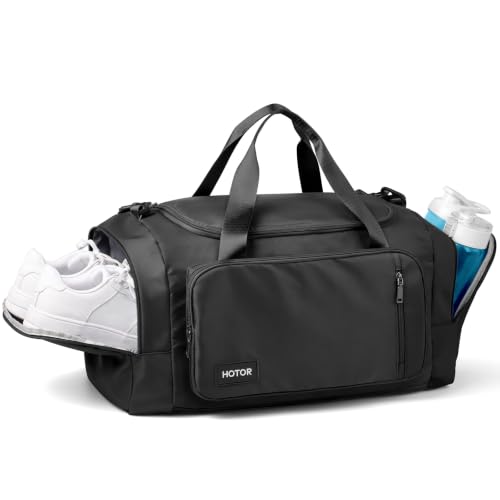
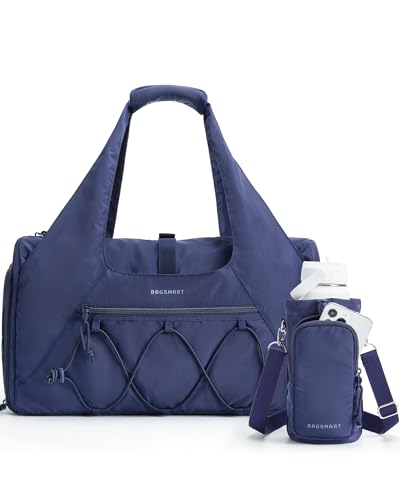


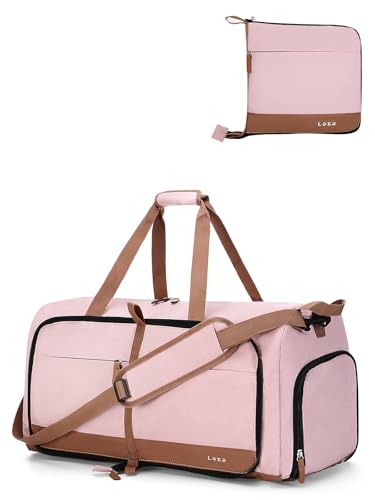
As an Amazon Associate we earn from qualifying purchases.
What should I look for in a waterproof duffel bag?
Start with the kind of use you have in mind: travel, paddling, camping, gym kit or general wet-weather storage. Then compare how the bag closes, how it carries, and how easy it is to pack and find items inside. The best starting point is usually the balance between water protection and everyday practicality, because a more sealed design can be less quick to open and organise. Specifications vary by model, so always check the individual product page before buying.
| Feature | What it means | Why it matters | What to check |
|---|---|---|---|
| Water protection | The level of resistance to rain, spray and splashes | Helps decide whether the bag suits wet commutes, boat use or damp storage | Look for the closure style and any stated protection details on the product page |
| Capacity | How much kit the bag can hold | Affects whether it works for day use, weekends or bulkier loads | Check the stated size and consider whether your kit is soft, bulky or awkwardly shaped |
| Access | How the opening is arranged and how quickly you can reach items | Useful if you pack and repack often | See whether the opening is wide, structured or more sealed |
| Carry comfort | How the bag is moved by hand or on the shoulder | Important for longer carries or heavier loads | Look for handle layout, strap setup and whether the bag suits the way you travel |
| Organisation | Pockets, internal dividers or simpler single-compartment storage | Helps separate wet, dry or small items | Check whether you need fast access or just a simple waterproof hold-all |
Which features matter most?
Closure style
Closure style is one of the biggest clues to how the bag behaves in real use. More sealed styles can offer better water resistance, but they may be slower to open and close. Easier-access openings can be more convenient for travel and frequent packing, but they may not suit the same level of exposure to wet conditions.
Carrying method
Think about how you will move the bag most often. If you are carrying it over short distances, simple handles may be enough. If you expect heavier contents or longer walks, shoulder carry or more supportive straps can make a noticeable difference to comfort.
Shape and packing style
Some waterproof duffel bags are better for soft, compressible kit, while others may be easier to load with mixed items. A more structured shape can help packing, but it may take up more room when stored. A softer bag can be easier to stow, although it may not organise contents as neatly.
Types and variants within the category
Waterproof duffel bags are not all built the same way. The main variation is usually between simpler, highly sealed designs and easier-access duffels that still offer some protection from wet conditions. Some are aimed more at waterside use, while others are closer to general travel bags with water-resistant construction.
If you are comparing options, focus less on the label and more on how the bag is closed, carried and packed. That will tell you more about suitability than the category name alone.
Which type suits different buyers?
| Buyer need | What tends to suit | Why |
|---|---|---|
| Wet-weather travel | A bag with stronger closure and simple, reliable carrying | Helps protect contents when conditions are unpredictable |
| Watersports or riverside use | More sealed construction and easy-to-clean materials | Useful where spray, splashes and damp kit are part of the day |
| Weekend trips | Moderate capacity with easier access | Makes packing and finding items simpler |
| Gym or mixed daily use | Clear compartment layout and comfortable carry options | Convenient when you need the bag to work in different settings |
| Simple storage for damp kit | Plain, roomy design without unnecessary extras | Often the easiest choice when organisation is less important than keeping items contained |
Common mistakes to avoid
- Choosing by capacity alone. A large bag is not always the most practical if you need to carry it a long way or pack it quickly.
- Assuming all waterproof bags behave the same. Closure style and build approach can make a big difference to convenience and protection.
- Overlooking access. A highly sealed bag can be less convenient if you are in and out of it often.
- Ignoring carry comfort. Handles and straps matter more as the load gets heavier.
- Buying for a use the bag was not really designed for. A bag that suits casual wet-weather transport may not be the best choice for frequent immersion or rough handling.
Safety and suitability caveats
Check the product information carefully if you expect the bag to face prolonged wet exposure, heavy loads or repeated rough use. A waterproof duffel bag can be a useful barrier against rain and splashes, but the level of protection varies and should not be assumed from the name alone. If you are carrying valuables or items that must stay dry, it is sensible to read the individual product details closely.
Maintenance, storage and everyday care
These bags are usually easiest to keep in good condition when they are emptied promptly, dried if they get wet, and stored clean rather than packed away damp. If a bag has straps, fasteners or internal sections, check whether those parts make cleaning simpler or more awkward. For buyers comparing options, simpler construction can sometimes mean easier care as well as easier packing.
How to compare options efficiently
- Decide what the bag needs to do most often: travel, waterside use, storage or mixed everyday carrying.
- Choose the capacity range that matches your kit rather than guessing larger is always better.
- Compare closure style, access and carry comfort as the main trade-offs.
- Check whether the layout suits the items you actually carry.
- Read the individual product page for the exact features and limitations before deciding.
Buyer checklist
- Have I matched the bag to my main use?
- Is the closure style suitable for the level of wet exposure I expect?
- Does the capacity fit my usual kit without being unnecessarily bulky?
- Will the carry method be comfortable for the distances I plan to walk?
- Do I need pockets or a simpler single compartment?
- Have I checked the individual product page for the exact details?
Frequently asked questions
Are waterproof duffel bags the same as dry bags?
Not exactly. Dry bags are often simpler, more sealed storage sacks, while waterproof duffel bags usually add a more recognisable duffel shape and carrying setup. That can make them easier to use for travel or general kit, but the trade-off is that the design may be less minimal than a basic dry bag.
What size waterproof duffel bag do I need?
Choose the size based on the sort of kit you normally carry, not just on the number of days you are away. Soft clothing can pack down more easily than bulky shoes, protective gear or awkward accessories. If you often carry mixed items, a little extra room can help, but too much spare space can make the load harder to organise.
Is a more sealed bag always better?
Not necessarily. A more sealed bag may offer better protection from wet conditions, but it can also be less convenient to open, close and organise. If your kit only needs protection from light rain or splashes, easier access may be the better trade-off.
Can I use a waterproof duffel bag for flying or travel?
Many buyers do use this type of bag for travel because the shape is familiar and packing is straightforward. The key question is whether the bag suits your trip length, organisation needs and carry comfort. If you expect to move through airports or stations, lighter handling and easy access may matter as much as water resistance.
Do I need internal pockets?
Only if organisation matters to you. Pockets can make small items easier to find and help separate wet from dry contents, but they can also add complexity. If you prefer a simple bag for larger items, a more open interior may be enough.
How should I judge comfort when buying online?
Look at the carrying options, the likely load you will place inside and whether the bag is intended for short or longer carries. Comfort is influenced by both construction and the weight of what you pack, so it is worth thinking about your normal use rather than only the bag’s shape. Specifications vary by model, so always check the individual product page before buying.
More Waterproof Duffel Bags
See all 76 Waterproof Duffel Bags →


As an Amazon Associate we earn from qualifying purchases.