


Pack liners are a simple way to add a layer of protection between the inside of your bag and the weather, condensation or accidental spills. They are usually chosen by walkers, travellers and outdoor users who want to keep key items grouped together and easier to protect.
Because pack liners sit inside the bag, the main decision is not about style but about fit, closure and how much protection you actually need. A good choice depends on the size of your pack, how you pack your gear and how important moisture resistance is for your trips.
Unlike a rain cover, which protects the outside of a pack, a liner is about the inside load. That means it can be a useful backup even when the pack itself already has some weather resistance.
Compare Pack Liners

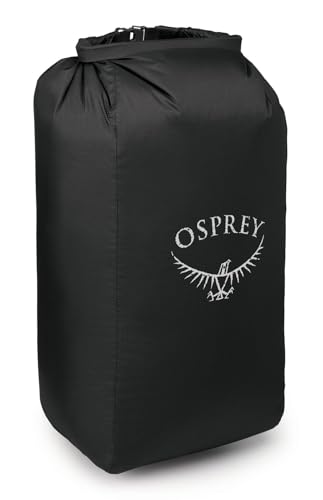


As an Amazon Associate we earn from qualifying purchases.
What should you look for in a pack liner?
The starting point is choosing a liner that suits the size and shape of the bag you intend to use. After that, compare how it closes, how easy it is to pack, and whether you want a simple moisture barrier or a more durable liner for repeated use.
Specifications vary by model, so always check the individual product page before buying.
| Feature | What it means | Why it matters | What to check |
|---|---|---|---|
| Fit | How well the liner suits the size and shape of your pack | A poor fit can waste space or leave parts of the load less protected | Check stated pack size guidance and the intended bag style |
| Closure | The way the liner seals at the top | Better closures can help reduce moisture entry and keep contents contained | Look for the closure style and how securely it is intended to shut |
| Material | The construction used for the liner body | It affects durability, weight and how compactly the liner packs away | Review the material description and the intended level of use |
| Protection level | How much resistance to damp or splashes the liner is designed to provide | Different use cases need different levels of protection | Check the product description for the type of moisture resistance claimed |
| Ease of use | How simple it is to insert, fill and remove | A liner that is awkward to handle is less likely to be used properly | Consider opening size, flexibility and whether it suits your packing routine |
Key decision criteria
Fit to your pack
Pack liners are most useful when they suit the pack you actually carry. If the liner is too large, it may bunch up and waste space; if it is too small, you may struggle to fit the load neatly. Think about whether you use one main rucksack, several pack sizes or a more structured bag shape.
Closure style
The closure is a practical detail rather than a minor extra. Some buyers want a simple top that folds or seals quickly, while others prefer a more secure closure for wet conditions or long days outdoors. The trade-off is often between speed and confidence in protection.
Durability versus packability
Some liners are chosen for being light and easy to stow when not in use, while others are selected for greater durability. If you use a liner often, it may be worth favouring a tougher construction; if you only need occasional protection, a lighter option may be enough.
Protection level in context
A liner can help protect contents from damp, but it is still only one part of your packing system. Consider how exposed your trips are likely to be and whether you mainly want a backup layer for clothing, sleeping gear or other items that should stay dry.
Types and variants
Within this category, the main variation is usually in shape, size and how the liner closes. Some are designed to work as a straightforward inner bag, while others focus more on sealing contents for extra moisture protection.
The most suitable choice depends on whether you want a simple organisational layer or a more dedicated moisture barrier. If you are unsure, start by matching the liner to the pack size and then decide whether you need extra security in the closure.
Which pack liner suits which buyer?
| Buyer need | Likely priority | What to favour | Trade-off to accept |
|---|---|---|---|
| Day walks | Simple protection for small loads | Easy handling and a fit that suits a compact pack | Less need for heavier-duty construction |
| Overnight or multi-day trips | Better organisation and more confidence in keeping key items dry | Secure closure and a size that matches the main load | May take a little more time to pack |
| Travel and commuting | Separation of clothing or equipment | A liner that is easy to insert and remove | May not need the most robust option |
| Frequent outdoor use | Repeated handling and better durability | Stronger construction and practical closure | Could be bulkier or less minimal |
Common mistakes to avoid
- Choosing a liner only by pack volume and ignoring the pack’s shape.
- Assuming every liner offers the same level of moisture resistance.
- Buying a design that is awkward to open and close, then not using it consistently.
- Overlooking how much room the liner itself will take up inside the pack.
- Treating a liner as a substitute for good packing habits in very wet conditions.
Safety and suitability caveats
Pack liners are a buying aid, not a guarantee that contents will stay dry in every situation. Think about the conditions you expect, how sensitive your gear is to moisture and whether you need a liner as part of a wider protection approach. For delicate items, check the product details carefully and keep expectations realistic.
Maintenance and storage
Most pack liners are easier to keep in good condition if they are emptied, dried and stored without sharp folds or abrasion from other kit. If a liner is used often, it is worth checking how easy it is to clean and whether it packs away neatly after drying. Gentle handling usually matters more than complicated maintenance.
How to compare options efficiently
- Decide what you mainly need the liner to do: keep contents drier, organise gear or both.
- Match the liner size and shape to the pack you use most often.
- Compare the closure, material and ease of handling.
- Consider how often you will use it and how much durability you need.
- Read the individual product page carefully before you decide.
Summary buyer decision checklist
- Does it suit the size and shape of your pack?
- Is the closure style appropriate for how dry you need contents to stay?
- Is the material description suitable for occasional or frequent use?
- Will it be easy to pack, remove and store?
- Does it fit your main use: day trips, longer outings or travel?
Frequently asked questions
Do I need a pack liner if my backpack already has some weather resistance?
Often, yes, if you want extra confidence around moisture-sensitive items. A pack’s own fabric may resist light damp, but a liner adds a separate internal layer of protection. That can be especially useful for clothing, insulation or anything that needs to stay dry.
Is a pack liner the same as a rain cover?
No. A rain cover goes over the outside of the pack, while a liner sits inside it. Many buyers use them for different reasons: a cover helps with exterior exposure, while a liner focuses on protecting the contents.
Should I choose one liner for everything or separate liners for different items?
That depends on how you pack. One larger liner is simpler for a single main load, while smaller liners can help separate clothing, sleeping kit or electronics. The right answer is the one that fits your packing habits without becoming awkward to use.
How do I know what size liner I need?
Start with the pack you use most often and look for stated guidance on pack size or intended use. The aim is a liner that sits neatly in the bag without excessive bunching or wasted space. If specifications are unclear, rely on the individual product page and the pack dimensions provided there.
Are all pack liners equally waterproof?
No, and that is an easy assumption to get wrong. Different models may be designed for different levels of moisture protection, so it is worth checking the product description rather than assuming the same performance across the category. Specifications vary by model, so always check the individual product page before buying.
What matters more: material or closure?
Both matter, but for many buyers the closure is the detail that most affects day-to-day confidence. Material helps with durability and handling, while the closure influences how secure the load feels once packed. The better choice is the one that matches how and where you use it.
Pack volume and liner dimensions
A pack’s stated capacity is a useful starting point, but it does not tell you the liner’s dimensions or how its shape will sit inside the bag. If dimensions are provided, compare them with the pack’s main compartment and consider whether the opening will be practical for your usual load. A close fit can help avoid excess material bunching up, while a liner that is too small may be difficult to use with a full pack.
More Pack Liners
See all 31 Pack Liners →
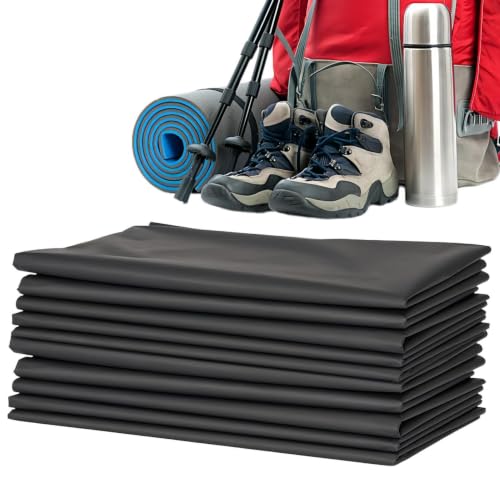
As an Amazon Associate we earn from qualifying purchases.