


Boat biminis are a practical way to add shade and some shelter on the water, but the right choice depends on how your boat is used and how much cover you actually need. A bimini that suits a family cruiser may not be the best fit for a smaller runabout or a boat where deck access matters more than maximum shade.
This guide helps you compare the main choices without getting lost in technical details that do not affect your buying decision. It focuses on the points that most often make the difference: fit, coverage, mounting style and how easy the bimini is to live with once fitted.
Because specifications vary by model, always check the individual product page before buying.
Compare Boat Biminis




As an Amazon Associate we earn from qualifying purchases.
What should you look for when buying a boat bimini?
The best starting point is to match the bimini to your boat’s shape, the area you want to shade and how often you will want to put it up or fold it away. After that, compare the support frame, fabric and mounting details, because these affect everyday use more than appearance alone. A good choice usually balances coverage with practicality rather than chasing the largest canopy available.
| Feature | What it means | Why it matters | What to check |
|---|---|---|---|
| Fit | How well the bimini suits your boat’s layout and mounting points | A poor fit can make installation awkward and reduce useful coverage | Measure the space carefully and compare the stated fitting guidance on the product page |
| Coverage | The area of shade the canopy is designed to provide | More coverage can improve comfort, but may affect open-deck access | Think about where passengers sit and whether you need shade at the helm, seating area or both |
| Frame style | The support structure that holds the canopy in place | It influences stability, folding behaviour and how much space the setup uses | Check how the frame folds, where it mounts and whether the design suits your boat |
| Fabric | The canopy material and its intended use | Fabric choice affects everyday durability, weather resistance and how well the bimini suits your usage | Look for the material description and any care guidance on the individual listing |
| Ease of use | How simple the bimini is to raise, lower and store | A canopy that is difficult to handle may be left unused more often | Consider whether you want a setup that stays up for long periods or one that is folded away regularly |
Key decision criteria explained
Fit and mounting points
Fit is one of the most important checks because a bimini is only useful if it works with the boat you have. Consider the available mounting space, the likely clearance needed for movement and whether the canopy will interfere with other equipment or seating. If a product page gives measurements or fitting notes, use those as the main guide rather than assuming a general size will suit.
Coverage versus open space
More shade is not always better. A larger canopy can improve comfort in strong sun, but it may also make the boat feel more enclosed or reduce the flexibility of moving around on deck. Think about whether you value shade for passengers, protection at the helm or a more open layout when the boat is underway or at rest.
Frame and folding design
The frame affects how the bimini behaves in use. Some buyers want a setup that is simple to raise and stow, while others prefer a more fixed feel once fitted. If you expect to fold it away often, pay close attention to how the structure stores and whether that suits the way you use the boat.
Fabric and upkeep
Fabric choice matters because a bimini is exposed to sun, spray and general wear. Rather than focusing on labels alone, look at how the product is described for its intended environment and what care it may need after use. A canopy that is easy to clean and store may be more practical than one that looks ideal but is awkward to maintain.
Types and variants you may see
Boat biminis are usually compared by how much coverage they provide, how they fold and how they are intended to mount. Some are aimed at smaller boats where space is tight, while others suit larger seating areas or more regular use. The main limitation is that the type which looks most protective may also be the least convenient if you need clear deck space.
- Compact styles: Useful where space is limited and you want modest shade without adding bulk.
- Larger coverage styles: Better when passenger comfort matters more, but they can reduce openness on board.
- More easily stowed styles: Suited to buyers who want to fold the canopy away regularly.
Which bimini suits which buyer?
| Buyer need | What to prioritise | Main trade-off |
|---|---|---|
| Occasional leisure use | Simple fit, easy handling and practical shade | May not provide the largest covered area |
| Longer days on the water | Better coverage and a setup that is comfortable to live with | Can take up more space on deck |
| Smaller boat or limited mounting space | Compact proportions and careful fit guidance | Less overall shade |
| Frequent folding and storage | Ease of stowing and manageable frame design | May be less substantial than a more fixed setup |
Common mistakes and misunderstandings
- Choosing by canopy size alone: A bigger cover is not helpful if it does not suit the boat layout.
- Overlooking mounting points: The frame and fixings matter just as much as the canopy itself.
- Ignoring how often it will be folded: A bimini that is awkward to stow may become a nuisance.
- Assuming all fabrics behave the same: Material and care needs can differ, so check the listing carefully.
Safety and suitability caveats
A bimini can improve comfort, but it is not a substitute for sensible seamanship or proper awareness of weather and conditions. Make sure the product is suitable for your boat’s layout and does not interfere with movement, visibility or other equipment. If you are unsure, compare the product’s stated dimensions and fitting notes with your own boat before making a decision.
Maintenance, storage and lifespan considerations
General care can affect how long a bimini remains usable. Regular cleaning, correct drying and sensible storage all help reduce unnecessary wear, while a canopy left exposed when not needed may need more frequent attention. Check whether the product page mentions any care guidance, and think about how easily you can store the frame and fabric when the bimini is not in use.
How to compare options efficiently
- Start with the boat layout and decide where you want shade.
- Check the fit guidance and any mounting information on the product page.
- Compare coverage, frame style and how easy the bimini is to fold away.
- Look at the fabric description and any care notes.
- Choose the option that balances comfort with the amount of open space you want to keep.
Summary buyer decision checklist
- Does the bimini suit your boat’s size and mounting space?
- Does the amount of shade match how you use the boat?
- Will the frame and folding design be practical for regular use?
- Does the fabric and care information suit your expected conditions?
- Have you checked the individual product page for measurements and fitting notes?
Frequently asked questions
How do I know which size bimini I need?
Start by checking the space available on your boat and the area you want to shade. A product that looks suitable in general terms still needs to match the actual mounting space and layout. The individual product page is the place to confirm measurements and fitting guidance.
Is a larger bimini always better?
Not necessarily. Larger coverage can improve comfort, but it may also reduce open deck space or make the boat feel more enclosed. The best size is usually the one that suits how you use the boat most often.
What matters more: fabric or frame?
Both matter, but for different reasons. The frame affects how stable and practical the bimini feels in use, while the fabric affects comfort, care and suitability for your environment. It helps to look at them together rather than treating either one as the only important part.
Can I use a bimini on any boat?
No single bimini suits every boat. Fit depends on the layout, available space and mounting points, so compatibility should always be checked individually. If the product page does not clearly match your boat’s setup, it is worth looking more closely before buying.
How often will I need to maintain it?
That depends on how often it is used and what conditions it faces. A canopy that sees regular sun, spray or storage may need more frequent cleaning and careful drying. Check any care guidance provided with the product.
What if I want shade but still need open space?
Look for a design that gives enough coverage without overwhelming the deck. Some buyers prefer a more compact bimini because it is easier to live with on smaller boats or when space is at a premium. Think about your everyday layout, not just the maximum area covered.
Complete bimini tops or replacement parts?
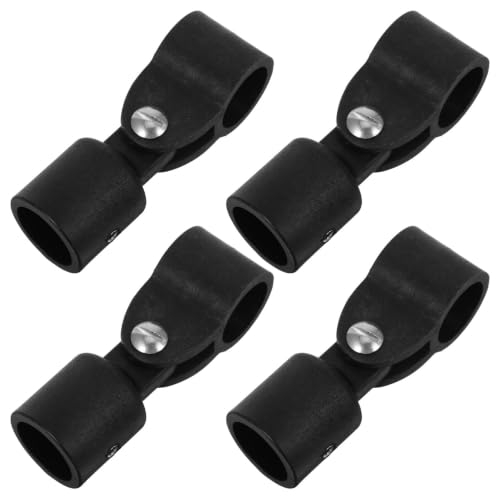
First identify whether you need a complete canopy setup or a component for one you already have. Bimini listings can cover both complete tops and items such as straps, fasteners or pole fittings; a replacement component will not necessarily suit every existing canopy.
For a part, compare its stated purpose and fitting details with the component you need to replace, including relevant dimensions and connection style where provided. For a complete top, focus on the boat’s available mounting space and the coverage you want. If the listing does not make the product type or fit clear, do not assume it will work with your existing setup.
More Boat Biminis
See all 106 Boat Biminis →


As an Amazon Associate we earn from qualifying purchases.