


Hammock tents suit campers who want to sleep off the ground and are comparing comfort, shelter and setup practicality. They can be a good fit where uneven terrain, wet ground or a smaller camp footprint make a conventional tent less convenient.
This guide helps you narrow down the main choices without assuming every hammock tent works the same way. The details that matter most are how it is suspended, how much weather protection it offers and whether the overall setup suits your planned use.
If you are deciding between a hammock-style shelter and a standard tent, the main question is not only comfort but where and how you camp. A hammock tent can reduce dependence on flat ground, but it also needs suitable anchor points or a compatible support system.
Compare Hammock Tents

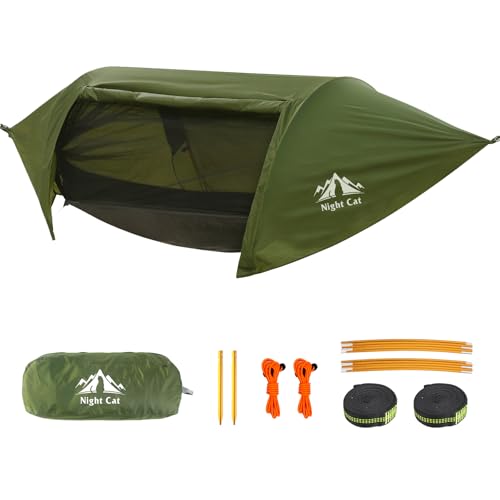
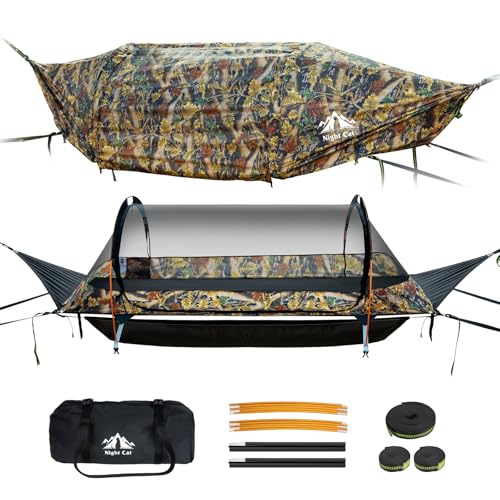
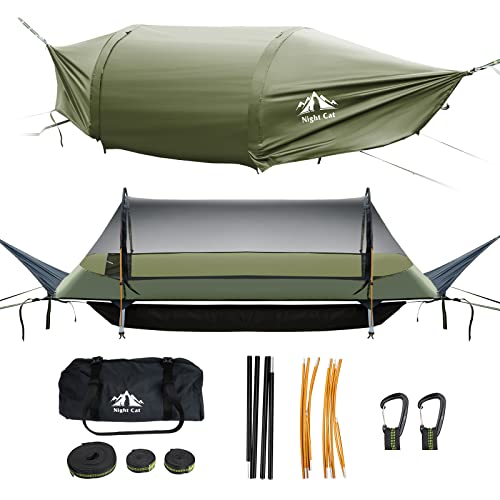


As an Amazon Associate we earn from qualifying purchases.
What should you look for in a hammock tent?
Start with the basics: support, shelter and ease of use. The most suitable option is usually the one that matches your camping location, your comfort preferences and how much kit you are happy to carry or assemble. A lighter, simpler design may appeal to short trips, while a more enclosed shelter may suit changeable weather better.
Specifications vary by model, so always check the individual product page before buying.
| Feature | What It Means | Why It Matters | What To Check |
|---|---|---|---|
| Support method | How the hammock tent is held up and attached | Determines where you can use it and how secure it feels | Whether it needs trees, poles or another support system |
| Weather protection | The level of cover from wind, rain and insects | Affects comfort and suitability in changeable conditions | Coverage, enclosure and whether the design suits your expected weather |
| Entry and exit | How easy it is to get in and out | Useful if you want a simpler camp routine | Door placement, openings and how accessible the sleeping area is |
| Packed size | How much space the item takes when stored | Important for carrying it to camp and keeping kit organised | Whether the packed format suits your bag, vehicle or storage space |
| Setup complexity | How much effort is needed to pitch it | Matters if you arrive late, move camp often or prefer a quick routine | Number of components, adjustment steps and whether extra accessories are needed |
Key decision criteria
Support and anchor points
The first thing to understand is where the hammock tent will be used. Some designs depend on trees or other anchor points, while others may rely on poles or a dedicated frame. That difference affects both campsite choice and convenience, so it is one of the most important checks before buying.
Weather coverage and enclosure
Hammock tents can range from fairly open sleeping setups to more enclosed shelters with better protection from wind and insects. More coverage usually means more weight and bulk, but it can make the shelter more comfortable in uncertain conditions. Think about whether you are prioritising airy summer use or broader versatility.
Comfort and sleeping position
Comfort is personal, and hammock-style camping suits some people better than others. The shape and suspension affect how level you feel, how easy it is to settle in and how much movement you notice. If you have never camped this way before, comfort is worth treating as a key buying factor rather than an afterthought.
Weight and packed size
These matter most if you are carrying the shelter any distance or have limited storage space. A compact setup is easier to transport, but smaller designs may make other aspects more constrained. It is usually better to compare real packed dimensions and overall carry burden rather than assume all hammock tents are equally portable.
Accessories and completeness
Some hammock tents are more self-contained than others. Check whether the shelter includes the parts you expect or whether extra items are needed to make it usable in your intended setup. That can affect overall convenience even when the product type looks similar at first glance.
Types and variants
Within this category, the most relevant differences are usually about how enclosed the shelter is and how it is supported. A simpler suspended sleeping setup may suit minimal campers, while a more tent-like version may suit people who want a clearer barrier from insects or weather. The trade-off is usually between comfort, protection and setup simplicity.
If you are comparing different hammock tent styles, think in terms of use case rather than labels. A design that works well for occasional fair-weather trips may feel limiting on longer outings, while a more protective setup may be more effort than you need for short, settled camps.
Which type suits which buyer?
| Buyer need | Useful feature | Why it helps |
|---|---|---|
| First-time hammock camper | Simpler setup and clear support instructions | Makes the learning curve less frustrating |
| Frequent short trips | Compact packed size | Easier to carry, store and repack |
| Changeable weather | Better enclosure and shelter coverage | Helps with comfort when conditions are less predictable |
| Minimal camp footprint | Suspended design with suitable anchor points | Can be useful where ground space is tight or uneven |
| Simple campsite routine | Fewer components and straightforward pitch | Reduces setup effort at the end of the day |
Common mistakes to avoid
- Assuming every hammock tent fits every campsite. Check whether the design needs trees, poles or another support method before you buy.
- Focusing only on comfort. Comfort matters, but weather protection and practical setup can matter just as much.
- Ignoring packed size. A shelter can look manageable online and still be awkward to carry or store.
- Overlooking the extra parts. Make sure you understand what is included and what may need to be added separately.
- Choosing more complexity than you need. A more elaborate shelter may offer advantages, but only if you will actually use them.
Safety and suitability caveats
Hammock tents should be chosen with the intended camping environment in mind. Check the product information carefully if you expect uneven ground, exposed sites or variable weather, and make sure the support method suits the places you plan to use it. If you are unsure, choose the most conservative option that still fits your needs.
Do not assume a hammock tent is suitable simply because it looks easy to hang. Suitability depends on the setup, the location and the rest of your camping kit.
Maintenance, storage and lifespan considerations
General care can affect how long a hammock tent stays in good condition. Dry it thoroughly before storing, keep it clean after muddy or dusty trips and store it where it will not be crushed or left damp. If the design includes multiple parts or suspended components, keeping everything together also makes future setup easier.
When comparing options, it can help to think about how much care you are realistically willing to give the shelter. A simpler system may be easier to look after, while a more elaborate one may reward careful packing and storage.
How to compare options efficiently
- Decide where you will most often use the hammock tent.
- Check the support method and make sure it suits your usual camps.
- Compare weather protection, comfort and enclosed feel.
- Look at packed size, setup effort and any extra components.
- Read the individual product page carefully before deciding.
Summary buyer decision checklist
- Does the support method suit your camping locations?
- Is the level of weather protection appropriate for your expected conditions?
- Does the comfort style suit how you like to sleep?
- Is the packed size practical for carrying and storage?
- Do you know what is included and what may need to be added?
- Have you checked the individual product page for the specific details you need?
Frequently asked questions
Are hammock tents suitable for beginners?
They can be, provided you choose a straightforward setup and understand what kind of support is required. Beginners often benefit from looking for clear product information and a simpler pitch rather than the most elaborate design.
Do hammock tents need trees?
Some do, while others use poles or other support methods. That is one of the most important differences to check because it affects where you can camp and how flexible the shelter will be.
Are hammock tents more comfortable than ground tents?
Comfort depends on the person and on the design. Some buyers enjoy the suspended feel, while others prefer the familiarity of a conventional sleeping surface.
Can a hammock tent work in wet weather?
Some designs offer better protection than others, but weather suitability varies by model. It is worth checking how much enclosure and cover the product provides before assuming it will suit damp or windy conditions.
What matters more, weight or comfort?
That depends on how you camp. If you carry kit a long way, weight and packed size may matter more; if you spend longer at one campsite, comfort and shelter coverage may become the bigger priority.
How do I compare two similar hammock tents?
Compare support method, weather protection, packed size, setup effort and what is included. Those are usually the differences that have the most practical effect on day-to-day use.
Consider insulation beneath you
When comparing hammock tents, think about warmth underneath as well as the sleeping bag or cover above. Air moving beneath a suspended hammock can make the underside feel cold, so your existing sleep system may not be enough for the conditions you expect.
Check whether the product information mentions an underquilt, sleeping mat or other insulation, and whether that item is included or separate. If you plan to use your own, confirm that it is suitable for the hammock’s design; do not assume that accessories from another setup will fit.
More Hammock Tents
See all 31 Hammock Tents →


As an Amazon Associate we earn from qualifying purchases.