


Hot tents are for campers who want a shelter that can work with a tent stove in colder conditions. They are chosen for comfort, winter trips and longer stays where warmth, condensation control and usable space matter more than keeping the pack as light as possible.
Choosing well is less about chasing a single feature and more about matching the tent to the way you camp. The right option depends on how many people need shelter, how much gear you carry, how often you move camp and how experienced you are with stove use and pitching.
If you are comparing hot tents for the first time, start with the basics: size, stove compatibility, ventilation and the level of weather protection you need. Specifications vary by model, so always check the individual product page before buying.
Compare Hot Tents


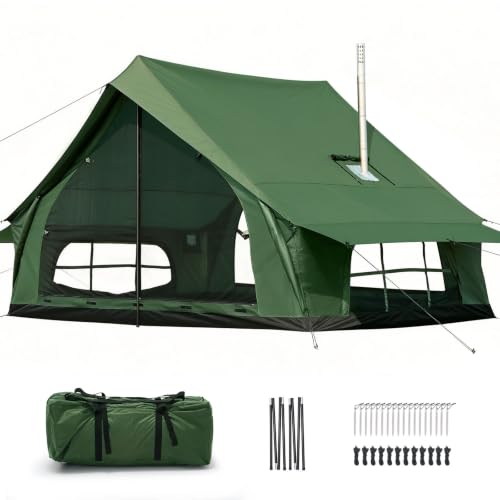
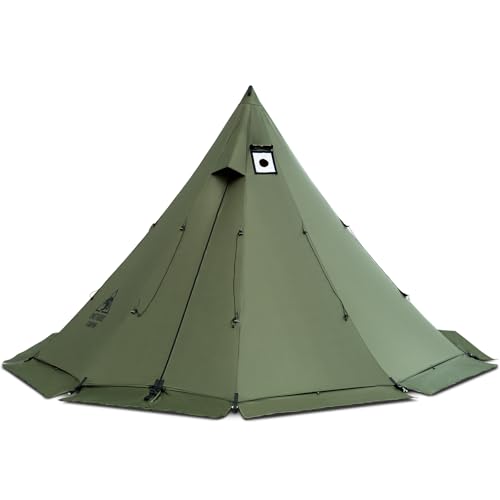

As an Amazon Associate we earn from qualifying purchases.
What should you look for in a hot tent?
A good starting point is to match the tent to your typical trip rather than to an idealised winter camp. A larger tent may feel more comfortable for sleeping and kit storage, but it can take longer to pitch and may be heavier or bulkier to carry. A more compact design is easier to transport, but it leaves less room around a stove and less flexibility in bad weather.
The main trade-off is usually between space, warmth management and portability. Think about how you will use the tent most often, then compare the features that affect comfort and practicality rather than focusing on one headline detail.
| Feature | What it means | Why it matters | What to check |
|---|---|---|---|
| Stove compatibility | Whether the tent is designed to work with a tent stove | Affects whether the shelter suits heated camping use | Check the product page for the intended stove setup and any included stove-opening details |
| Size and layout | How much usable room the tent provides | Influences sleeping comfort, kit storage and movement around the stove | Look at sleeping capacity, interior shape and whether the layout suits your group size |
| Fabric and construction | The materials and build style used in the tent | Helps indicate durability, weather resistance and weight | Check the listed materials, pole system and overall construction notes |
| Ventilation | How the tent manages airflow | Important for condensation control and comfort in mixed conditions | Look for vents, door options and any airflow features described by the product page |
| Setup and pack size | How easy it is to pitch, take down and carry | Matters if you travel frequently or move camp often | Check packed size, weight where listed and whether the design suits your transport method |
Key factors that shape the right choice
Intended use
Hot tents are most relevant when you want a warmer base for cold-weather or extended camping. Some buyers want a more comfortable wild-camping shelter, while others are looking for a basecamp-style tent for a campsite or longer stay. The intended use affects how much space, weather resistance and stove integration you should prioritise.
Space and interior layout
Interior space is not only about sleeping capacity. It also affects where you store wet clothing, boots and cooking or heating gear, and how safely and conveniently you can move inside. A tent that feels generous on paper may still be awkward if the usable floor area is limited by steep walls or a narrow entrance.
Ventilation and condensation management
Heated camping can reduce the chill, but it does not remove the need for airflow. Good ventilation helps manage moisture from occupants and damp gear, which is particularly important in cool conditions. Look for designs that make it easier to balance warmth with fresh air rather than relying on a fully closed shelter.
Fabric, poles and overall build
Build quality affects confidence in the shelter over repeated use, especially if you camp in exposed places or pitch often. Heavier-duty materials may suit rougher use, while lighter designs can be easier to carry. The right balance depends on whether you value portability or a more robust feel.
Pitching and transport
If you drive to camp or stay in one place, a slightly bulkier shelter may be acceptable. If you need to move kit by hand, the packed size and pitching process matter much more. A simple layout can save time and reduce frustration when the weather turns.
Types and styles you may see
Within this category, the main variation is usually in shape, capacity and intended use rather than in wildly different product families. Some hot tents are aimed at smaller setups, while others are better suited to group camping or a more spacious basecamp feel.
- Compact hot tents: better for smaller groups, simpler trips and easier transport, but usually with less living space.
- Larger hot tents: suit families or basecamp use, but often need more effort to pitch and carry.
- More weather-focused designs: may prioritise protection and sheltering space, though this can add weight or complexity.
Because designs vary, the most useful comparison is often not the name of the style but how that style affects space, ventilation and ease of use. Specifications vary by model, so always check the individual product page before buying.
Which hot tent suits which buyer?
| Buyer need | What matters most | Why |
|---|---|---|
| Cold-weather camper | Stove compatibility, ventilation and usable space | Comfort and moisture control matter more than minimal pack size |
| Frequent mover | Packed size, setup ease and transport comfort | Repeated pitching makes convenience a bigger factor |
| Long-stay camper | Interior room, storage space and layout | Living space becomes more important than the smallest packed form |
| First-time buyer | Clear specifications and simple setup | A straightforward design reduces the chance of choosing something awkward to live with |
Common mistakes to avoid
- Choosing by capacity alone: a tent can be listed for a certain number of people but still feel cramped once kit and a stove are considered.
- Ignoring ventilation: warmth is only one side of the equation; airflow matters for comfort and condensation control.
- Overlooking transport limits: a shelter that is comfortable on site may be inconvenient to carry or store.
- Assuming every hot tent suits every stove setup: check the product details carefully rather than assuming compatibility.
Safety and suitability checks
Hot tents are specialised shelters, so it is important to confirm that the product is intended for the way you plan to use it. Check any guidance on stove use, ventilation and safe clearances on the product page and follow the manufacturer’s instructions. If you are unsure whether a design suits your experience level or camping style, choose a simpler setup.
Care, storage and ownership
As with most tents, long-term condition depends on how well the shelter is dried, cleaned and stored between trips. Heated camping can also mean more attention to soot, moisture and general wear around the stove area. Folding and packing carefully helps avoid unnecessary strain on fabric, poles and seams.
Before buying, think about whether you want a shelter that can be stored easily at home, transported in a vehicle or carried to a pitch over a longer distance. Those practical details often matter as much as the tent itself.
How to compare hot tents efficiently
- Start with the kind of trip you actually plan to take.
- Decide how much interior room you need for people and kit.
- Check stove compatibility and ventilation details carefully.
- Compare pack size, weight where listed and pitching convenience.
- Review the individual product page for the exact specifications and intended use.
Summary buyer decision checklist
- Does the tent suit the number of people and the amount of gear you carry?
- Is it intended for the stove setup you want to use?
- Does it offer enough ventilation for comfort and condensation control?
- Is the packed size realistic for how you travel?
- Does the layout suit the way you want to sleep, store gear and move inside?
- Have you checked the individual product page for exact specifications?
Frequently asked questions
What makes a hot tent different from a standard camping tent?
A hot tent is designed for heated camping use, usually with compatibility for a tent stove. That means the layout, ventilation and construction need to support a different kind of use from a standard summer or three-season tent. The best choice depends on whether you want warmth and shelter in colder conditions rather than a light all-round tent.
Do I need a large hot tent to be comfortable?
Not always, but comfort usually improves with usable space rather than with capacity labels alone. Think about whether you need room for kit, changing clothes and safe movement around a stove. A smaller tent may still work well if your trips are simple and your load is light.
Is ventilation important in a hot tent?
Yes. Warmth is useful, but airflow still matters for comfort and condensation control. A tent with better ventilation can feel more balanced in mixed weather and when damp kit is brought inside.
Are hot tents suitable for beginners?
They can be, but they are more specialised than a basic camping tent. A beginner should look for clear product information, straightforward pitching and a layout that is easy to understand. If the setup seems complicated, a simpler shelter may be a better first purchase.
Should I choose the lightest hot tent available?
Only if portability is your main concern. Very light designs can reduce carry weight, but they may offer less interior room or a different balance of durability and comfort. For many buyers, the right answer is a balance between weight, space and ease of use.
What information should I check before buying?
Check the intended stove compatibility, usable space, ventilation features, materials and packed size where listed. It is also worth reading any notes about setup and recommended use so you can judge whether the tent matches your camping plans. Specifications vary by model, so always check the individual product page before buying.
More Hot Tents
See all 94 Hot Tents →


As an Amazon Associate we earn from qualifying purchases.