


Bikepacking dry bags are a simple way to keep soft gear protected from rain, spray and trail grime while you ride. They are often used for sleeping kit, spare layers and other items that need to stay compact and easy to pack.
If you are comparing options, the main job is not just keeping water out. You also need to think about how the bag will fit your bike, how easy it is to pack and unpack, and how securely it will stay in place on rough ground.
This guide focuses on the practical buying choices that matter before you choose a dry bag for bikepacking, without assuming that one style suits every trip.
Compare Bikepacking Dry Bags


As an Amazon Associate we earn from qualifying purchases.
What should you look for in a bikepacking dry bag?
The best starting point is to match the bag to what you want to carry and where it will sit on the bike. Look at size, closure style, mounting method and how easy the bag is to handle with cold hands or in poor weather. A lighter, simpler bag can be ideal for some trips, while a more secure or structured option may suit rougher terrain better.
Specifications vary by model, so always check the individual product page before buying.
| Feature | What It Means | Why It Matters | What To Check |
|---|---|---|---|
| Capacity | How much the bag can hold | Needs to suit the volume of kit you plan to carry | Whether the size fits sleeping gear, clothing or smaller essentials |
| Closure style | The way the bag seals shut | Affects weather resistance and how quickly you can pack | How the closure works and whether it is easy to use in real riding conditions |
| Mounting or attachment | How the bag stays on the bike | Affects stability, convenience and bike fit | Straps, attachment points or any required support from another bag or rack |
| Shape and flexibility | Whether the bag is slim, broad, rollable or more structured | Changes how well it packs around other luggage | Whether the shape suits the space available on your bike |
| Material and finish | The outer fabric and construction | Influences toughness, weight and ease of cleaning | Whether the finish looks suited to repeated outdoor use and wet conditions |
Key decision criteria explained
Size and packing style
Dry bags for bikepacking are usually chosen by volume rather than by a single universal use. A larger bag may be useful for compressible items such as clothing or a sleep system, but it can be awkward if the space on your bike is limited. A smaller bag can be easier to place and better for split loads, especially if you prefer several bags rather than one large one.
Closure and access
The closure affects both weather protection and convenience. Roll-top designs are common because they help close the opening securely and can make it easier to compress soft kit, but they also need a bit of space to close properly. Other closure styles may be quicker to open, so think about whether speed, simplicity or a tighter seal matters more for your trips.
Mounting and stability
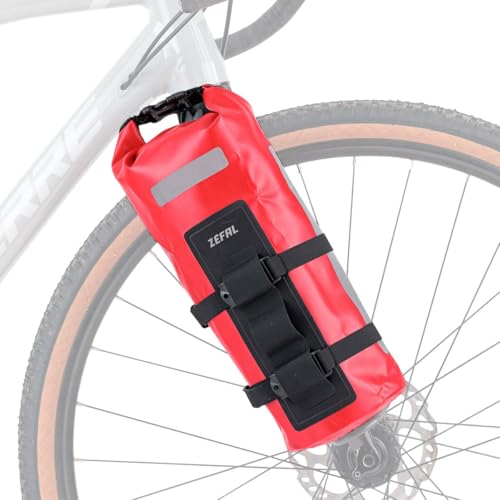
Some dry bags are designed to sit inside another bag or strap to the bike, while others are intended to work with a specific carrying position. Stability matters on rough ground, because a bag that moves around can be distracting and awkward to live with. Check how the bag is meant to be secured and whether that matches your bikepacking setup.
Shape and compatibility with your loadout
Bikepacking luggage often has to fit around other items already on the bike, so shape can matter as much as volume. A bag that is too wide, too long or too soft for the space available may be inconvenient even if the capacity looks right on paper. Think about where it will sit relative to your frame, saddle area or bars, and whether the shape makes loading easier or harder.
Durability versus weight
More robust construction can be useful if you ride rough trails or regularly pack and unpack the bag, but extra toughness may come with added weight or bulk. If you prioritise light packing, you may prefer a simpler design. If you expect frequent use in mixed weather, a more durable finish may be the more practical trade-off.
Common product types and variants
Within bikepacking dry bags, variation usually comes from size, closure style and how the bag is intended to be carried. Some are more clearly aimed at general soft-kit storage, while others are shaped or detailed to work better in a bikepacking setup.
- Simple roll-top dry bags: Good for compressible kit and straightforward waterproof storage, with a focus on versatility.
- Bike-specific dry bags: Designed with bikepacking attachment or packing in mind, which can make them easier to integrate into a luggage system.
- More compact dry sacks: Useful when you want to split kit into smaller loads and keep items organised.
Which type suits which kind of rider?
| Buyer need | What usually matters most | Useful trade-off to consider |
|---|---|---|
| Weekend bikepacking | Simplicity, sensible capacity and easy packing | A basic design may be enough if you do not need extra features |
| Longer trips | Organisation, reliable closure and enough room for soft kit | More capacity can be helpful, but oversized bags may be harder to place |
| Rougher routes | Stable attachment and durable construction | Extra security may add weight or make packing less quick |
| Minimal setups | Compact size and efficient use of space | Smaller bags can be tidy, but they may need better organisation across several items |
| Wet-weather use | Practical sealing and easy-to-manage materials | Better weather protection may come with a more involved closure |
Common mistakes and misunderstandings
Choosing by capacity alone: A bag can look suitable on size alone and still be awkward if the shape does not suit your bike or the kit you carry. Check the geometry as well as the stated volume.
Assuming all dry bags attach the same way: Some are meant to be strapped in place, while others are more like general dry sacks. Make sure the intended mounting style matches your setup.
Ignoring how often you will open it: If you need frequent access, the easiest-sealing bag is not always the quickest to live with. Think about whether you want security, speed or a balance of both.
Overfilling a soft bag: A dry bag only works well when it can be closed properly and carried securely. If you regularly overpack, it may be worth choosing a slightly larger size.
Safety and suitability caveats
Bikepacking dry bags are for carrying and protecting gear, not for guaranteeing complete waterproofing in every situation. Water resistance can vary with design, closure method and how the bag is packed, so check the product details carefully. If you need a bag for very exposed conditions, it is sensible to think about how the bag will be used in combination with the rest of your luggage system.
Maintenance, storage and lifespan considerations
Dry bags are usually straightforward to look after, but dirt, grit and repeated compression can still affect how they feel and perform over time. It is sensible to keep closures clean, store the bag fully dry when possible and avoid unnecessary abrasion from sharp or rough items inside the bag. If a bag will be packed away for long periods, make sure it is not trapped damp.
How to compare options efficiently
- Decide what you need to carry and where the bag will sit on the bike.
- Shortlist the size and shape that fit your loadout.
- Compare the closure style and how easy it is to use in real riding conditions.
- Check the attachment method and whether it suits your existing setup.
- Read the individual product page for any model-specific details before deciding.
Summary buyer decision checklist
- Does the bag suit the amount and type of gear you want to carry?
- Will the shape fit the space on your bike comfortably?
- Is the closure style practical for the weather and access you expect?
- Does the attachment method match your bikepacking setup?
- Is the material and construction appropriate for how often you will use it?
- Have you checked the individual product page for model-specific details?
Frequently asked questions
Are bikepacking dry bags the same as regular dry bags?
They serve a similar purpose, but bikepacking versions are often chosen with cycling luggage in mind. That may mean a shape, attachment method or packing style that is easier to use on a bike. It is still worth checking the product details rather than assuming all dry bags work the same way.
What size dry bag do I need?
That depends on what you plan to store and how much room your bikepacking setup has. Larger bags can be useful for soft, compressible items, while smaller bags may be easier to place and balance. If you are unsure, think first about the kit you carry most often.
Is a roll-top bag better than other closure types?
Not always. Roll-top designs are popular because they are simple and can close securely, but they are not the only good option. The right choice depends on how often you need access and whether you value quick packing or a more sealed closure.
Do I need a bike-specific attachment system?
Not necessarily, but it can make the bag easier to integrate into a bikepacking setup. Some riders are happy with a simple bag that fits inside another piece of luggage or is secured with straps, while others want a more purpose-shaped option. Check how the bag is intended to be carried before buying.
Can one dry bag replace several smaller bags?
Sometimes, but not always. A single larger bag can reduce clutter, yet several smaller bags can make organisation easier and help with packing balance. The better choice depends on whether you prefer simplicity or separation of items.
How important is weight for a dry bag?
Weight matters more if you are aiming for a light setup or carrying several bags at once. For shorter or less weight-sensitive trips, ease of use and suitability may matter more than shaving every gram. It is usually best to balance weight against durability and packing convenience.
What should I check if I ride in wet weather?
Focus on the closure, the bag’s intended use and how easy it is to pack correctly. No bag is a substitute for sensible packing, so the way you load it matters as much as the material itself. Check the product page for any model-specific guidance.
Check bike fit and clearance
Capacity alone does not show whether a bag will fit your bike. Before choosing, compare any listed dimensions with the space where you plan to carry it, and consider whether the packed shape could interfere with the wheel, pedals, your legs or other luggage. Attachment points and frame layouts differ, so check the individual product information and assess the fit for your own setup rather than assuming a bag is compatible.
More Bikepacking Dry Bags
See all 31 Bikepacking Dry Bags →




As an Amazon Associate we earn from qualifying purchases.