Bikepacking Dry Bags
Bikepacking dry bags are designed to keep packed gear organised and protected from wet weather on multi-day rides and rougher routes. They are commonly used for clothing, sleeping kit and other soft items that need compact storage inside a bikepacking setup.
When comparing options, look at the size, closure style and how the bag is intended to fit with your luggage system. It is also worth checking whether the shape suits the space you want to use, as different dry bags can work better for specific packing layouts.
 Buyers guideBikepacking Dry Bags Buyer GuideWhat to compare before you choose
Showing 1–12 of 31 results
-
Bikepacking Dry Bags
6-Piece Waterproof Dry Bag Set in Multicolour, 1.5L to 8L
£13.39 View on Amazon -
Bikepacking Dry Bags
Aqua Evo Adventure Bicycle Frame Pack, Orange
Original price was: £39.99.£36.50Current price is: £36.50. View on Amazon -
Bikepacking Dry Bags
BBB Cycling StackPack 4 L Bikepacking Dry Bag with StackRack BSB-145
£23.72 View on Amazon -
Bikepacking Dry Bags
Black 10 L Waterproof Dry Bag with Phone Dry Bag and Shoulder Strap
£16.99 View on Amazon -
Bikepacking Dry Bags
Blackburn Outpost Seat Pack with Dry Bag, 11 Litre, One Size
£44.99 View on Amazon -
Bikepacking Dry Bags
Desoto 20L Waterproof Dry Bag Rucksack, Black
Original price was: £10.45.£8.88Current price is: £8.88. View on Amazon -
Bikepacking Dry Bags
Invool Waterproof Dry Bag with Adjustable Shoulder Strap
Original price was: £12.39.£11.29Current price is: £11.29. View on Amazon -
Bikepacking Dry Bags
ioutdoor Blue 2L Waterproof Dry Sack
Original price was: £6.99.£5.94Current price is: £5.94. View on Amazon -
Bikepacking Dry Bags
Lifeventure Ultralight Dry Bag Multi-Pack with Rip-Stop Fabric
£29.97 View on Amazon


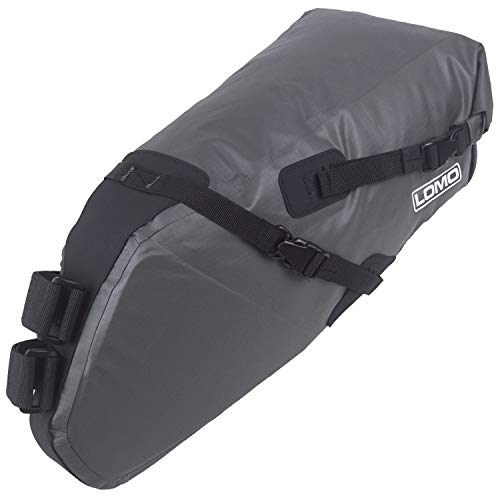
Bikepacking dry bags are a practical way to carry soft kit when you want to keep it compact and better protected from rain and spray. They are often used alongside other bikepacking luggage, where the aim is to make efficient use of limited space without adding unnecessary bulk.
What these bags are used for
This category covers dry bags intended for bikepacking trips, so the main focus is on simple, sealed storage rather than rigid structure. They are typically chosen for clothing, spare layers, sleeping gear and other items that benefit from being packed neatly inside a larger setup. For many riders, the appeal is that the contents can be organised separately and stowed in a way that suits the route and load plan.
Key details to compare
Size and shape are usually the first things to check. A longer, narrower bag may suit certain spaces better, while a more rounded option can be easier to pack around irregularly shaped items. Closure style is also important, as some bags are designed for a tighter roll-top seal, while others may use different fastening approaches. It is sensible to review the individual product details so you can match the bag to your packing habits.
Fit and attachment method can matter just as much as capacity. Some dry bags are best used as inner storage within another bag system, while others are intended to sit securely in a specific position on the bike. The right choice depends on how you want to distribute weight and how quickly you need to access the contents.
Choosing the right bag for your setup
For bikepacking, it often helps to think about what needs to stay dry, what needs to be reached quickly, and how often you plan to unpack. A dry bag that is easy to compress may be useful for soft items, while a more structured shape can help with tidier loading. If you are comparing listings, check the product description carefully for compatibility notes, fastening details and any guidance on intended use.
Because bikepacking systems vary, it is worth comparing the available options rather than assuming every dry bag will suit every setup. The most useful listing is usually the one that matches your carrying space, packing style and the type of trip you have in mind.