

Bicycle tubes are one of the simplest bike parts to replace, but choosing the right one still depends on a few practical checks. The main job is straightforward: match the tube to the tyre and rim setup you already have.
For most buyers, the decision comes down to size, valve type and intended use. A tube that is close but not quite right can be awkward to fit or unsuitable for your wheel, so it pays to compare the details carefully.
If you are replacing a punctured tube, upgrading a spare or keeping the right backup for regular riding, this guide can help you narrow the options without overcomplicating the choice.
What should you choose first?
Start with fit, then look at valve type and intended use. The correct size matters most because the tube must suit the tyre and wheel standard, while the valve must suit the rim opening and your pump head. After that, think about whether you want an everyday replacement tube or one chosen for a particular riding style or tyre setup.
Specifications vary by model, so always check the individual product page before buying.
| Feature | What It Means | Why It Matters | What To Check |
|---|---|---|---|
| Tube size | The tube must suit the wheel and tyre size it is intended for. | The wrong size may not seat properly or may be difficult to fit. | Match the listed size to your tyre and wheel standard. |
| Valve type | The valve must fit the rim and work with your pump. | An incompatible valve can stop inflation or make it inconvenient to top up. | Check valve style and valve length against the rim depth and pump setup. |
| Intended use | Some tubes are aimed at general riding, others at specific tyre setups or riding conditions. | The right choice can support the kind of riding you do most often. | Look for the intended application on the product page. |
| Tube material and thickness | Different constructions can affect weight, feel and puncture resistance. | There is usually a trade-off between lighter weight, durability and comfort. | Check the construction description rather than assuming all tubes feel the same. |
| Compatibility notes | Some tyres, rims or wheel setups may need closer checking than others. | Compatibility is where many buying mistakes happen. | Read the fit guidance carefully and compare it with your current wheelset. |
Key decision criteria explained
Size and fit
Size is the most important filter because a tube must suit the tyre dimensions and wheel size you are using. Even when two tubes look similar, a mismatch can make fitting awkward or leave you with a poor result. When in doubt, compare the size printed on your current tyre sidewall and the product listing together.
Valve style
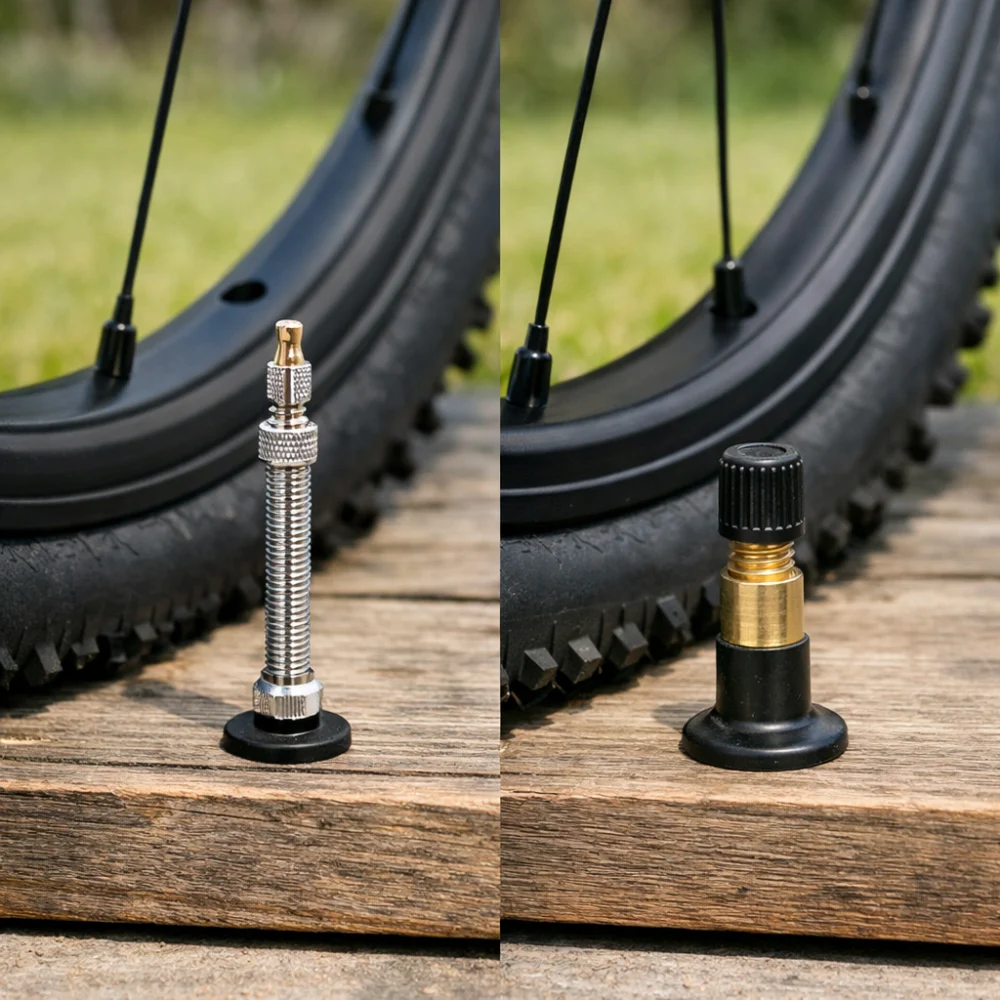
Valve type affects both compatibility and convenience. The valve has to pass through the rim opening, and you need to be able to inflate it comfortably with your pump or adapter. If your rim is deeper than average, valve length may also matter.
Wall thickness and construction
Some tubes are chosen for a lighter feel, while others prioritise robustness. Thicker constructions can be more forgiving in everyday use, but they may feel different on the bike. Lighter options may appeal to riders who care more about weight, yet that usually involves a trade-off elsewhere.
Tyre pressure and riding style
Your usual riding style can influence how much importance you place on resilience, comfort or easy fitting. A commuter may value straightforward reliability, while an occasional rider may simply want a compatible replacement that is easy to keep as a spare. The key is to choose a tube that matches the demands you actually place on the bike.
Tube types and variants
Within this category, the most relevant variations are usually about size, valve style and construction rather than dramatic product families. That makes the category simpler than many bike parts, but it also means the details matter more.
- Standard replacement tubes suit many everyday riders who mainly need the correct fit and a dependable spare.
- Different valve styles suit different rims and inflation setups, so they are chosen for compatibility first.
- Specialist constructions may be preferred by riders who want a different balance of weight, puncture resistance or ride feel.
Which tube suits which buyer?
| Buyer need | What usually matters most | Useful check |
|---|---|---|
| Replacing a punctured tube | Correct size and valve match | Compare the tyre size, rim opening and valve type before ordering. |
| Keeping a spare at home or in a bag | Broad compatibility and dependable fit | Choose a tube that clearly matches the bike you plan to use it with. |
| Commuting or regular use | Ease of fitting and everyday reliability | Look for the construction and valve details that suit frequent use. |
| Riders comparing feel and weight | Construction trade-offs | Read the product page for notes on tube material and intended use. |
| Gift buyers | Clear compatibility information | Check the recipient’s wheel size and valve type before choosing. |
Common mistakes and misunderstandings
- Assuming all tubes for the same wheel size are identical. They may still differ by valve type, length or construction, so check the full listing.
- Buying by tyre size alone. The valve needs to suit the rim as well, not just the wheel diameter.
- Ignoring the rim depth. A valve that is too short can be awkward or unsuitable to use comfortably.
- Treating puncture resistance as the only factor. Extra robustness can come with trade-offs in feel or weight.
- Keeping no spare for the bike you actually ride most. A correctly matched spare is easier to use when you need it quickly.
Safety and suitability caveats
Bicycle tubes are simple parts, but they still need to be matched carefully to the wheel and tyre setup. If a product page leaves any compatibility point unclear, it is better to confirm it before buying than to rely on guesswork. Do not assume a tube will fit just because it is close in size or looks similar to the one already fitted.
Maintenance, storage and lifespan considerations
Tubes are usually bought as replacements or spares, so practical storage matters. Keep spares clean, dry and away from sharp edges or unnecessary heat, and check that they remain in good condition before use. If you are buying for regular riding, it is sensible to think about how easy the tube is to carry, store and swap when needed.
How to compare options efficiently
- Confirm the wheel and tyre size you need.
- Check the valve type and make sure it suits the rim and pump.
- Decide whether you want a basic replacement or a tube with a particular construction.
- Compare the practical trade-offs rather than focusing on one feature only.
- Read the individual product page carefully before buying.
Summary buyer decision checklist
- Does the tube match your wheel and tyre size?
- Is the valve type suitable for your rim?
- Will the valve length work with your wheel depth?
- Does the construction suit how you ride?
- Have you checked the product page for any fit notes?
- Do you have a spare tube chosen for the bike you use most?
Frequently asked questions
How do I know which bicycle tube size I need?
Check the size printed on the tyre sidewall and compare it with the tube listing. The tube should match the wheel and tyre standard you are using, not just look approximately similar.
What is the difference between valve types?
Valve types are mainly about rim compatibility and inflation convenience. The right one depends on the rim opening and the pump or adapter you plan to use.
Can I use a slightly different tube size?
Some tubes cover a range of sizes, but you should still stay within the stated fit range. If the fit is outside that range, the tube may not be a sensible choice.
Do I need a special tube for commuting?
Not necessarily. Many commuters simply need the correct size, a suitable valve and a construction that suits regular use. Convenience and reliability often matter more than chasing a specialised feature.
Is a lighter tube always better?
Not always. Lighter constructions can appeal to some riders, but they may involve trade-offs in durability, puncture resistance or feel. The right choice depends on what matters most to you.
Should I keep a spare tube at home?
That is often sensible if you ride regularly. A spare that matches your most-used bike can save time when you need a replacement quickly.