

Bicycle wheels are one of the most important parts of how a bike feels and performs, but they are also one of the easiest areas to misunderstand when shopping. The right choice depends on what your bike is for, what parts it must work with and how much priority you put on strength, weight, maintenance and ride feel.
This guide focuses on the buying decisions that matter most before you compare individual product pages. It is especially useful if you are replacing worn wheels, upgrading an existing bike or trying to understand whether a wheelset is suitable for your riding.
Because wheels have to match the frame, brakes and tyres as well as the rider’s needs, a careful check is more useful than a quick guess. Specifications vary by model, so always check the individual product page before buying.
What should you look for when choosing bicycle wheels?
The best starting point is fit. If the wheel does not suit the frame, axle standard, brake type or tyre setup, it will not be a practical choice no matter how appealing it looks. After that, compare how the wheel is built for your type of riding, because the same category can cover everyday replacements, commuting use, off-road riding and lighter performance-focused options.
The main trade-off is usually between durability, weight, maintenance and ride feel. Stronger wheels tend to be more forgiving for rough use, while lighter options may feel livelier but can be less tolerant of hard treatment. Think about the surfaces you ride, how often you ride and whether you want a straightforward replacement or a more considered upgrade.
| Feature | What It Means | Why It Matters | What To Check |
|---|---|---|---|
| Wheel size | The diameter and format the wheel is designed to fit | Must match the frame and fork before anything else | Check the wheel size used by your bike |
| Axle and hub fit | How the wheel attaches to the bike | Fit must suit the dropouts and hub standard | Confirm axle type and spacing on the product page |
| Brake compatibility | Whether the wheel is intended for rim brakes or disc brakes | The wheel must work with your braking system | Match the wheel to your current brake setup |
| Tyre setup | Whether the wheel suits tube-type or tubeless use | Affects setup, maintenance and puncture management | Check rim and tyre compatibility together |
| Intended use | How the wheel is built for road, mixed or rougher riding | Influences strength, responsiveness and comfort | Look for clues in the product description and category context |
| Weight and build | How much material and reinforcement the wheel has | Shapes handling feel and toughness trade-offs | Compare build details rather than weight alone |
Which details matter most?
Fit and compatibility come first
Wheel compatibility is more than size alone. A wheel can be the right diameter and still be unsuitable if the axle standard, hub spacing or brake type does not match your bike. This is the point where buyers most often need to slow down and compare the product details carefully.
If you are replacing a wheel, check the existing wheel and the bike frame together, not just the old tyre size. Small differences in hub standard or brake fit can make an otherwise suitable-looking wheel a poor choice.
Use case shapes the right balance
A commuter may value dependable, low-fuss wheels that cope well with daily use. A rider heading onto rougher surfaces may care more about resilience and a build that tolerates repeated impacts. Someone chasing a livelier road feel may be more sensitive to weight and handling, but may also accept a bit less robustness.
Hub and spoke build affect feel and maintenance
The hub and spoke arrangement influences how the wheel rolls, how easy it is to service and how much load it can handle in practice. You do not need to obsess over every technical detail, but it helps to think about whether you want a simple replacement, a sturdier everyday option or a more performance-oriented setup.
When comparing models, look for clues about intended riding rather than assuming that a lighter wheel is automatically better. The right build is the one that suits your surface, load and frequency of use.
Rim type and tyre setup influence everyday convenience
Some wheels are designed around more straightforward tube use, while others are made with tubeless compatibility in mind. Tubeless-ready setups can appeal to riders who want a different balance of puncture management and rolling setup, but they may also add complexity compared with a simpler arrangement.
Think about how comfortable you are with setup and maintenance, as well as the tyres you already use or plan to use.
Common wheel types and variants
Bicycle wheels can differ in ways that affect how they ride and what they suit.
- Replacement wheels: A practical choice when you want a like-for-like or near-like-for-like swap for a damaged or worn wheel.
- Wheelsets: A matched pair can be useful when you are looking at a broader refresh or upgrade, rather than replacing one wheel at a time.
- Disc-brake wheels: Designed around disc braking rather than rim braking, so the braking system has to match.
- Rim-brake wheels: Built for bikes that brake on the rim surface, which means different compatibility checks apply.
- Tubeless-ready wheels: Suitable for riders who want to explore tubeless setups, provided the rest of the system is compatible.
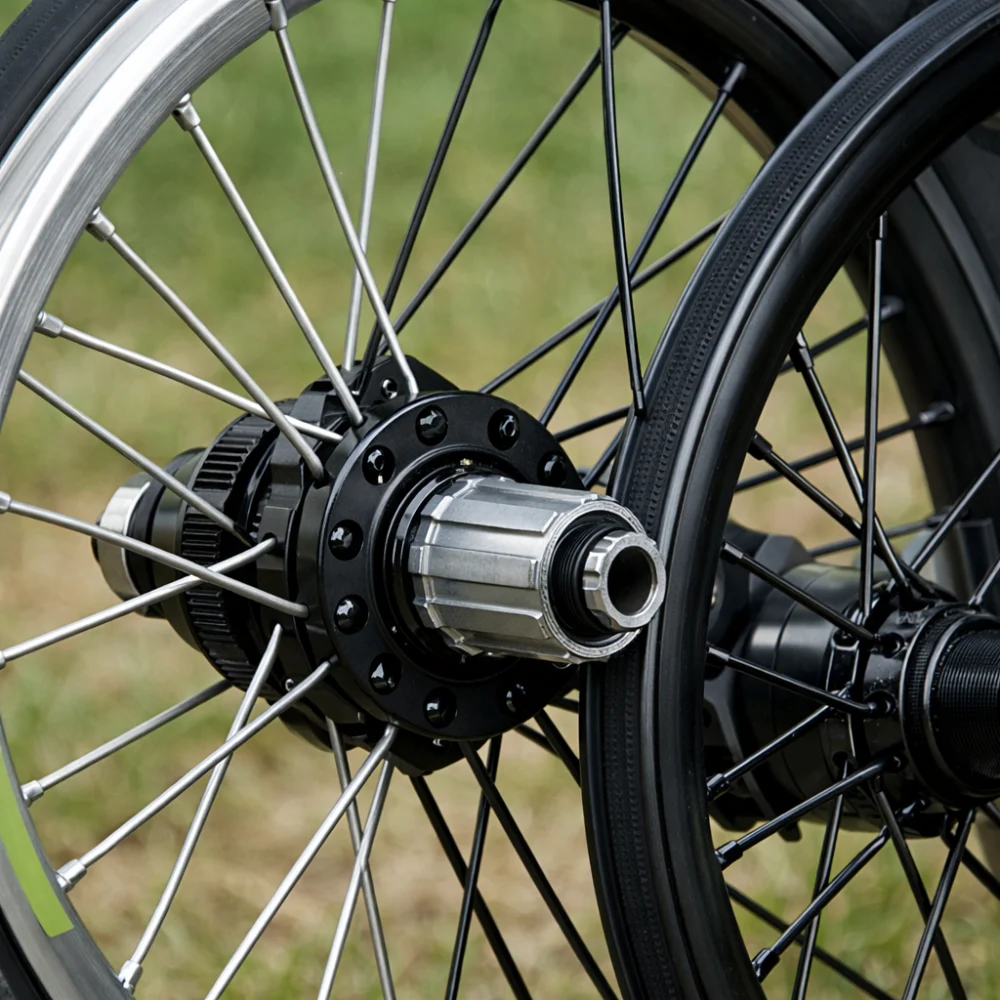
The main limitation is that a wheel type may sound simple but still depend on several matching details. The category name alone does not tell you enough; the product page needs to do the rest of the work.
Which wheel choice suits which buyer?
| Buyer need | Usually worth prioritising | Why |
|---|---|---|
| Replacement after damage | Exact fit, brake match, hub standard | Getting the bike back into service depends on compatibility more than upgrade appeal |
| Everyday commuting | Dependability, straightforward maintenance, sensible build | Daily use tends to reward practicality and resilience |
| Mixed-surface riding | Strength, appropriate tyre setup, stable handling | More variable terrain usually asks for a more forgiving wheel choice |
| Upgrade-minded rider | Weight, feel, intended riding style | A small change in build can alter how the bike responds |
| Gift or occasional buyer | Clear compatibility information, simple purpose, low-confusion setup | A wheel is only useful if it matches the recipient’s bike |
Common mistakes to avoid
- Choosing by wheel size alone: Size matters, but axle fit, brake type and hub compatibility matter too.
- Assuming lighter always means better: Lower weight can change ride feel, but it does not automatically make a wheel more suitable for everyday use.
- Ignoring the braking system: Rim-brake and disc-brake wheels are not interchangeable in practice.
- Overlooking tyre setup: Tube and tubeless considerations can change what you need to buy and how much setup is involved.
- Buying for the wrong use case: A wheel built for one style of riding may not be the best fit for another.
What about safety and suitability?
Wheels carry load, affect braking and are central to how a bike behaves, so suitability matters as much as appearance. Make sure any wheel you consider is intended for your bike type and riding style, and check the product details carefully if you are replacing a part that has to match existing components.
If you are unsure about a specific compatibility point, the safest approach is to rely on the individual product information rather than a general category label. That is especially important when the wheel forms part of a braking or tyre system that must work together correctly.
How can you compare options efficiently?
- Start with your bike’s fit requirements: wheel size, axle standard and brake type.
- Decide whether you need a straightforward replacement or a more purposeful upgrade.
- Compare the wheel’s intended use with your riding surface and frequency.
- Look at the tyre setup and maintenance approach you are comfortable with.
- Check the individual product page for the exact compatibility details before you decide.
Buying checklist
- Does the wheel match your bike’s size and frame requirements?
- Is the axle and hub fit correct?
- Does it suit your brake system?
- Is the tyre setup compatible with what you plan to use?
- Does the build suit your usual riding surface and load?
- Are you clear on the trade-off between weight, strength and maintenance?
Frequently asked questions
How do I know if a wheel will fit my bike?
Start with the basics: wheel size, axle standard, hub spacing and brake type. If any of those do not match, the wheel is unlikely to be a practical choice. The product page should give you the exact details you need to compare against your bike.
Should I replace one wheel or both?
That depends on the reason for buying. If one wheel is damaged, a single replacement may be enough, but if you are after a more even change in feel or performance, a pair may make more sense. The right answer is usually the one that best matches your bike and your budget.
Are lighter wheels always better?
Not necessarily. Lower weight can improve the feel of a bike, but a lighter wheel may not be the most suitable choice for rougher use or heavier daily demands. It is usually better to balance weight against durability and intended use.
What is the difference between rim-brake and disc-brake wheels?
They are built around different braking systems, so the wrong type will not be a suitable match. Always check what your bike uses now and make sure the wheel is designed for the same system. This is one of the most important compatibility checks.
Do I need to think about tubeless compatibility?
Only if you want to use that setup or already rely on it. Some wheels are intended for tubeless-ready use, while others are simpler tube-based options. Check the rim and tyre combination together rather than assuming any wheel will support your preferred setup.
What should I prioritise for commuting?
For commuting, many buyers focus on dependable construction, easy upkeep and compatibility that avoids unnecessary hassle. If the bike is used daily, the practical side of ownership often matters more than chasing the lightest possible wheel.
Can I upgrade wheels without changing the whole bike?
Often yes, but only if the replacement wheel is compatible with the bike’s existing standards. An upgrade should still fit properly and suit the brakes, tyres and frame. If those details are not aligned, the upgrade will not be worthwhile.