


Fishing rigs can make terminal tackle much easier to use because they bring several components together in one ready-to-fish setup. For many anglers, the main challenge is not understanding what a rig is, but working out which style suits their method, venue and target species.
This guide focuses on the buying decisions that matter: how a rig is built, how much control you want over your presentation and what should be checked on the individual product page before you buy. It stays at category level, so you can compare options without assuming one rig suits every situation.
Whether you are replacing worn tackle, trying a new approach or buying for someone who fishes regularly, the most useful choice is usually the one that matches the conditions you expect to fish in.
Compare Fishing Rigs


As an Amazon Associate we earn from qualifying purchases.
What should you look for in a fishing rig?
The best starting point is the fishing method you want to use and how much pre-tied convenience you want. A simple rig can be quicker to set up and more consistent for repeat use, while a more specialised rig may give you more control over presentation or bait positioning. The trade-off is usually between ease of use and how closely the rig matches a particular situation.
Specifications vary by model, so always check the individual product page before buying.
| Feature | What it means | Why it matters | What to check |
|---|---|---|---|
| Rig type | The general style of rig and how it presents bait or lure | Different styles suit different methods and venues | Whether the style matches your target species and intended use |
| Hook size and setup | The hook choice and how it is arranged in the rig | Affects presentation, bait size and how natural the rig may feel | Hook details shown on the product page and whether they suit your bait |
| Line or trace length | The length of the finished rig or terminal section | Can influence casting, presentation and handling | Whether the length fits your fishing style and venue |
| Material and finish | The materials used for the rig components | Shapes durability, flexibility and how tidy the rig is to use | Material descriptions and any notes on the intended fishing conditions |
| Ready-tied or assemble yourself | Whether the rig arrives pre-made or needs more setup | Impacts convenience and how much customisation you can make | How much preparation is required before use |
| Intended species or method | The kind of fishing the rig is designed around | Helps you avoid choosing a rig that is too specific or too general | Any stated target use and whether it matches your own plans |
Key decision criteria
Match the rig to the fishing method
Some rigs are chosen because they suit a particular presentation style, such as keeping bait in a precise position or helping with a specific baiting approach. If you fish in several ways, a more versatile rig may be more practical than one designed for a narrow task. The main question is whether you want flexibility or a rig tailored to a single use.
Think about convenience versus control
Ready-tied rigs save time and reduce guesswork, which is useful if you want a straightforward setup or you are still building confidence. More customisable options may appeal if you like to adjust components yourself. The trade-off is simple: convenience usually means less freedom to fine-tune every detail.
Check compatibility with your bait and tackle
A rig only works well if its hook arrangement, length and overall setup suit the bait and the rest of your terminal tackle. You do not need to know every technical detail, but you should confirm that the product description matches the kind of fishing you do. That matters more than choosing the most complicated-looking option.
Consider how often you will replace it
Some anglers prefer rigs that are quick to replace after use, especially when fishing regularly or in changing conditions. Others want a setup that can be stored carefully and used again if it remains in good condition. In either case, durability and ease of handling are worth checking alongside the rig style itself.
Common rig types and what they suit
There are usually a few broad rig styles to think about, even when the exact names differ between products. A simpler all-purpose rig can suit casual or general use, while a more specialised rig is usually aimed at a narrower technique or target. The more specific the rig, the more important it becomes to check that it matches your fishing plan.
- General-purpose rigs: Useful when you want a straightforward starting point and do not want a highly specialised setup.
- Technique-specific rigs: Better when you already know the presentation style you want and need the rig to support it.
- Pre-tied rigs: Helpful for convenience and consistency, especially for less experienced anglers or quick sessions.
- More customisable rigs: Better if you like to adapt components for different conditions or personal preference.
Which rig suits which buyer?
| Buyer need | What to prioritise | Why it helps |
|---|---|---|
| Beginner or occasional angler | Simplicity, clear product description and easy setup | Makes the first choice less confusing and reduces wasted effort |
| Regular angler | Consistency, suitable construction and method match | Helps keep setup predictable from one session to the next |
| Angler changing technique | Specific rig style and compatibility with the intended presentation | Improves the chance the rig supports the new approach properly |
| Gift buyer | A broadly useful rig with clear information | Reduces the risk of choosing something too niche |
| Cost-conscious buyer | Practicality and the features that matter most for the intended use | Helps avoid paying for details that will not make a difference |
Common mistakes to avoid
- Choosing by name alone: A rig title can sound familiar but still be unsuitable for your method or venue.
- Overlooking the intended use: A rig made for one style of fishing may not be a good general-purpose choice.
- Ignoring setup convenience: If you want a quick session, a highly involved rig may be more effort than it is worth.
- Not checking the product page carefully: Small differences in description can matter more than the headline name.
Suitability, care and storage
Fishing rigs are best chosen with how you plan to store and use them in mind. If they are pre-tied or contain multiple components, keeping them tidy matters because tangles and damage can reduce their usefulness. It also helps to think about how often you will refresh or replace them, especially after use in demanding conditions.
For buying purposes, the main check is whether the rig’s construction and packing format fit your routine. A compact, ready-to-use option may suit short sessions, while a more adaptable setup may be better if you fish in different places and want more control over the final arrangement.
How to compare options efficiently
- Decide what kind of fishing you want the rig for.
- Choose between a simple ready-made option and a more customisable setup.
- Compare the rig style, hook setup and overall length or presentation.
- Check whether the description suits your bait, tackle and intended venue.
- Pick the option that gives you the right balance of convenience and control.
Fishing rig buyer checklist
- Does the rig suit your target species or fishing method?
- Is it simple enough for your experience level?
- Does the hook setup and presentation match your bait?
- Is the rig ready-tied or meant for more hands-on setup?
- Have you checked the product page for the exact details you need?
- Does the level of convenience match how often you will use it?
Frequently asked questions
What is a fishing rig used for?
A fishing rig is a connected setup of terminal tackle designed to help present bait or a lure in a particular way. It can make setup easier and help keep the presentation more consistent. The exact purpose depends on the rig style.
Are ready-tied rigs worth considering?
They can be useful if you want speed, consistency or a simpler setup. They are also a practical choice if you are still learning or do not want to build each rig from scratch. The main trade-off is less flexibility than a fully custom setup.
How do I know which rig style to choose?
Start with the fishing method, venue and target species. If a product page says the rig is suited to a particular approach, that is usually a better guide than the product name alone. When in doubt, choose the option that most closely matches how you actually fish.
Do all fishing rigs suit the same tackle?
No, and that is why it is worth checking the description carefully. Some rigs are designed for specific presentations or conditions, so the details matter more than the broad category name. A close match is usually more useful than a general one.
What should I check before buying a fishing rig online?
Look at the rig type, the stated use, any hook or length details and whether it is ready to use or needs more assembly. Those points usually matter more than extra wording in the product title. If a description is brief, be cautious and make sure it still fits your needs.
Is a more complicated rig always better?
Not necessarily. A simpler rig can be easier to use and may suit many situations well. More complexity only helps if it solves a problem you actually have.
More Fishing Rigs
See all 90 Fishing Rigs →


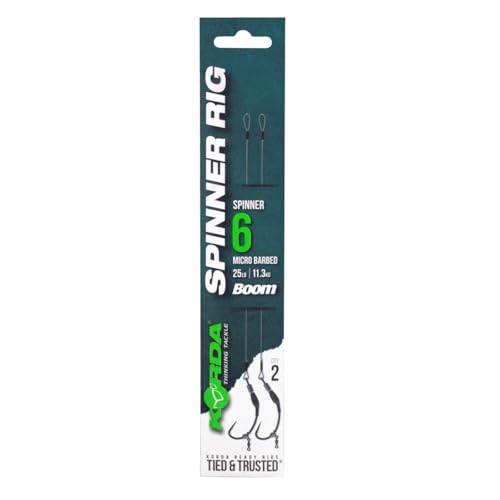

As an Amazon Associate we earn from qualifying purchases.