

Ice fishing lures are chosen less for one universal “best” option and more for how they behave in cold, often restricted fishing conditions. The right choice usually depends on the species you are targeting, the depth you expect to fish, and how much movement or pause your presentation needs.
If you are new to ice fishing, it helps to think about lures as part of a system: lure style, size, colour, and how you work it on the line all matter. A lure that looks attractive in theory may still be a poor fit if it is too heavy, too subtle, or difficult to fish the way you want.
This guide focuses on how to compare ice fishing lures sensibly, so you can narrow the options without guessing. Specifications vary by model, so always check the individual product page before buying.
What should you look for in an ice fishing lure?
The most useful starting point is the kind of action you want from the lure and the depth or species you are trying to attract. A good ice fishing lure is one that suits your target fish, works well at the depth you expect, and can be fished in a controlled way through a small opening in the ice. The main trade-off is usually between attraction and subtlety: some lures create more flash or movement, while others are designed for a quieter presentation.
| Feature | What It Means | Why It Matters | What To Check |
|---|---|---|---|
| Lure action | How the lure moves when lifted, paused or jigged | Different fish respond to different movement styles | Look for the intended style of action and whether it suits your presentation |
| Size and profile | The overall shape and visual presence of the lure | Can affect how visible or subtle the lure appears | Check whether the lure is intended for a more compact or more noticeable presentation |
| Weight | How much the lure weighs and how it behaves in the water | Influences sink rate, control and how easily you can work it at depth | Confirm the model is suited to the depth and technique you plan to use |
| Colour or finish | How the lure looks in the water and under available light | Can affect visibility in clearer or darker conditions | Choose a finish that matches the conditions you commonly fish in |
| Hook arrangement | The hook style and how it is integrated with the lure | Can affect presentation and how you handle fish at the hole | Check the product description for the hook configuration and intended use |
Key decision criteria
Target species and feeding behaviour
Different fish may respond to different lure styles, so the first question is what you are trying to catch. Some situations call for a lure that creates attention, while others favour a more restrained approach. If you are unsure, choose a style that is commonly used for your target species and then compare the finer details rather than starting with appearance alone.
Depth and control
Ice fishing often rewards control, because you are working the lure in a limited vertical space. Heavier or more compact lures may help you get down and stay where you want them, while lighter options may offer a gentler presentation. Think about whether your priority is faster sink, easier movement, or a slower, more delicate action.
Visibility in the water
Colour and finish are about visibility, not just style. In some conditions, a more noticeable finish can make it easier for fish to find the lure, while in others a quieter look may be more convincing. This is one area where local conditions matter, so it is sensible to compare a few finishes rather than assuming one colour solves every situation.
Ease of use for your technique
Some lures are better suited to active jigging, while others work well with subtle lifts and pauses. If you prefer simple, repeatable movements, choose a lure that supports that approach. A lure that demands constant, precise movement may be less forgiving if you are still developing your ice fishing technique.
Types and variants within this category
Ice fishing lures are usually compared by their overall presentation rather than by a long list of formal subtypes. The practical difference is often whether the lure is built for a more active or a more subtle approach, and whether it is designed to be fished near the bottom, higher in the water column, or with short vertical movement. That is why the product page details matter more than the general name alone.
If you are comparing similar lures, focus on how they are meant to move, how noticeable they are, and whether the size feels appropriate for your target fish and conditions. A simple-looking lure may be the better choice if you want control, while a more eye-catching design may suit situations where fish need extra attention.
Which lure suits which kind of buyer?
| Buyer need | What usually helps | Why |
|---|---|---|
| Beginner building confidence | Simple presentation and clear product information | Makes it easier to understand how the lure is meant to be used |
| Targeting a known species | A lure style commonly used for that species | Helps you narrow the choice to a proven type of presentation |
| Fishing varied conditions | A small selection of different actions or finishes | Gives more flexibility when light or fish behaviour changes |
| Wanting subtle movement | Compact profile and controlled action | Can be better when fish are cautious |
| Wanting more visual attraction | More noticeable movement or finish | Can help a lure stand out when conditions make it harder to spot |
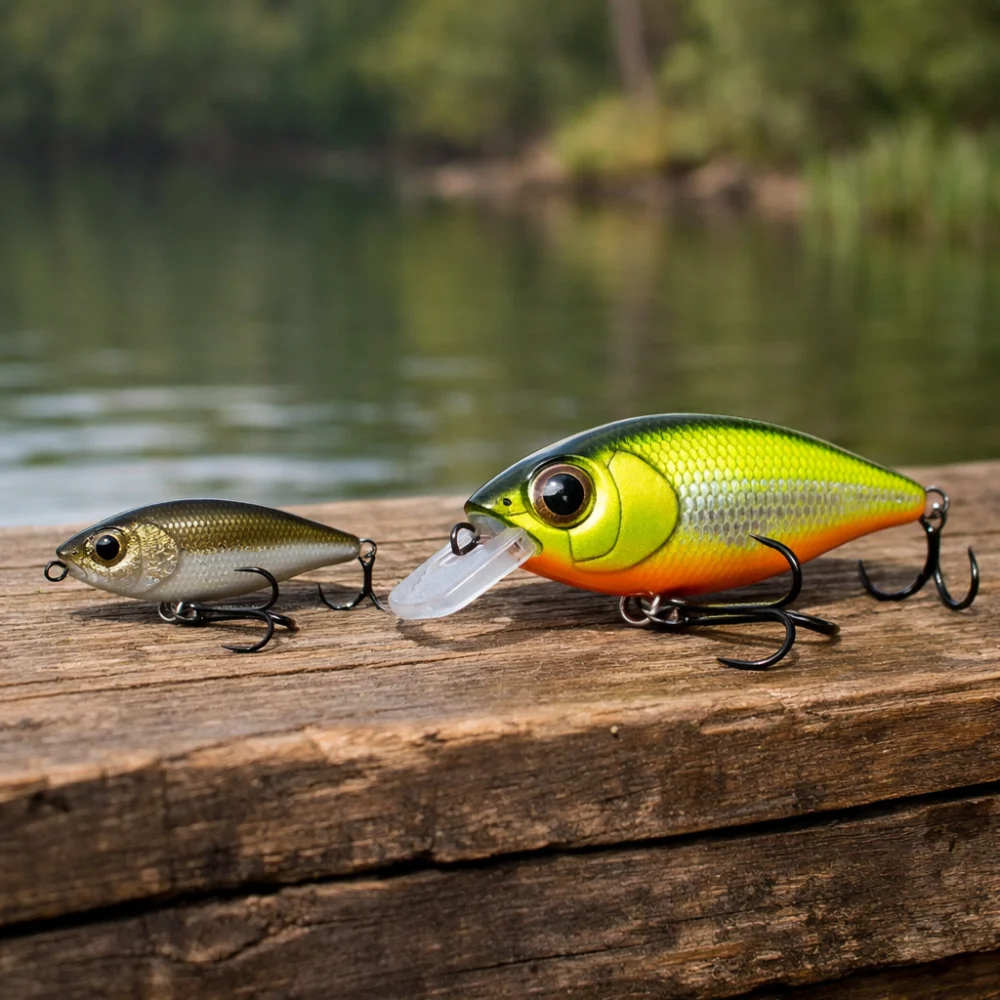
Common mistakes and misunderstandings
- Choosing by appearance alone. A lure that looks attractive on the page may not suit your depth, species or style of fishing.
- Assuming bigger is always better. Size affects visibility and control, so a larger lure is not automatically more effective.
- Ignoring the intended action. If a lure is designed for a movement style you do not plan to use, it may be harder to fish well.
- Overlooking the hook and overall setup. The lure’s design should make sense for the way you want to present and handle fish.
Suitability and caveats to keep in mind
Ice fishing conditions can change quickly, and lure choice should always be matched to the local situation rather than treated as fixed. Consider the target species, water clarity, depth and the technique you are comfortable using. If a lure looks promising but the product information is vague, it is better to pause and compare another option than to rely on guesswork.
Do not assume every lure in this category will suit every ice fishing setup. Small differences in weight, profile and action can make a noticeable difference to how the lure behaves once it is in use.
Maintenance, storage and practical ownership
Ice fishing lures are usually straightforward to store, but they still benefit from being kept organised and checked before use. If a lure has moving parts, hooks or finishes that can be affected by moisture, sensible storage after fishing can help it stay in better condition. A tidy tackle box also makes it easier to compare lures quickly when conditions change.
It is also worth thinking about whether you want a few versatile lures or a broader selection for different situations. More options can be useful, but only if you can still find the right lure quickly and understand what each one is for.
How to compare options efficiently
- Start with the fish you are targeting and the depth or conditions you expect.
- Choose the general lure style that fits your preferred presentation.
- Compare weight, size, colour and action rather than focusing on appearance alone.
- Check the individual product page for the details that affect use and suitability.
- Decide whether you want one versatile option or a small selection for different conditions.
Summary buyer decision checklist
- Does the lure suit the species you are targeting?
- Is the size and weight appropriate for the depth and presentation you want?
- Does the action match how you plan to fish it?
- Is the colour or finish sensible for the conditions you usually face?
- Have you checked the product page for any model-specific details?
- Will the lure be easy for you to fish confidently and consistently?
Frequently asked questions
What makes an ice fishing lure different from other fishing lures?
Ice fishing lures are chosen with a more vertical, controlled presentation in mind. They are often compared by how they move in a limited space, rather than by long casting performance. That makes lure action and control more important than they would be in some open-water situations.
Should I choose a flashy lure or a subtle one?
It depends on the conditions and the fish you are trying to attract. Flashier lures can be easier to notice, while subtle lures may suit cautious fish or situations where a softer approach works better. If you are unsure, think about the type of presentation you are most likely to use.
How important is lure weight?
Weight affects how quickly the lure reaches the depth you want and how it behaves when you work it. A heavier lure may offer more control in some situations, while a lighter one may feel more delicate. The right choice depends on the depth, the species and your preferred technique.
Do I need different lures for different fish?
Often, yes, at least in practice. Different species and feeding moods can respond better to different lure styles, sizes and movement patterns. Even if you start with one general option, it helps to compare a few alternatives if you plan to fish regularly.
How many ice fishing lures should I buy at first?
For a first selection, it is usually better to start small and choose lures that cover a few different presentations. That gives you enough variety to compare without making the choice feel unmanageable. Once you know what works best for your situation, you can add more specific options.