


Shrimp nets are a simple but purpose-specific part of saltwater fishing gear. If you are choosing one, the main job is to match the net style to where and how you plan to use it, rather than assuming every shrimp net performs the same way.
This guide focuses on the practical differences that matter at buying time: size, shape, handling, construction and how easy the net is to use in the conditions you expect. It is meant to help you compare options clearly before you look at individual product pages.
Because shrimp net designs can vary, it helps to think first about your intended use, then narrow down the features that suit that use. Specifications vary by model, so always check the individual product page before buying.
Compare Shrimp Nets
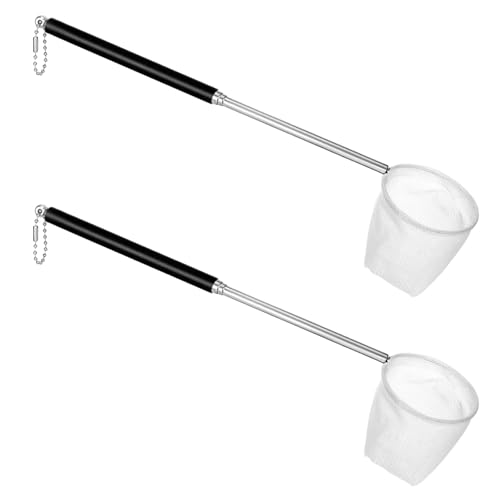
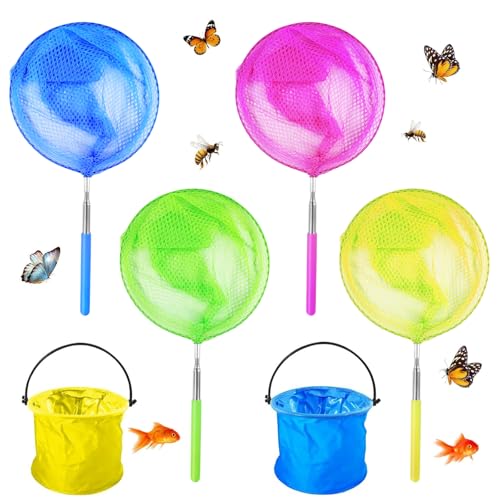


As an Amazon Associate we earn from qualifying purchases.
What should you look for in a shrimp net?
The best starting point is the fishing situation you need it for. A good shrimp net should be practical to handle, appropriate for the water you are working in and simple enough to use without unnecessary fuss. The main trade-off is usually between compact handling and easier coverage, so it is worth weighing portability against the amount of water you want to work.
| Feature | What It Means | Why It Matters | What To Check |
|---|---|---|---|
| Net shape | The overall form of the net opening and frame | It affects how the net moves through the water and how easy it is to control | Look for a shape that suits your intended use and handling preference |
| Size | The working area of the net | It influences reach, ease of use and how much water you can cover | Check whether the size feels manageable for your fishing setup |
| Handle or mounting style | How the net is held or attached during use | It affects comfort, control and convenience | Confirm it suits the way you plan to fish |
| Construction | The materials and build approach used for the net and frame | It influences durability and how the net feels in use | Review the product description for material and build details |
| Mesh design | The netting pattern and openness of the mesh | It can affect how easily the net works in the water and how simple it is to handle | Check the mesh style and whether it matches your target use |
Key decision criteria explained
Shape and control
Shape is one of the most important practical differences because it affects how naturally the net moves and how much control you feel when using it. If you want something easy to manage, a more compact design may feel simpler; if you need broader coverage, a larger opening may be more useful. Think about the balance between control and working area rather than choosing the biggest option by default.
Size and portability
Size affects both performance and convenience. A larger net may give you more reach or coverage, but it can also be less convenient to carry, store and manoeuvre. If you travel light or fish from a small setup, compactness may matter more than maximum coverage.
Construction and durability
Construction matters because saltwater use can be hard on fishing gear. Look for a design that appears suitable for regular exposure to wet, salty conditions and check the product details for the materials used. It is sensible to favour straightforward build quality over features you are unlikely to use.
Ease of use
A shrimp net should be easy to position, lift and reset if needed. This is especially important if you are new to the category or expect to use the net for longer sessions. Handles, balance and general handling can make more difference than a long feature list.
Types and variants you may see
Shrimp nets are often compared more by design style than by strict product families. Some buyers will want a more compact, easy-to-handle option for straightforward use, while others may prefer a larger or more specialised design for a different fishing setup. The main thing is not the label itself, but whether the net suits your method and environment.
- Compact styles: Often chosen where portability and easy handling matter most.
- Larger working styles: Better when broader coverage is more important than compact storage.
- More specialised designs: May suit buyers who already know exactly how they want to use the net.
Which type suits which buyer?
| Buyer need | What to prioritise | Why |
|---|---|---|
| Beginner or occasional user | Simplicity and easy handling | A straightforward net is usually easier to learn with and less tiring to use |
| Travel or compact storage | Smaller packed size and easy carrying | Convenience matters more when space is limited |
| Longer sessions | Comfort and control | A net that is easier to manage can feel less awkward over time |
| More specific fishing setup | Shape and mounting style | Matching the net to the method is more important than choosing by appearance alone |
Common mistakes and misunderstandings
Choosing only by size: Bigger is not automatically better. A net that is too large for your setup may be awkward to use, store or control.
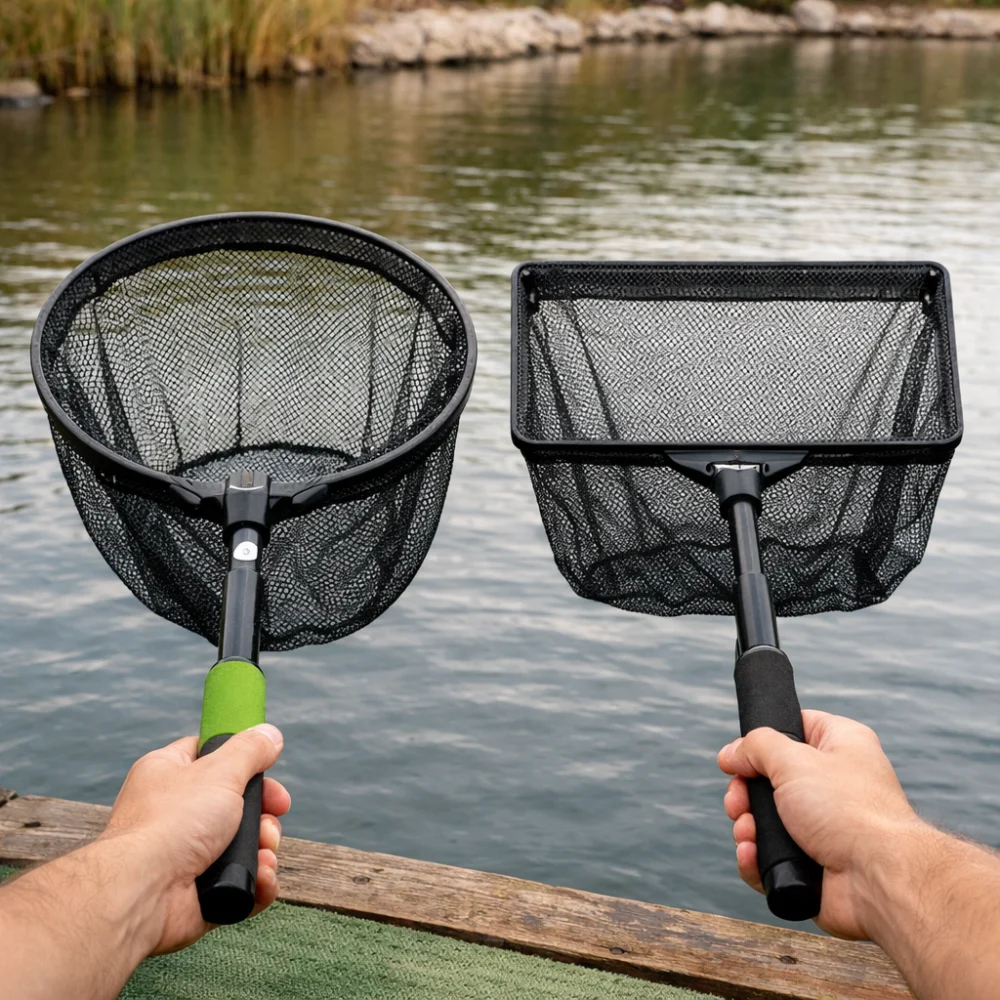
Ignoring the handle or mounting style: The way the net is held or attached can be just as important as the net itself. If the setup does not suit your fishing method, the net may feel inconvenient in practice.
Overlooking saltwater exposure: A net used around saltwater should be judged with durability in mind. Check the product description carefully rather than assuming all materials will behave the same way.
Assuming all shrimp nets work the same way: Small differences in design can change how easy a net is to use. Looking closely at the product page helps avoid buying a style that is technically similar but practically unsuitable.
Safety and suitability caveats
Choose a shrimp net that fits your intended fishing environment and comfort level. If you expect to use it in moving water, around rocks or from a boat, think carefully about handling and control before deciding on size or style. It is also worth checking whether the net is intended for the type of use you have in mind, rather than assuming a general-purpose design will suit every situation.
Maintenance, storage and lifespan considerations
Saltwater gear usually benefits from sensible care after use. Even when a net is built for outdoor conditions, rinsing, drying and storing it properly can help it stay in better condition. Before buying, consider how easy the net looks to clean and store, especially if you expect to use it regularly or keep it in a limited space.
How to compare shrimp nets efficiently
- Start with the way you plan to use the net and the conditions you expect.
- Choose the general size and shape that match that use.
- Compare handle, mounting and construction details for comfort and practicality.
- Check whether the design seems easy to carry, store and maintain.
- Read the individual product page closely before deciding.
Summary buyer decision checklist
- Does the net match your intended fishing method?
- Is the size practical for your setup and storage space?
- Does the shape feel easy to control?
- Are the construction details suitable for saltwater use?
- Will the handle or mounting style suit how you plan to use it?
- Have you checked the individual product page for the exact details you need?
Frequently asked questions
What makes a shrimp net different from other fishing nets?
Shrimp nets are chosen for a specific kind of fishing task, so the shape and handling matter more than general-purpose netting. The right design depends on how you want to use it and the conditions you expect, rather than on one universal standard.
Is a larger shrimp net always better?
Not necessarily. A larger net may offer more working area, but it can also be harder to handle, carry and store. The useful size is the one that matches your setup and feels manageable in practice.
Should I prioritise mesh, frame or handle first?
Start with the feature that affects your use most directly. For many buyers that means shape and handling first, then construction and mesh details once the basic style has been narrowed down.
Can I use any shrimp net in saltwater?
You should not assume that every net is equally suited to saltwater exposure. Check the product information for construction and intended use so you can judge whether it looks appropriate for your fishing environment.
What matters most for a beginner?
Beginner buyers usually benefit from a net that is simple, easy to handle and not overly specialised. A practical design is often more helpful than one with features that sound advanced but do not suit the intended use.
How should I judge quality from a product page?
Look for clear information on shape, size, materials and handling. If those details are vague, compare the description carefully against your own needs before deciding.
More Shrimp Nets
See all 73 Shrimp Nets →


As an Amazon Associate we earn from qualifying purchases.