

Bike knee pads are a simple way to add protection when riding where falls, knocks or trail contact are more likely. They can be relevant for mountain biking, bikepacking, downhill sessions or any ride where extra coverage feels worthwhile.
The main challenge is not finding a pad, but choosing one that balances protection, comfort and pedalling freedom. A pad that feels secure but awkward can be distracting, while a lighter pad may be easier to wear but offer less coverage.
This guide helps you compare the features that matter most before you look at individual product pages.
What should you look for in bike knee pads?
The best starting point is your riding style. If you want maximum coverage for rougher terrain, you will usually prioritise stronger protection and a secure fit. If you want something for longer rides or mixed-surface use, comfort, breathability and low bulk may matter more.
Fit is just as important as protection. Knee pads that move around, pinch or slide down are less likely to be worn consistently, so it is worth checking the shape, fastening style and how the pad is meant to stay in place. Specifications vary by model, so always check the individual product page before buying.
| Feature | What it means | Why it matters | What to check |
|---|---|---|---|
| Coverage | How much of the knee area the pad is designed to protect | More coverage can feel reassuring on rougher trails, but may add bulk | Look at the protected area and whether the shape suits your riding position |
| Fit and hold | How securely the pad stays in place while pedalling | Good retention helps reduce slipping, twisting and constant adjustment | Check sizing guidance, strap style and whether the pad is intended to be worn with or without extra layers |
| Flexibility | How easily the pad bends with your leg | More flexibility can improve comfort and pedalling freedom | Look for clues in the product description about movement, articulation or soft construction |
| Breathability | How well air can move through or around the pad | Warmer conditions and longer rides can make heat build-up more noticeable | Check materials, ventilation details and whether the pad is described as suitable for active use |
| Bulk | How large or noticeable the pad feels under riding clothing | Lower bulk can be more comfortable for long sessions or mixed riding | Consider how much room it will take under trousers or alongside other protective layers |
| Ease of removal | How quickly the pad can be taken on and off | Useful if you alternate between climbs, descents or different parts of a ride | Check whether the design uses pull-on, wrap-around or strap-based fastening |
Key decision criteria explained
Protection level
Different knee pads are designed for different kinds of impact and trail exposure. A more substantial pad may suit aggressive riding, while a lighter option may be enough if you mainly want reassurance rather than maximum coverage. Avoid assuming that thicker always means better; comfort and fit still matter.
Fit and sizing
A good fit should feel secure without restricting movement. If the pad is too loose it may slide during the pedal stroke, and if it is too tight it can become uncomfortable on longer rides. Check how the brand recommends measuring and whether the shape is intended for use over base layers or directly against the skin.
Comfort on the bike
Comfort is about more than padding. The shape around the knee, the softness of edges and how the pad behaves while pedalling all affect whether it will be worn regularly. For longer rides, lighter and better-ventilated designs often feel easier to live with, even if they offer a different balance of protection.
Ventilation and warmth
Knee pads can feel noticeably warmer than bare legs, especially in mild weather or on steady climbs. If overheating matters to you, look for construction details that suggest airflow, moisture management or reduced material build-up. That trade-off is often worth thinking through before choosing a more protective design.
Fastening style
Some pads rely on a pull-on sleeve, while others use straps or a wrap-around layout. Sleeve-style pads can feel simpler, but straps may make fine adjustments easier. The right choice depends on how often you plan to remove them and how much adjustment you want on the trail.
Product types and variants
Within bike knee pads, the most useful distinction is usually between lighter, more flexible designs and more substantial trail-oriented pads.
- Lighter knee pads may suit riders who want comfort, easier pedalling and less bulk.
- More substantial knee pads may suit rougher terrain, steeper descents or riders who prefer a more protective feel.
- Strap-based designs can help with adjustment and retention.
- Sleeve-style designs can feel simpler and more streamlined.
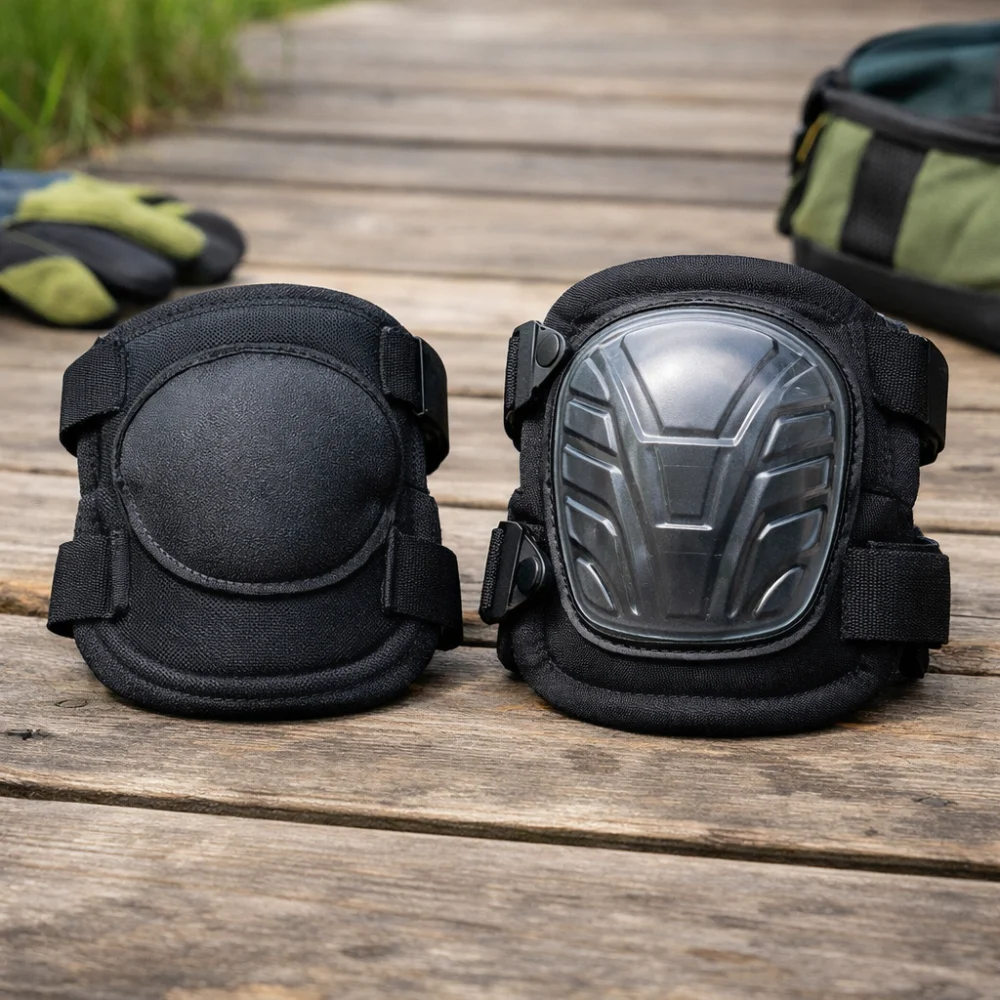
The main limitation is that every design involves a trade-off between comfort, coverage and heat build-up. There is rarely one format that is ideal for every ride.
Which knee pads suit different riders?
| Buyer need | Likely priority | Why this matters | Useful check |
|---|---|---|---|
| Trail and mountain biking | More secure fit and stronger coverage | Rougher terrain can make slipping or exposed areas more noticeable | Look closely at retention, coverage and how the pad is shaped for active riding |
| Longer mixed rides | Comfort and breathability | A pad that feels too warm or bulky may be left at home | Check ventilation, bulk and how the material is described |
| Occasional protection for confidence | Simple fit and moderate coverage | You may value reassurance without committing to heavy equipment | Look for an easy, well-sized option that does not feel intrusive |
| Riders who frequently stop and start | Quick on-off convenience | If you remove pads often, fastening style becomes more important | Compare sleeve, strap or wrap-around designs |
Common mistakes and misunderstandings
- Choosing by thickness alone. A bulkier pad is not automatically the right choice if it is uncomfortable or hard to keep in place.
- Ignoring sizing guidance. Even a well-designed pad can feel wrong if the fit does not suit your leg shape or riding position.
- Overlooking heat build-up. Protection that is unpleasant in warm weather may not get used consistently.
- Assuming all knee pads behave the same. Fastening style, shape and flexibility can make a big difference to how wearable they feel.
Safety and suitability caveats
Knee pads can add useful protection, but they do not eliminate the risk of falls or injuries. Choose them as part of a broader decision about where and how you ride, and check that the design suits your intended use. If you are comparing products for a specific discipline or level of exposure, the individual product page should be your main source for suitability details.
Maintenance, storage and lifespan
Most knee pads benefit from basic care so they stay comfortable and usable. That usually means letting them dry properly after a ride, keeping them free from grit and storing them flat or as recommended by the manufacturer. Over time, elastic, straps and soft materials can lose some feel or hold, so it is sensible to check for wear before relying on them regularly.
How to compare options efficiently
- Decide what kind of riding you want the pads for.
- Choose the level of coverage and bulk you are comfortable wearing.
- Compare fit, retention and fastening style.
- Check ventilation and comfort for the weather or ride length you expect.
- Read the individual product page carefully before making a final choice.
Summary buyer decision checklist
- Does the pad suit your riding style and likely terrain?
- Is the fit guidance clear for your leg size and shape?
- Will the fastening style feel secure and convenient?
- Is the level of coverage right for your comfort needs?
- Will the pad feel manageable in the weather you usually ride in?
- Have you checked the individual product page for model-specific details?
Frequently asked questions
Do bike knee pads need to be tight?
They should feel secure enough to stay in place, but not so tight that they restrict movement or become uncomfortable. A good fit usually feels stable through the pedal stroke without constant readjustment. Check the sizing guidance for the specific product rather than assuming a general clothing size will be right.
Are knee pads only for downhill riding?
No. Riders use them for a range of reasons, including trail riding, bikepacking or simply wanting extra reassurance on rougher routes. The key is to choose a pad whose protection and comfort level matches the sort of riding you actually do.
Should I choose sleeves or straps?
That depends on whether you value a simple, streamlined feel or more adjustment. Sleeves can feel less fiddly, while straps may help you fine-tune the fit. Either can work well if the sizing and shape suit your legs.
Will knee pads feel hot?
They can, especially in mild or warm weather. Breathability, bulk and material choice all affect how noticeable that warmth feels. If you are sensitive to heat, compare those details carefully before choosing a more protective design.
Can I wear knee pads under trousers?
Sometimes, but it depends on the bulk of the pad and the fit of the trousers. A lower-profile design is usually easier to pair with additional clothing. Always check the product page for clues about intended use and shape.
How do I know if I need more protection or more comfort?
Think about the rides where you are most likely to wear them. If you ride technical trails or want a stronger sense of coverage, protection may come first. If you mainly want something you will actually wear on longer or easier rides, comfort and breathability may matter more.