

Bike elbow pads are a practical choice for riders who want extra coverage when the trail, terrain or riding style makes occasional contact more likely. They are also useful for people comparing protection options and trying to decide how much bulk, flexibility and coverage they want on the bike.
This guide keeps the decision focused on fit, intended use and comfort. It is less about finding the fanciest-looking option and more about choosing pads that stay in place, feel manageable to wear and match the kind of riding you actually do.
What should you look for first?
The best starting point is the balance between protection and freedom of movement. Elbow pads that feel secure and well-shaped are more likely to be worn consistently than heavier pads that feel restrictive. For many buyers, the main decision is whether they want a lighter, more flexible pad for general riding or a more substantial design for rougher routes.
Specifications vary by model, so always check the individual product page before buying.
| Feature | What it means | Why it matters | What to check |
|---|---|---|---|
| Fit | How the pad sits on the arm and stays in place | A poor fit can feel distracting and may need constant adjustment | Size guidance, fastening style and whether the shape suits your arm position |
| Coverage | How much of the elbow and surrounding area the pad protects | More coverage may give greater confidence, but can add bulk | Pad shape, height and whether the design matches your riding risk |
| Flexibility | How freely the pad bends with your arm | Higher flexibility can improve comfort on longer rides | Construction, panel design and whether the pad is meant for active movement |
| Retention | How well the pad stays in position while riding | Pads that shift can be frustrating and less comfortable | Grip features, strap layout and any design notes about stability |
| Ventilation | How open or breathable the pad feels | Better airflow can help on warmer rides or during harder efforts | Perforation, open construction or other breathability cues |
Key decision criteria explained
Fit and comfort
Fit is usually the most important factor because elbow pads only help if they can be worn comfortably. Look for a shape and fastening approach that feels secure without cutting into the arm or slipping during movement. If the pad feels awkward when you bend or reach, it is less likely to be a good everyday choice.
Level of coverage
Different riders want different amounts of coverage. Some prefer a compact pad that is easy to forget about on the bike, while others want a larger protective area for rougher trails or more exposed riding. More coverage can mean more reassurance, but it can also bring extra size and reduced freedom of movement.
Mobility and pedalling comfort
Elbow pads should work with your riding position, not against it. If you ride in a more upright position, a different pad shape may feel better than one designed around a very aggressive stance. The practical question is whether you can steer, brake and move naturally without the pad bunching or pulling.
Retention and stability
Staying put matters just as much as initial comfort. Pads that rotate, slide or need frequent adjustment can become distracting over time. Look for clues in the product information about hold, fastening, sleeve design or shaping, especially if you expect to ride on uneven ground.
Breathability and heat build-up
Heat and sweat can be a deciding factor even when the protection itself looks similar. More open or ventilated designs may feel easier to live with on longer rides, though that can sometimes come with less coverage or a lighter feel. Think about when and where you ride most often.
Common types and what they suit
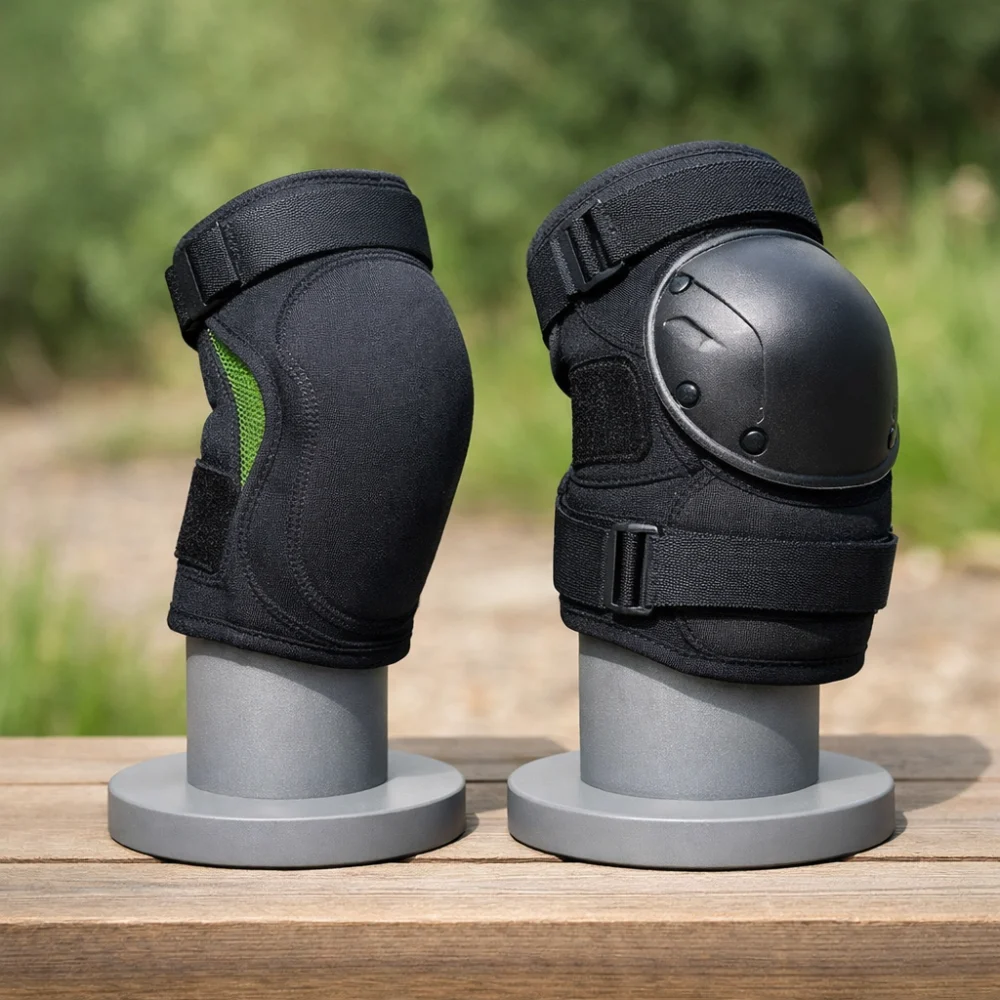
Lightweight sleeve-style pads
These are often aimed at riders who want low-profile protection and a simple feel. They can suit general trail riding or mixed use when comfort and easy movement matter most. Their main limitation is that they may offer less reassuring coverage than bulkier designs.
Strap-retained pads
These use fastening points to help keep the pad in place. They may suit riders who want a more controlled fit or who have found sleeve-style pads move around too much. The trade-off is that extra straps can add bulk or feel more noticeable.
More substantial trail-oriented pads
Some elbow pads are shaped for riders who expect rougher conditions or want a stronger sense of protection. They may suit more committed off-road use, but can feel warmer and less flexible. If that sounds like your riding, the extra size may be worthwhile; if not, it may be more pad than you need.
Which type suits which buyer?
| Buyer need | What to prioritise | What to avoid |
|---|---|---|
| Everyday trail rider | Comfort, moderate coverage and reliable stay-put design | Overly bulky pads that feel hard to wear often |
| Rider who values freedom of movement | Low-profile shape and flexible construction | Stiff designs that restrict arm movement |
| Rider wanting more reassurance on rough terrain | Broader coverage and secure retention | Pads that look minimal if confidence is a priority |
| Warm-weather rider | Breathability and manageable bulk | Dense designs that may feel hot on longer outings |
Common mistakes and misunderstandings
- Buying by appearance alone: a pad that looks protective may not suit your arm shape or riding position.
- Ignoring movement: if the pad feels awkward when bent, it may become irritating on the bike.
- Overestimating coverage: more material does not automatically mean a better everyday choice.
- Forgetting retention: pads that drift out of place can reduce comfort and confidence.
- Assuming one style suits all riding: a pad for gentle trail use may not be the same as one for rougher, faster or more technical riding.
Safety and suitability caveats
Elbow pads can add a useful layer of protection, but they do not remove the need for cautious riding or guarantee injury prevention. The right choice depends on your size, riding style and how much coverage you are comfortable wearing. Check the product details carefully if you are trying to match pads with other protection or with a specific riding position.
Maintenance, storage and everyday care
Most elbow pads benefit from simple, regular care so they stay comfortable and usable for longer. That usually means letting them dry properly after sweaty rides, storing them flat or uncrushed where possible and checking fastenings or fabric for wear. If a model includes removable parts or specific cleaning guidance, follow the individual product information rather than assuming all pads are the same.
How to compare options efficiently
- Start with where you ride and how much protection you want.
- Choose the pad style that matches your need for flexibility, coverage and retention.
- Compare fit details first, then comfort and breathability.
- Read the product page for any model-specific construction notes.
- Pick the option that feels most wearable for the rides you actually do.
Summary buyer decision checklist
- Does the pad suit your riding style and level of risk?
- Will the fit stay comfortable when your arm is bent on the bike?
- Is the coverage level appropriate without adding unnecessary bulk?
- Does the design look likely to stay in place while riding?
- Will it feel comfortable in the weather and conditions you ride in most often?
- Have you checked the individual product page for model-specific details?
Frequently asked questions
How tight should bike elbow pads feel?
They should feel secure enough to stay in place, but not so tight that they distract you or limit movement. A good fit usually feels supportive without pinching. If a pad is uncomfortable in a normal riding position, it is unlikely to improve with use.
Do I need elbow pads for casual riding?
Not every rider does, but some people prefer the extra confidence they provide. If you ride on loose surfaces, on trails or in situations where a small fall would be more likely, they may be worth considering. The right choice depends on how you balance comfort, reassurance and convenience.
What is the main difference between light and more substantial pads?
Light pads usually focus on low bulk and easy movement, while more substantial pads generally aim for greater coverage or a stronger protective feel. The trade-off is usually comfort and breathability versus reassurance. Your riding style should decide which matters more.
How do I know if a pad will stay in place?
Look for information about fit, retention features and shaping rather than relying on appearance alone. Sleeve-style and strap-retained designs can behave differently depending on the rider. If your arm shape or riding position is unusual, checking the product details matters even more.
Should I choose elbow pads to match other protection?
That can make sense if you want a consistent feel across your gear, but matching products by appearance is less important than fit and comfort. The best approach is to compare how each item works on its own and then think about how the set will feel together. Comfort across the full ride matters most.
Can elbow pads feel too warm?
Yes, especially if they use denser materials or a more enclosed design. If heat is a concern, breathability becomes an important factor. Riders in warmer conditions often prefer lighter, better-ventilated options even if they offer a less substantial feel.