


If you are choosing a bow release, the main decision is usually not whether you need one, but which style suits your shooting setup and your hand better. A release can change how the string is let go, how consistent your anchor feels and how much control you have over each shot.
This guide keeps the focus on practical buying choices rather than brand names or specific models. Use it to compare release style, fit, trigger feel and adjustment, then check the individual product page for the details that vary by model.
Specifications vary by model, so always check the individual product page before buying.
Compare Bow Releases


As an Amazon Associate we earn from qualifying purchases.
What should I look for in a bow release?
The best starting point is to match the release to how you shoot and how much control you want at the shot. Many buyers focus on the style first, then narrow things down by fit, comfort and adjustment. The main trade-off is often simplicity versus control: a straightforward release may feel easy to live with, while a more adjustable style may better suit a shooter who wants a tailored feel.
| Feature | What It Means | Why It Matters | What To Check |
|---|---|---|---|
| Release style | The way the release connects to the string and is activated | Affects feel, control and how naturally the release fits your shooting habit | Whether the style suits your experience level and preferred shooting method |
| Fit and hand feel | How the release sits in your hand or attaches to your wrist | Comfort influences consistency and ease of use during practice | Grip shape, strap style, hand size fit and whether it feels secure |
| Trigger or activation feel | The resistance and movement needed to fire the shot | Changes how predictable the release feels and how much surprise or control you prefer | Adjustability, travel and whether the action suits your technique |
| Adjustability | The amount of fine-tuning available | Helps you tailor the release as your form develops | Any adjustment features described on the product page |
| Build and materials | The construction of the release body, jaw or strap | Can affect durability, comfort and handling | Material description and finish, noting that specifications vary by model, so always check the individual product page before buying. |
| Intended use | Whether the release is aimed at target shooting, field use or general practice | Different shooters value different balances of speed, comfort and precision | Any stated suitability notes and the overall design style |
Key decision criteria explained
Release style
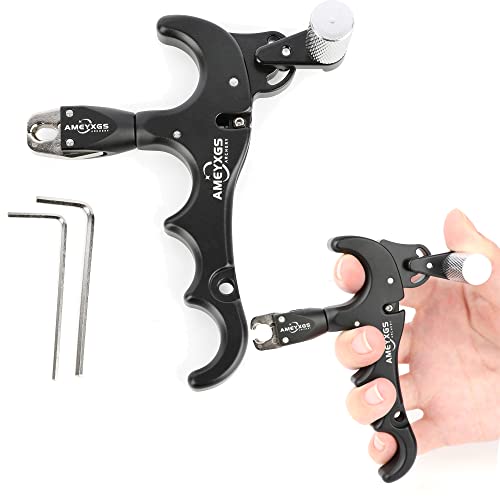
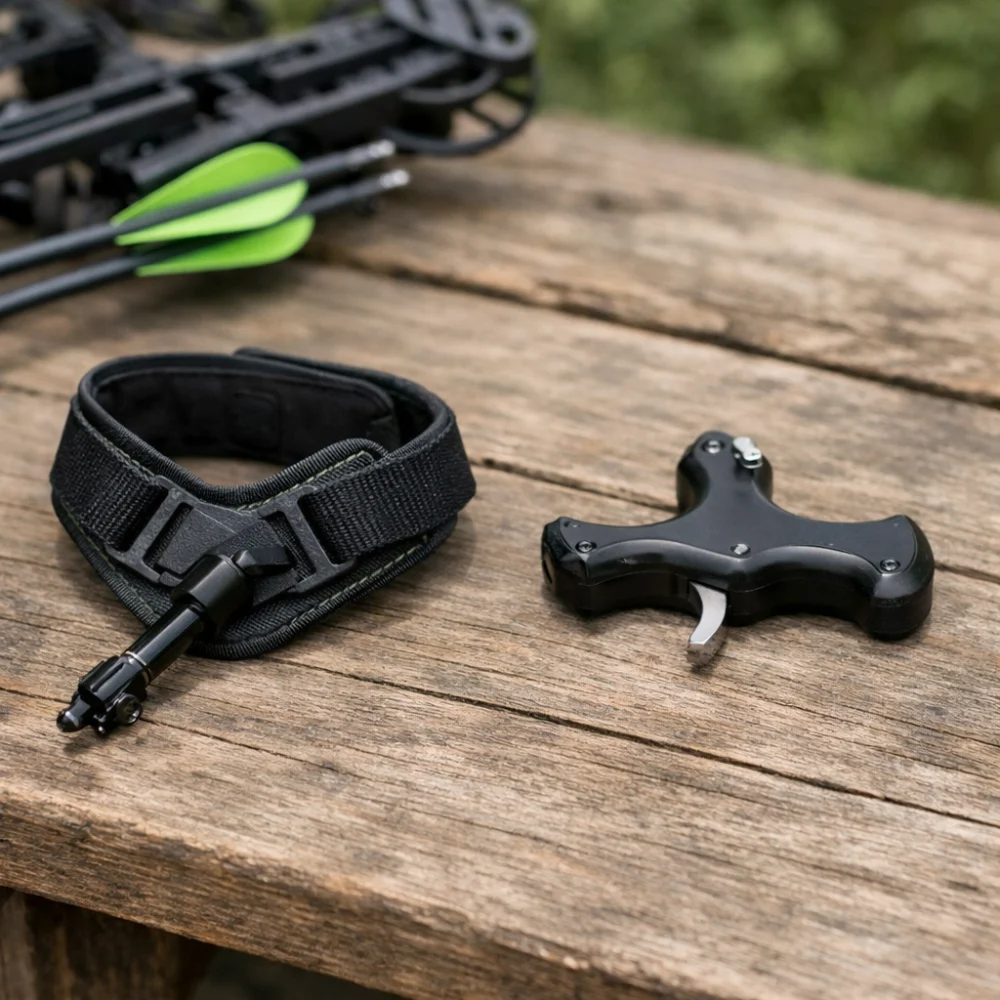
Release styles are the biggest point of difference in this category. Some buyers want a hand-held release because it feels direct and compact, while others prefer a wrist-strap style for added security and easier carrying between shots. The right choice depends on how you anchor, how you draw and whether you want the release to stay attached to you.
Comfort and fit
A release that is awkward in the hand can undermine consistency, even if it looks technically advanced. Pay attention to how the strap, handle or trigger area is shaped and whether it looks suited to your hand size and shooting routine. If a product page gives fit notes, treat those as more useful than general marketing language.
Trigger or activation feel
Some releases are designed to feel crisp and direct, while others give more scope for adjustment or a different style of activation. This matters because the shot feel can affect confidence and repeatability. If you prefer a predictable release, look for clear information about how the trigger or activation mechanism behaves.
Adjustability
Adjustability can be helpful if you are refining your setup or want a release that can be tuned over time. The trade-off is that more adjustment can mean more to learn and compare. If you are a newer buyer, a simpler design may be easier to settle into, while experienced shooters may appreciate the extra control.
Build quality and finish
Construction affects how sturdy the release feels in daily use and how well it may stand up to regular handling. You do not need to assume that a heavier or more complex-looking release is better. It is more useful to compare the materials, the clarity of the product description and any model-specific notes about construction.
Types of bow release
Within bow releases, the most relevant distinction is usually between wrist-strap styles and handheld styles. Wrist-strap releases may suit buyers who want a connected, secure feel and easier carrying during movement. Handheld releases may suit shooters who prefer a more direct feel and a less strapped-in setup.
There are also differences in how the release is activated and how much fine adjustment it offers. A simpler release may be easier for a beginner to understand, while a more adjustable one may suit someone who knows exactly what feel they want. The main limitation of any type is that it only works well if it matches your shooting habit and setup.
Which bow release suits which buyer?
| Buyer need | What to prioritise | Why it helps |
|---|---|---|
| New to archery | Simplicity, comfortable fit and easy handling | Reduces confusion and makes it easier to build consistent habits |
| Wanting more consistency | Predictable activation and a secure feel | Supports repeatable shot execution |
| Refining technique | Adjustability and a design that matches your anchor style | Allows small changes without replacing the whole setup |
| Looking for easier transport between shots | Security, compactness and easy handling | Makes the release simpler to carry and manage during practice |
Common mistakes to avoid
- Choosing by appearance alone. A release should feel right in use, not just look technical.
- Ignoring fit. If the strap or body does not suit your hand and anchor, consistency may suffer.
- Assuming more adjustment always means better performance. Extra settings are only useful if you will actually use them.
- Overlooking intended use. A release that suits one style of shooting may feel less natural in another.
Safety and suitability caveats
A bow release is a control accessory, so suitability matters as much as comfort. Make sure the style is intended for the way you shoot and that you understand any model-specific setup notes before choosing. Do not assume that a release will suit every bow or every archer without checking the product information carefully.
Maintenance, storage and lifespan considerations
Bow releases are usually chosen for long-term use, so it is sensible to think about how they will be stored and handled between sessions. Check whether the design has any straps, moving parts or surfaces that may need occasional cleaning or inspection. If a release depends on small adjustments or wear-prone components, those details are worth noting before you buy.
How to compare bow releases efficiently
- Start with your shooting style and decide whether you want wrist-strap or handheld handling.
- Compare comfort and fit before getting distracted by extra features.
- Check how the release is activated and whether that feel suits your preferences.
- Look at any adjustment options only after the basic style feels right.
- Read the individual product page carefully for the exact model details.
Buyer checklist
- Does the release style match how you shoot?
- Will it feel comfortable in your hand or on your wrist?
- Is the activation feel likely to suit your level of experience?
- Are the adjustment features actually useful for you?
- Does the product page give the fit and construction details you need?
- Have you checked the model-specific information rather than assuming all releases work the same way?
Frequently asked questions
What does a bow release do?
A bow release helps the archer release the string in a controlled way. Buyers usually choose one to improve comfort, consistency or handling compared with using fingers alone. The main point is to pick a style that suits your shooting setup and experience.
Should I choose a wrist-strap or handheld release?
That depends on how you like to shoot. Wrist-strap styles can feel secure and easy to manage, while handheld styles can feel more direct and compact. The better choice is the one that fits your routine and anchor position most naturally.
Are more adjustable releases always better?
Not necessarily. Adjustment can be useful if you want to fine-tune feel over time, but it can also make the buying decision more complicated. If you are unsure, a simpler release may be easier to choose and use confidently.
What should a beginner focus on first?
Comfort, simplicity and a style that matches your shooting method are usually the most useful starting points. A beginner does not need to chase the most complex option. It is often better to choose a release that feels predictable and easy to handle.
Can I use any bow release with any bow?
Not safely or sensibly without checking the product details. Suitability can depend on the bow setup and the way the release connects to the string. Always check the individual product page for compatibility and intended use.
How do I compare two releases that look similar?
Look beyond the shape and compare the way they fit, how they activate and how much adjustment each offers. Similar-looking releases can feel very different in use. The best comparison is often the least visible one: comfort and control in your hand.
What if I am buying a release as a gift?
A gift buyer should focus on a broadly suitable style and avoid guessing about fine preferences. If possible, choose something straightforward and check the recipient’s current setup or shooting style first. A simple, well-chosen release is usually more useful than a highly specific one.
Attachment style and activation are separate choices
Wrist-strap versus handheld describes how a release is held or attached; it does not, by itself, tell you how the release activates. For example, releases may use an index-finger trigger, a thumb button or a rotation- or tension-based mechanism. These are different ways to control the release, so compare them separately from fit and carrying preference.
Trigger-operated styles may feel more familiar to buyers looking for a defined activation point, while other mechanisms may require a different technique and instruction. Neither approach is automatically better. Before choosing, check the product description for its activation type and whether it suits your experience and intended use; if you are uncertain, ask a qualified archery coach to help you assess suitability.
More Bow Releases
See all 54 Bow Releases →


As an Amazon Associate we earn from qualifying purchases.