


Children’s base layer sets are a practical way to add a warm first layer under school uniform, outdoor clothing or sportswear. The right choice depends less on brand names and more on fit, fabric feel, breathability and how the set will be used.
Because children grow quickly and comfort matters, it helps to compare sets by warmth, stretch, ease of movement and how simple they are to wash and wear. A set that works for one child’s active weekend may not be the best choice for everyday winter layering.
If you are choosing between a set, separate top and bottoms, or a warmer thermal option, this guide will help you narrow down what matters most.
Compare Children's Base Layer Sets



As an Amazon Associate we earn from qualifying purchases.
What matters most when choosing children’s base layer sets?
The best starting point is the child’s main use: cold-weather layering, sport, outdoor play or general comfort. From there, focus on fit, fabric, warmth and how the set feels against the skin. The main trade-off is usually between extra warmth and extra breathability, especially for active children. Specifications vary by model, so always check the individual product page before buying.
| Feature | What it means | Why it matters | What to check |
|---|---|---|---|
| Fit | How closely the set sits to the body | A snug layer can sit comfortably under other clothing and move with the child | Age range, size guide, stretch and whether the cut is described as close-fitting |
| Fabric feel | How soft, smooth or textured the material is | Comfort affects whether a child will actually wear the set | Material description and any notes about softness, ribbing or compression |
| Warmth level | How much insulation the set is likely to provide | Warmer sets suit colder days, while lighter sets may be better indoors or for active use | Product description, intended use and layering advice |
| Breathability | How well the fabric allows moisture to move away | Useful for sport or energetic play, where overheating can be an issue | Any mention of moisture management or performance wear |
| Stretch and movement | How easily the top and bottoms move with the body | Children need freedom to bend, run and play without the layer feeling restrictive | Stretch fabric, elasticated waist and fit notes |
| Care | How simple the set is to wash and reuse | Frequent washing is common with children’s clothing | Washing instructions and whether the fabric is easy-care |
Key decision criteria explained
Fit and sizing
A base layer works best when it sits close to the body without feeling tight or awkward. Too loose and it may bunch under other clothes; too tight and it can feel uncomfortable during play or movement. Check the sizing guidance carefully, especially if the child is between sizes or still growing.
Fabric and comfort
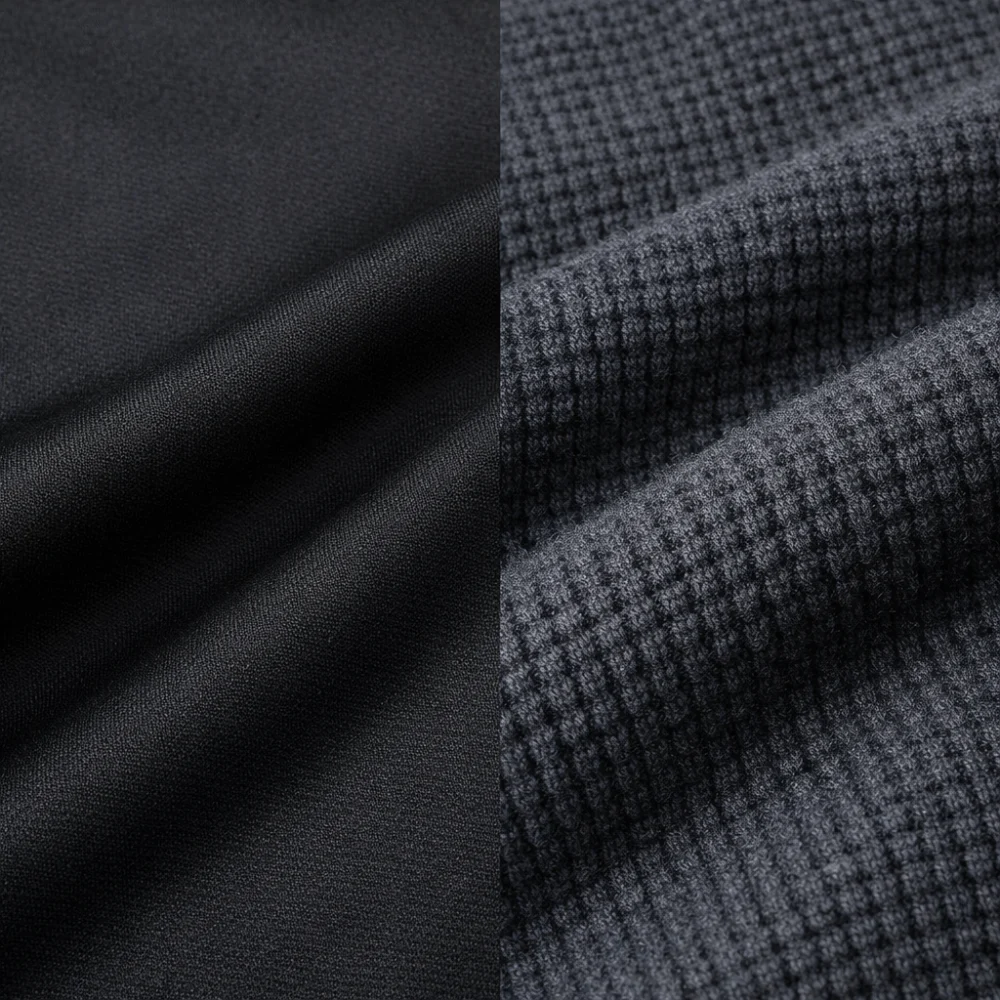
Different sets can feel very different even when they look similar. Some are designed for a smoother, stretchier feel, while others may be softer or more cotton-like. Comfort matters because children are far more likely to wear a layer they do not notice than one that feels itchy, stiff or overly warm.
Warmth versus breathability
Some children need a layer mainly for sitting still in cold weather, while others need something that can cope with energetic movement. A warmer set can be helpful for colder conditions, but it may feel too warm during active play. A lighter, more breathable option may be a better compromise for mixed use.
Movement and layering
Children’s base layers are usually chosen to sit under other clothing, so bulk can matter as much as warmth. A set that is too thick may make outer layers feel tight, especially around the shoulders, knees or waist. Look for a design that allows bending, stretching and running without tugging.
Care and repeat use
Most families need base layers that are easy to wash and ready to wear again soon after. If a set will be used for sport or daily winter wear, easy care can matter more than an extra feature that is rarely noticed. Check the washing guidance and think about how often the set will need cleaning.
Product types and variants within the category
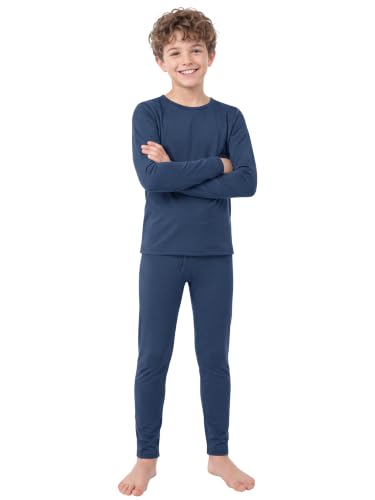
Children’s base layer sets are usually bought as a matching top and bottoms pair, which is convenient when you want a simple starting point. Some sets are designed more for general warmth, while others are cut closer to the body and may be better suited to active wear. The right choice depends on whether comfort, warmth or movement is the priority.
Within this category, the main variation is often in fabric feel and intended use rather than in complicated technical features. That makes it sensible to compare each set on the basics first: fit, warmth, stretch and care. If a child already has a favourite top or pair of leggings, separate base layer tops or bottoms may sometimes be more flexible, but a set can still be the simplest option for a complete first layer.
Which set suits which kind of buyer?
| Buyer need | What to prioritise | What may be less important |
|---|---|---|
| Everyday winter layering | Comfort, easy fit and simple care | Highly technical performance features |
| Outdoor play and school runs | Warmth, movement and a fit that layers cleanly | Specialist sport-focused details |
| Active sport or high-energy use | Breathability, stretch and a close fit | Extra bulk or very heavy fabric |
| Gift buying | Broad sizing guidance and versatile use | Very specific performance claims |
| Growing children | Clear size information and enough room for comfortable wear | A super-precise close fit if the child is between sizes |
Common mistakes to avoid
- Choosing only by age label and ignoring the size guide. Children’s sizing can vary, so a quick check helps avoid returns.
- Buying a set that is warmer than the child needs. A layer that feels too hot is less likely to be worn.
- Assuming all base layers feel the same. Fabric texture and stretch can make a big difference to comfort.
- Picking a tight fit for a growing child without checking the room available. A slightly more forgiving fit may be more practical.
- Overlooking care instructions. If a set needs more careful washing, that may matter if it will be used often.
Safety and suitability checks
Base layer sets are generally straightforward clothing items, but suitability still matters. Make sure the set matches the child’s intended activity, the weather and any comfort preferences they already have. If a child has sensitive skin, fabric feel becomes especially important, and it is worth checking the material description closely.
For active use, a close fit may work better under outer layers, but it should still allow free movement. If the set is for a gift, broad usability is often more helpful than a very specialised design.
Maintenance, storage and lifespan considerations
Children’s base layers are often washed frequently, so durability in everyday care is part of the buying decision. Look for fabrics and construction that suit repeated wear and washing, especially if the set will be used through a full season. Keeping the set dry, folded and stored with other seasonal clothing can make it easier to reuse when the weather turns colder again.
If the child is growing quickly, the practical lifespan may be limited more by size than by wear. That makes it sensible to choose a set that balances comfort, value and enough room for regular use without being oversized.
How to compare options efficiently
- Decide when the set will be used most often: everyday wear, outdoor play or sport.
- Choose the kind of fit that suits that use, from relaxed comfort to closer layering.
- Compare the fabric feel, warmth and stretch rather than relying on the name of the product alone.
- Check the size guide, care instructions and any notes about intended use.
- Pick the option that matches the child’s routine, not just the warmest-looking choice.
Summary buyer decision checklist
- Is this for everyday wear, outdoor use or active sport?
- Does the fit look right for the child’s size and growth?
- Will the fabric feel comfortable for long periods?
- Is the warmth level suitable for the planned use?
- Will the set layer easily under other clothing?
- Are the care instructions practical for frequent washing?
- Have you checked the individual product page for size and material details?
Frequently asked questions
What is the main advantage of buying a base layer set instead of separate pieces?
A set gives you a matched top and bottoms combination, which is convenient when you want a simple first layer. It can also make choosing easier if you are buying for a child and want one straightforward option rather than comparing two separate items.
Are children’s base layer sets only for winter?
They are most often chosen for colder weather, but some are also useful for outdoor activities, sport and layering on cooler days. The right choice depends on how warm or breathable the fabric feels and how active the child will be.
Should a base layer be tight or loose?
Usually it should sit fairly close to the body without feeling restrictive. A very loose fit can bunch under other clothes, while an overly tight fit can be uncomfortable and may limit movement.
How do I choose the right size if my child is between sizes?
Check the size guide on the individual product page and think about how the set will be worn. If the child is between sizes, comfort and layering room may matter more than a very exact close fit.
What fabric features matter most for active children?
Stretch, breathability and comfort tend to be the most useful starting points. A child who runs, plays or does sport may prefer a set that moves easily and does not feel too warm.
Can a base layer set replace pyjamas or regular clothing?
Sometimes it may be comfortable enough for indoor wear, but that depends on the fabric and the child’s preference. It is best to treat it as a layering garment first and check whether the set feels suitable for the intended use.
What should I check before buying for a gift?
Look for broad sizing guidance, comfortable fabric and a style that can work in different situations. A versatile set is usually easier to gift than one designed for a very narrow type of activity.
Check whether both pieces suit the child’s proportions
A set may offer less flexibility if the child needs different sizes in tops and bottoms. Check whether the product page lets you choose sizes for each piece separately; if it does not, compare the set’s fit guidance with the child’s measurements and consider separate pieces if one part is unlikely to fit comfortably.
More Children's Base Layer Sets
See all 316 Children's Base Layer Sets →


As an Amazon Associate we earn from qualifying purchases.