


Children’s hunting, shooting and fishing fleeces are usually chosen as warm, comfortable mid-layers for time outdoors. They are often bought for cool-weather walks, countryside days out and active use where a child needs insulation without feeling bulky.
This guide focuses on how to compare fleeces within the category, rather than on one specific product. The main questions are usually about warmth, fit, freedom of movement and how easily the fleece layers with other clothing.
Because children grow quickly and outdoor conditions can change, the most useful choice is rarely the thickest or most technical option. It is usually the one that fits well, layers neatly and suits the way the child will actually wear it.
Compare Children's Hunting, Shooting & Fishing Fleeces


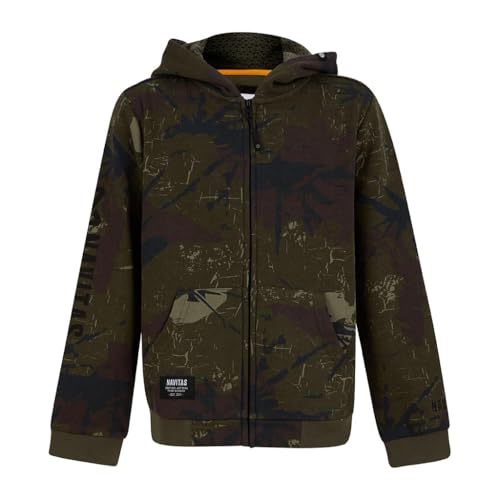
As an Amazon Associate we earn from qualifying purchases.
What should you look for in a children’s outdoor fleece?
The best starting point is the intended use. A fleece for general layering may prioritise softness and easy wear, while one for colder, more exposed conditions may need a closer fit and better coverage. The main trade-off is between warmth and flexibility: a heavier fleece can feel cosier, but it may be less comfortable under a jacket or when a child is moving a lot.
Specifications vary by model, so always check the individual product page before buying.
| Feature | What it means | Why it matters | What to check |
|---|---|---|---|
| Fit | How the fleece sits on the body | A good fit helps with comfort and layering | Check the size guide and whether there is room for a layer underneath |
| Warmth | How much insulation the fleece is likely to provide | Controls how suitable it is for cool or cold weather | Look at fabric description, thickness and intended use |
| Breathability | How well it lets heat and moisture escape | Helps during active outdoor use | Consider whether the child will be walking, standing still or both |
| Layering | How easily it works under a coat or over another top | Important for changing weather | Check bulk, collar shape and overall cut |
| Fastening details | Zips, neck openings or other closure features | Affects ease of dressing and comfort | Look for simple features the child can manage comfortably |
Key decision criteria
Fit and growing room
Children’s clothing often needs to balance immediate comfort with a little room for growth. A fleece that is too tight can restrict movement and feel awkward under other layers, while one that is too large may ride up or feel bulky. If the fleece will be worn mainly as a mid-layer, a neater fit is often more useful than an oversized cut.
Warmth versus bulk
Fleeces vary in how insulating they feel, but thicker does not always mean better. A heavier fleece may be ideal for sitting still in cooler conditions, while a lighter one can be more practical for active use or for wearing indoors and out. Think about whether the child needs a stand-alone top, a layering piece or something that does both reasonably well.
Comfort against the skin
Some children are happy with a simple fleece, while others are more sensitive to seams, collars or textured linings. A soft feel and uncomplicated design can matter more than specialist details. If the fleece will be worn for long periods, comfort is often the feature that determines whether it gets used.
Ease of layering
A good outdoor fleece should work with the rest of the outfit, not fight it. Check whether the collar sits comfortably under a jacket and whether the sleeves allow easy movement. If the fleece is intended for colder days, it should add warmth without making the child feel restricted.
Common fleece types and how they differ
Within this category, the main differences are usually about weight, cut and how the fleece is intended to be worn.
- Lightweight fleeces suit mild conditions and active use, but may not provide enough warmth on their own in colder weather.
- Midweight fleeces are a versatile choice for general layering and everyday outdoor wear.
- Heavier fleeces can feel warmer and more substantial, but may be less compact under outerwear.
- Simple pull-on styles are often straightforward and easy to wear, while zipped styles can be easier to adjust.
The right type depends less on the label and more on how the child will use it most often.
Choosing by buyer need
| Buyer need | What to prioritise | What to avoid overlooking |
|---|---|---|
| Everyday outdoor wear | Comfort, easy care and a flexible fit | Whether it layers comfortably with normal clothing |
| Cold-weather layering | Warmth and a cut that works under a coat | Bulk around the shoulders and arms |
| Active use | Freedom of movement and breathability | Overly heavy or restrictive designs |
| Growing children | Size guidance and a little room to move | Excessive looseness that affects comfort |
| Gift buying | Broadly useful fit and straightforward styling | Choosing too specific a layer for one season only |
Common mistakes to avoid
- Choosing warmth without thinking about layering. A fleece that feels ideal on its own may be too bulky under outerwear.
- Assuming all children’s sizes fit the same way. Size guides and cut can vary, so the listed size range matters.
- Ignoring how active the child will be. A very warm fleece can be less comfortable if the child is moving a lot.
- Overlooking comfort details. A simple collar or softer finish may matter more than extra features.
Safety and suitability caveats
For outdoor use, it helps to think in terms of comfort, weather conditions and supervision rather than guarantees. A fleece is only one part of a child’s clothing system, and suitability depends on the rest of the outfit and the environment. If a child will be outdoors for long periods, check that the fleece works well with suitable outer layers and does not restrict movement.
Care, storage and practical ownership
Most fleeces are bought because they are easy to wear, but day-to-day care still affects value. Consider whether the garment is likely to be washed often, how quickly it may be needed again and whether it will be packed away between uses. A fleece that is easy to keep clean and simple to store is often more convenient for family use than one that needs careful handling.
How to compare options efficiently
- Start with the main use: everyday wear, layering or colder outdoor conditions.
- Choose the type of fleece that suits that use without adding unnecessary bulk.
- Compare fit, warmth, comfort and layering practicality side by side.
- Check the product page for size guidance and any model-specific details.
- Choose the option that matches how the child will actually wear it most often.
Summary buyer decision checklist
- Is the fleece being bought mainly for layering or as a standalone top?
- Does the fit leave enough room for comfort without feeling too loose?
- Will the warmth level suit the expected weather and activity level?
- Does the design look easy for the child to wear and move in?
- Have you checked the individual product page for the size and fabric details?
Frequently asked questions
What is a children’s outdoor fleece mainly for?
It is usually bought as a warm, comfortable layer for cooler weather. In this category, the most useful fleeces are often the ones that work well under a jacket or on their own in milder conditions. The right choice depends on how active the child will be and how cold it is likely to get.
Should I buy a thicker fleece for more warmth?
Not always. A thicker fleece may feel warmer, but it can also be bulkier and less comfortable under other layers. If the child will be active or layering up, a lighter or midweight fleece may be more practical.
How important is the fit for a child’s fleece?
Fit matters a great deal because it affects comfort, movement and layering. A fleece that is too tight can feel restrictive, while one that is too large may be awkward to wear. A little room can help, but excessive looseness usually reduces comfort.
Can a fleece be used on its own?
Yes, many children’s fleeces can be worn as a standalone top in mild weather. In colder or wetter conditions, they are often more useful as part of a layering system. The suitability depends on the weight of the fleece and the conditions it is being used in.
What should I check before buying online?
Focus on the size guide, the intended use and any details about fit or fastening. It also helps to look at whether the fleece seems suitable for layering, since that is often the main reason for buying one. Specifications vary by model, so always check the individual product page before buying.
Are children’s fleeces mainly for one season?
Not necessarily. A versatile fleece can be used across several cooler months and may work in different conditions depending on what it is layered with. The most flexible choices are usually those that are comfortable, easy to layer and not overly specialised.
Children's Hunting, Shooting & Fishing Fleeces
More Children's Hunting, Shooting & Fishing Fleeces
See all 27 Children's Hunting, Shooting & Fishing Fleeces →


As an Amazon Associate we earn from qualifying purchases.